 English
 Español
  Português
  русский
  Français
  日本語
日本語  Deutsch
  tiếng Việt
  Italiano
  Pilipino
  Türkçe
  Gaeilge
  العربية
  český
český  ภาษาไทย
  한국어
한국어  Malay
Malay  বাংলা ভাষার
  Dansk
Dansk  Suomi
Suomi 
Home
>
Products > Stamping Part
> Electronic Stamping Parts
>
Circuit Breaker Connection Terminal Block
Products


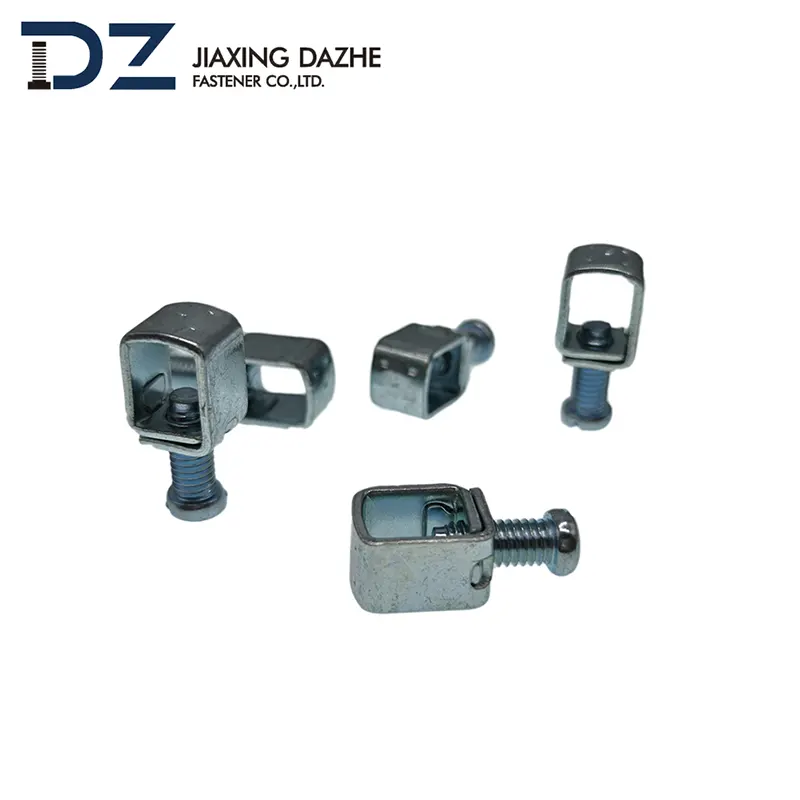
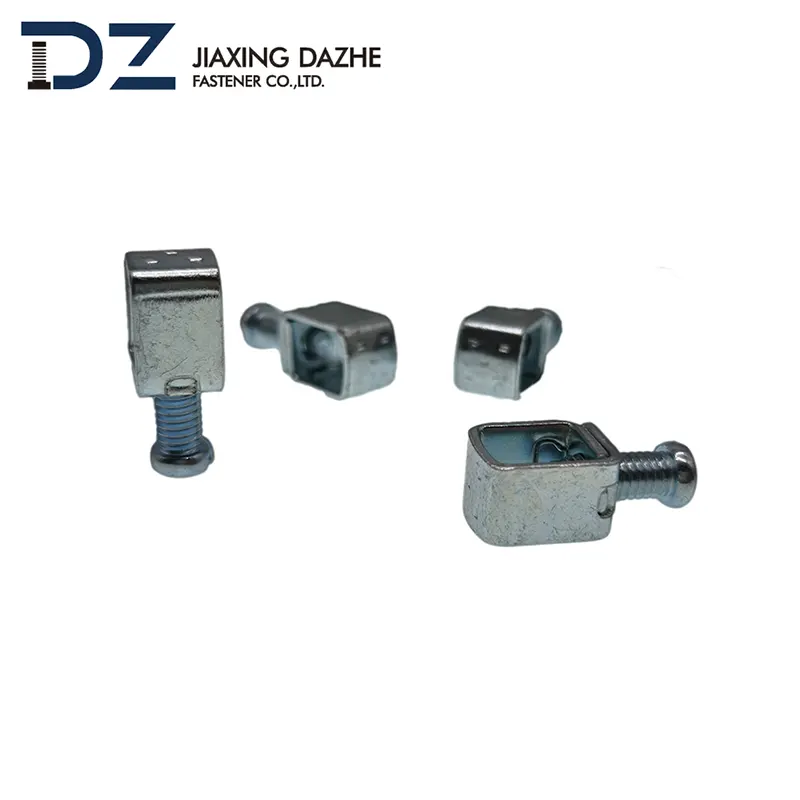
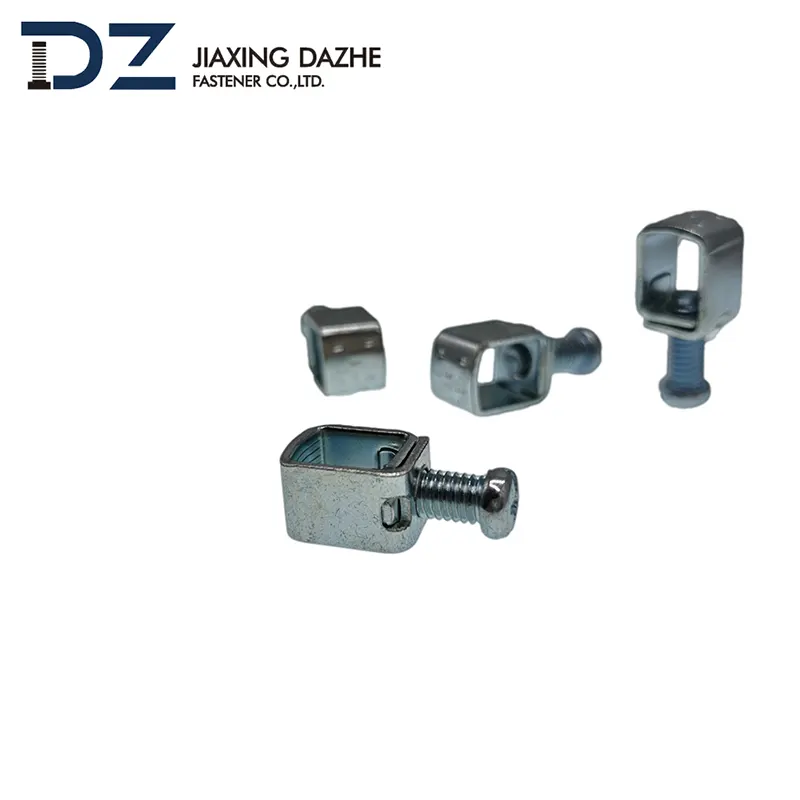
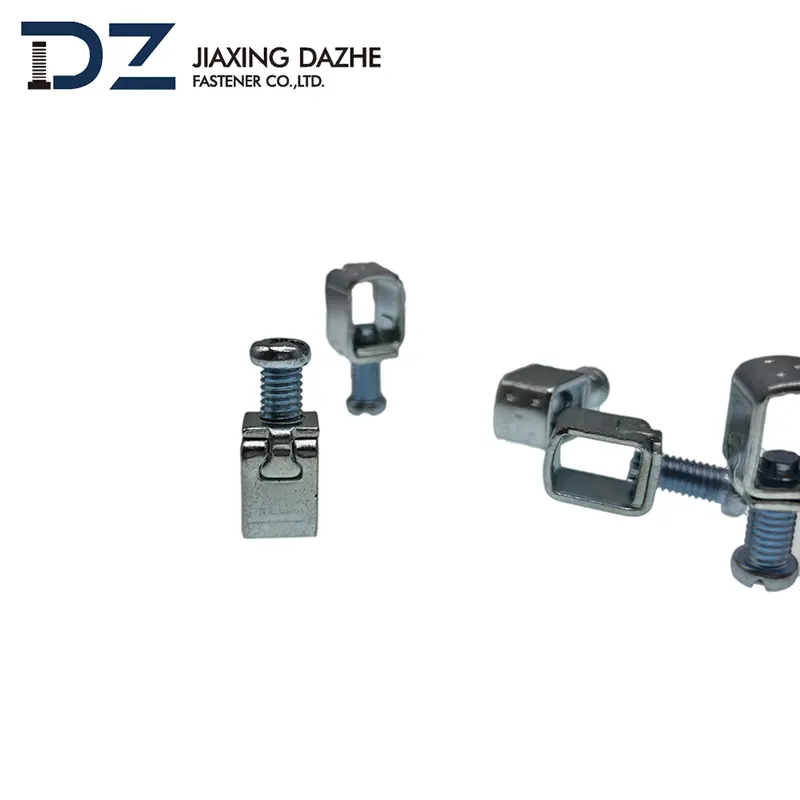
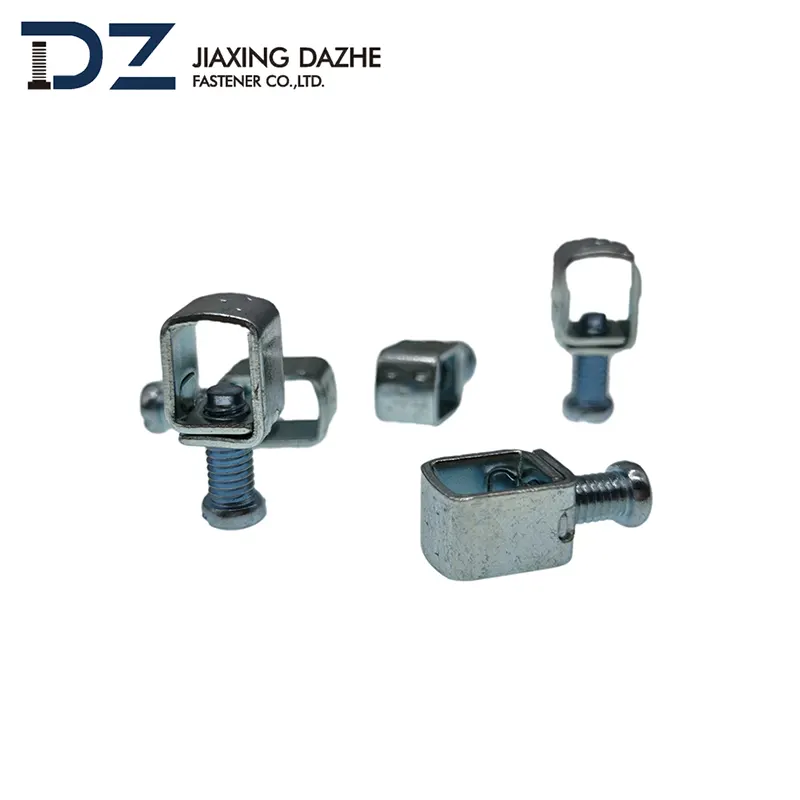
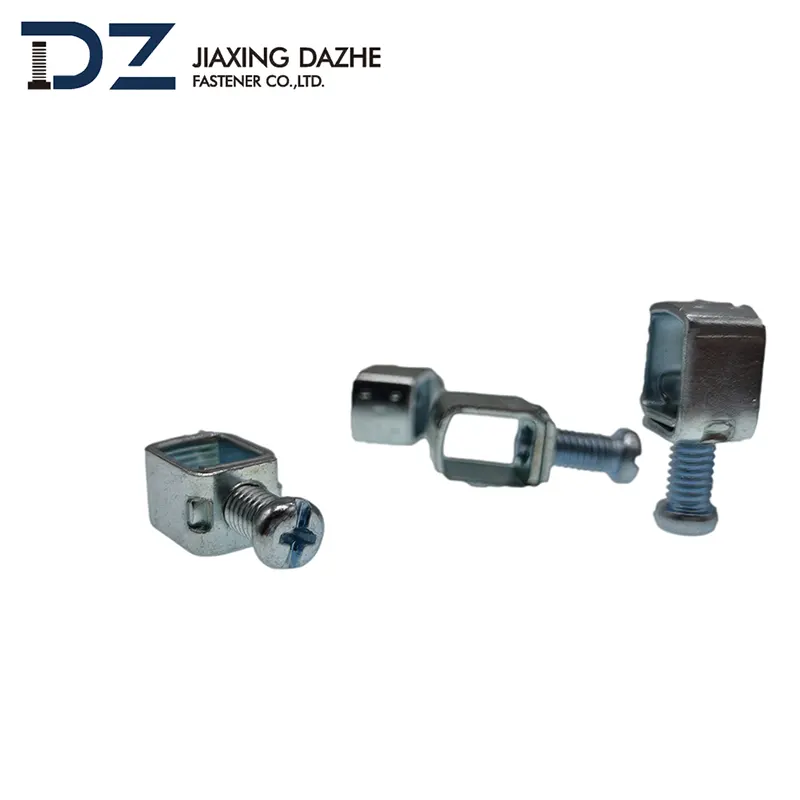
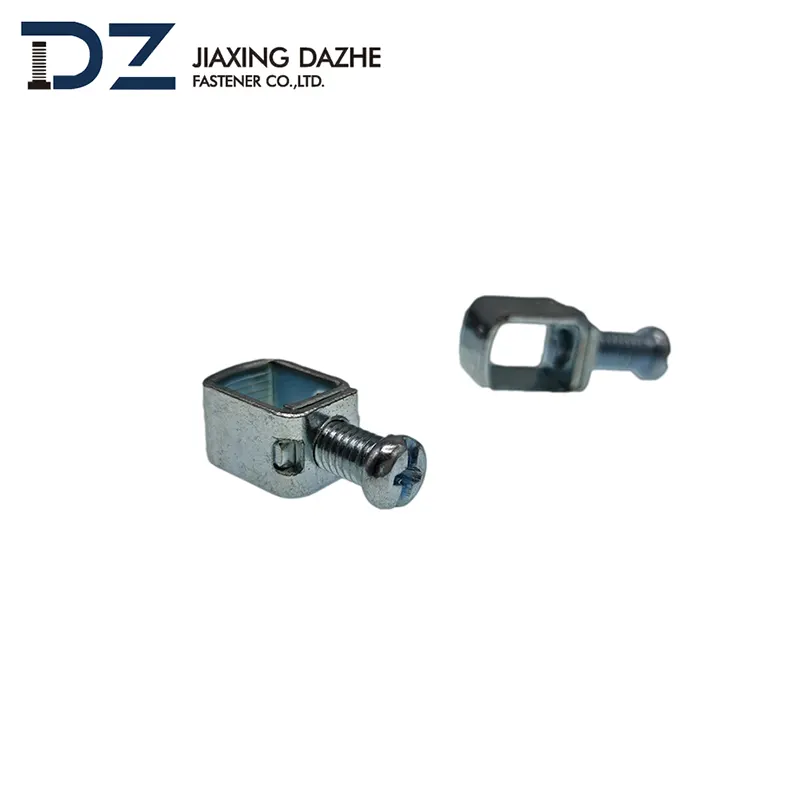
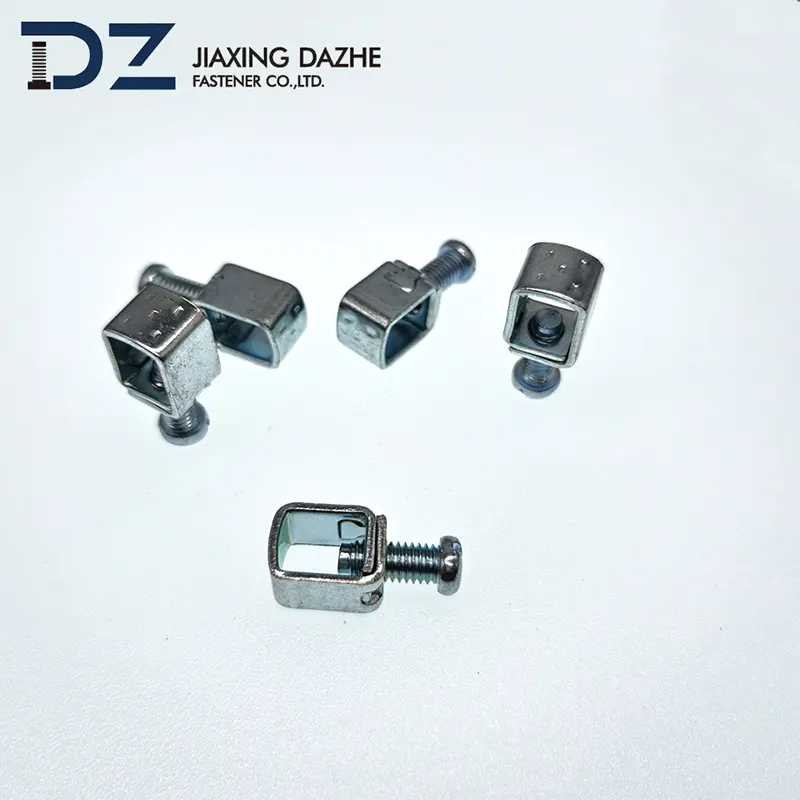
Circuit Breaker Connection Terminal Block
Dazhe fastener is a manufacturer and supplier specializing in Circuit Breaker Connection Terminal Block, located in Jiaxing, China. We've been doing this since 2010, so it's been over 15 years now.Our experienced precision investment casting team is dedicated to providing customers with first-class precision investment casting and product processing services.Welcome to contact us!
Send Inquiry
Product Description
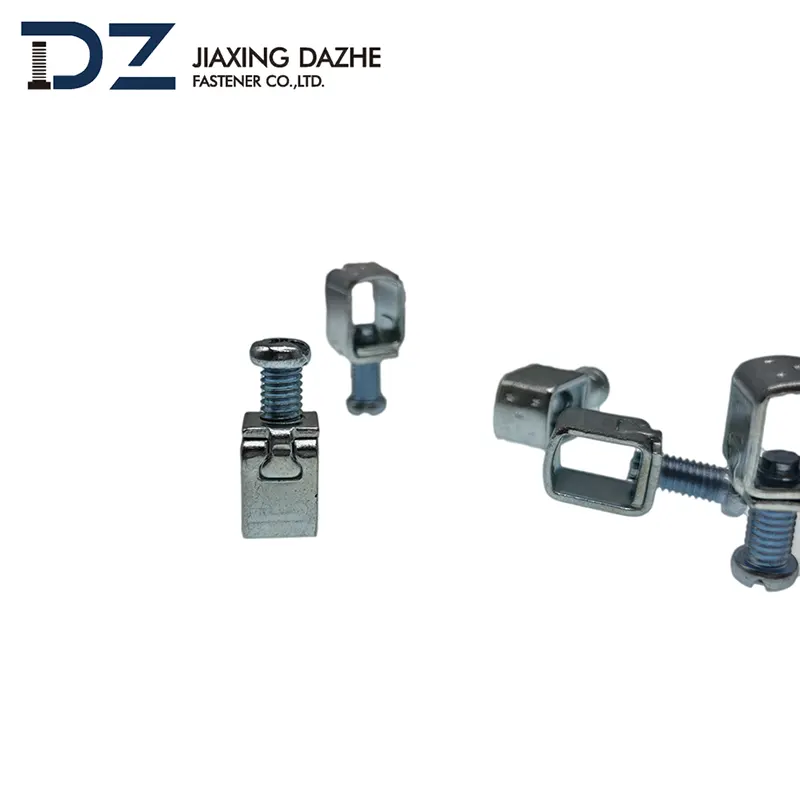
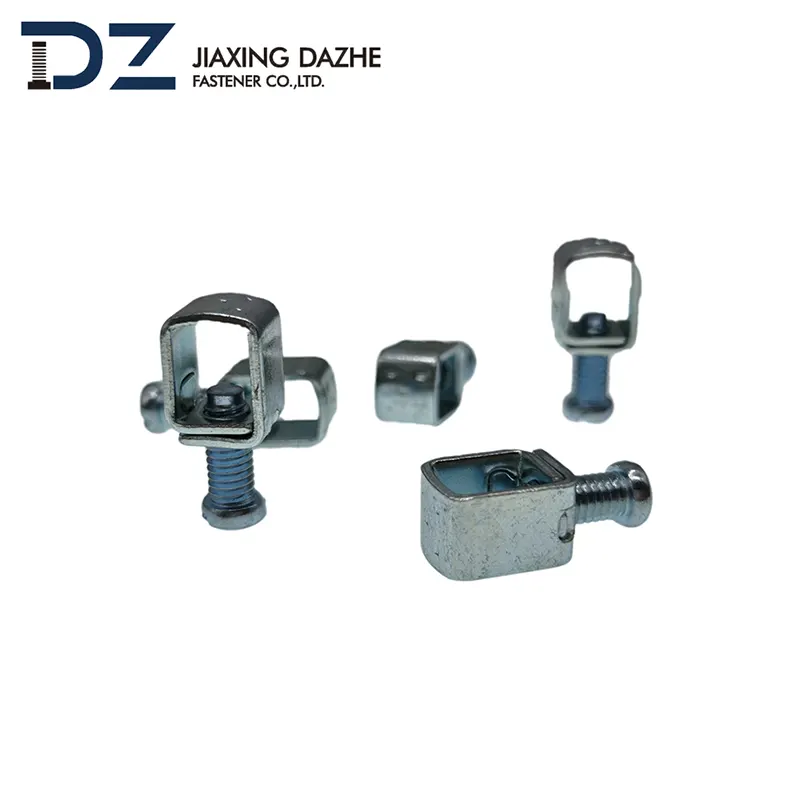
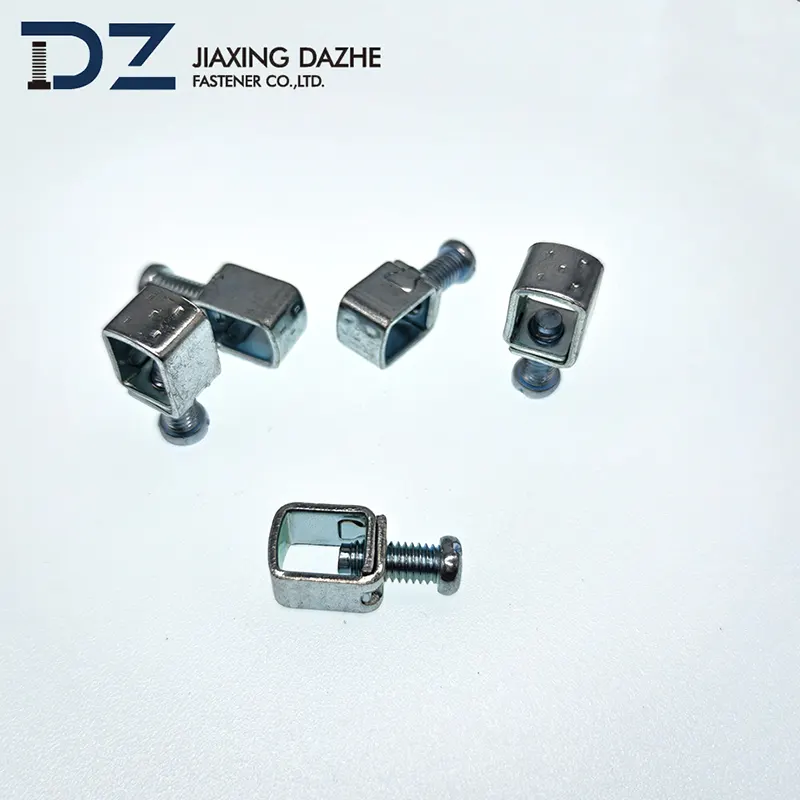
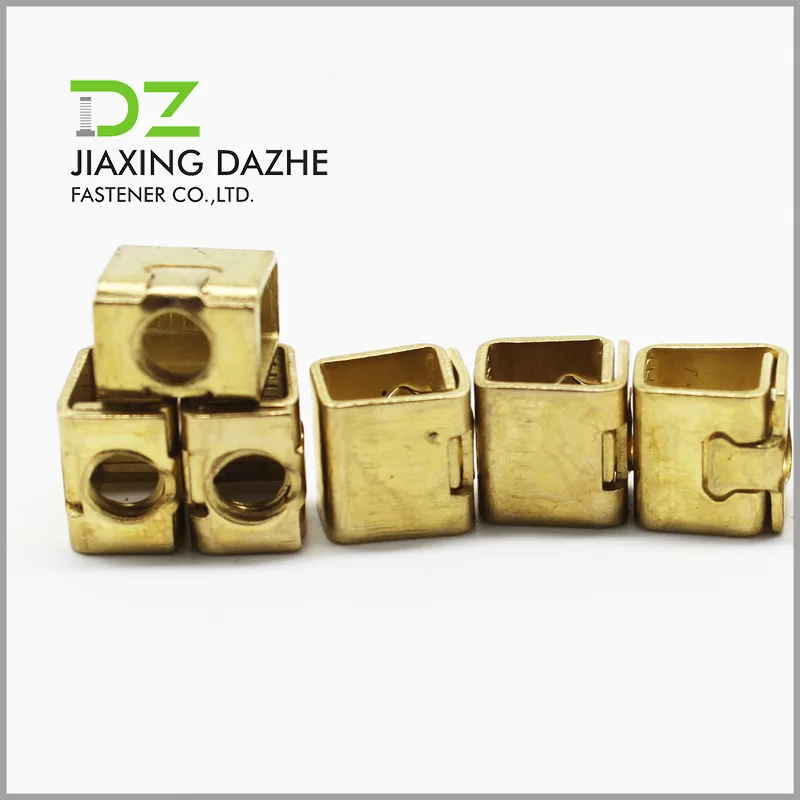
These are terminal clamps (wire clamps/terminal blocks) for circuit breakers/MCBs, core components of low-voltage electrical devices, mainly used for connecting and securing conductors in miniature circuit breakers (MCBs), air switches, residual current circuit breakers (RCCBs), and other similar equipment.
Core Features of Circuit Breaker Connection Terminal Block
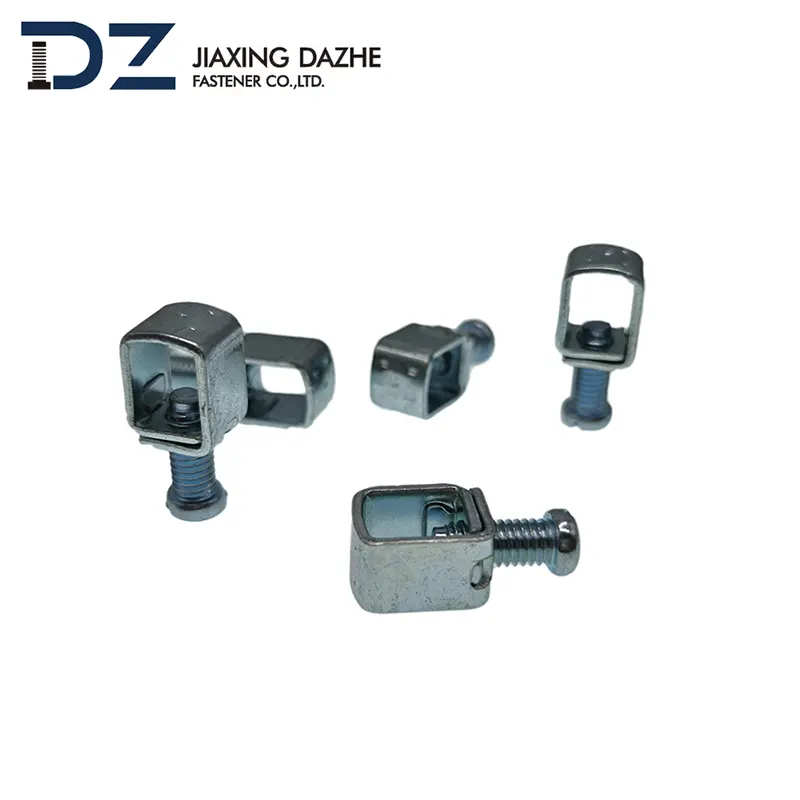
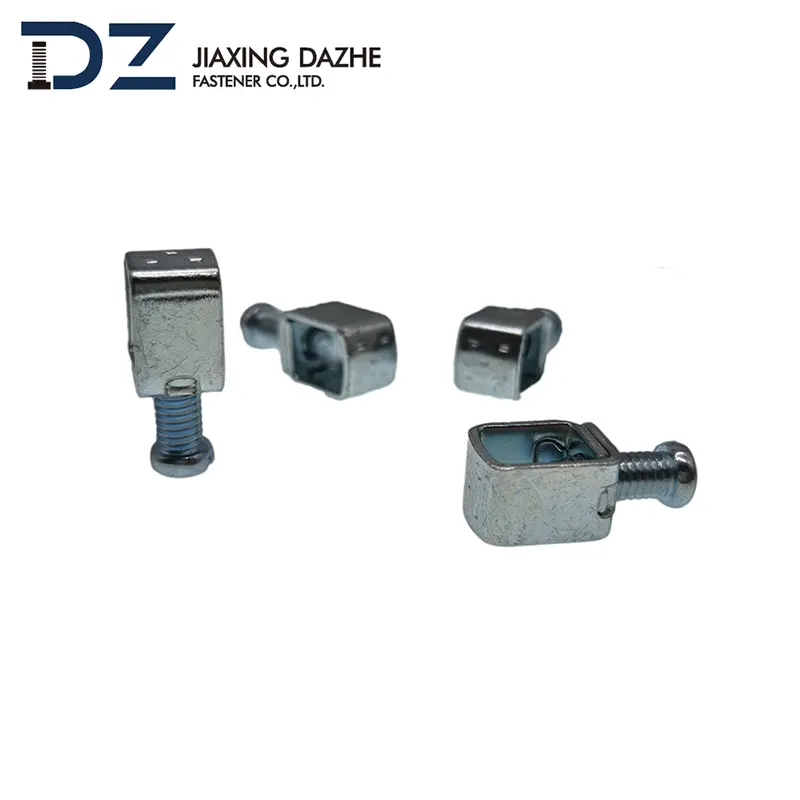
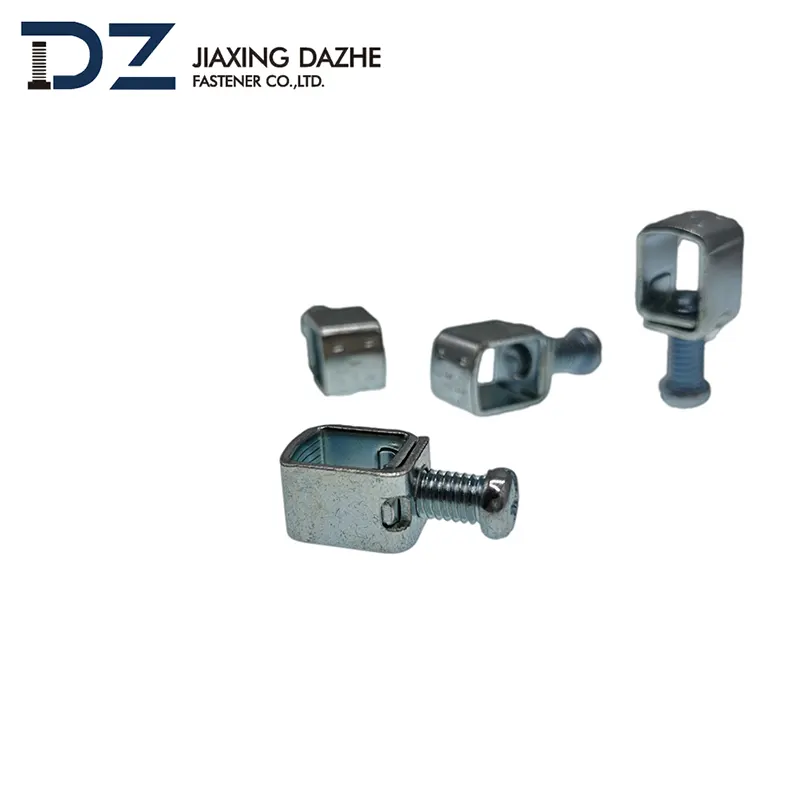
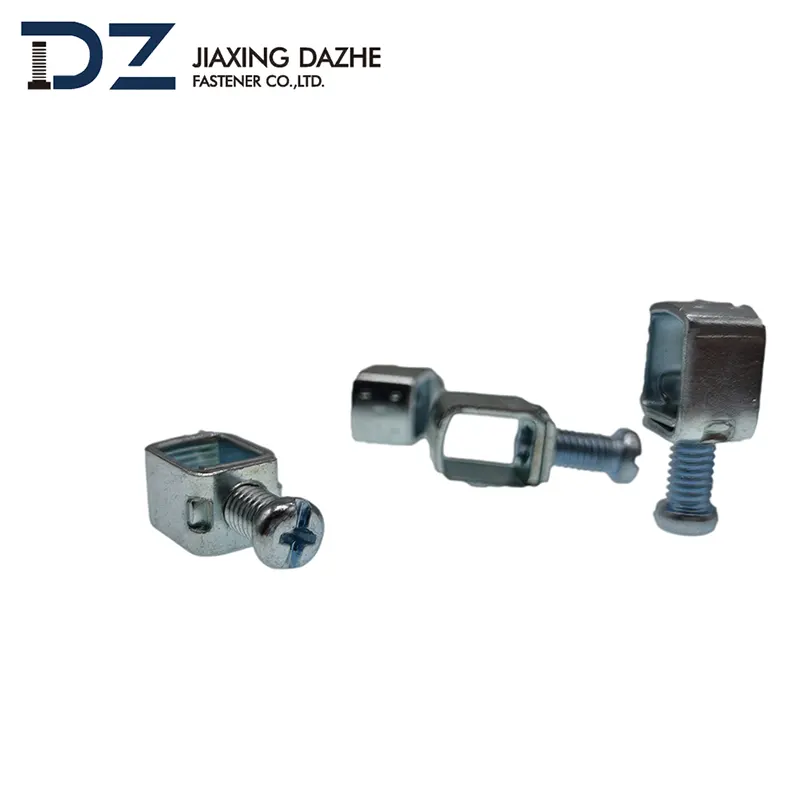
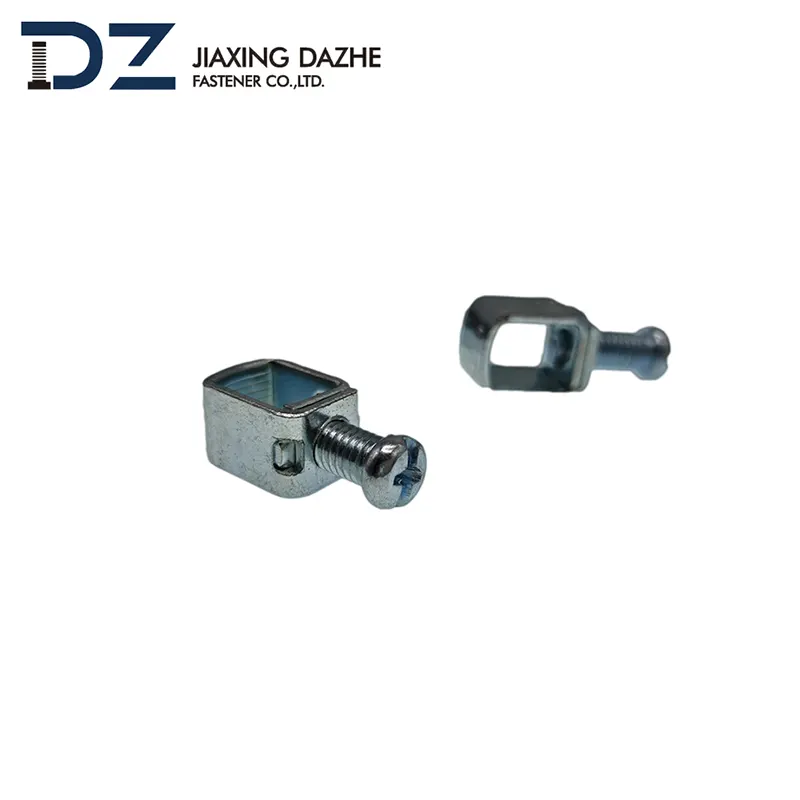
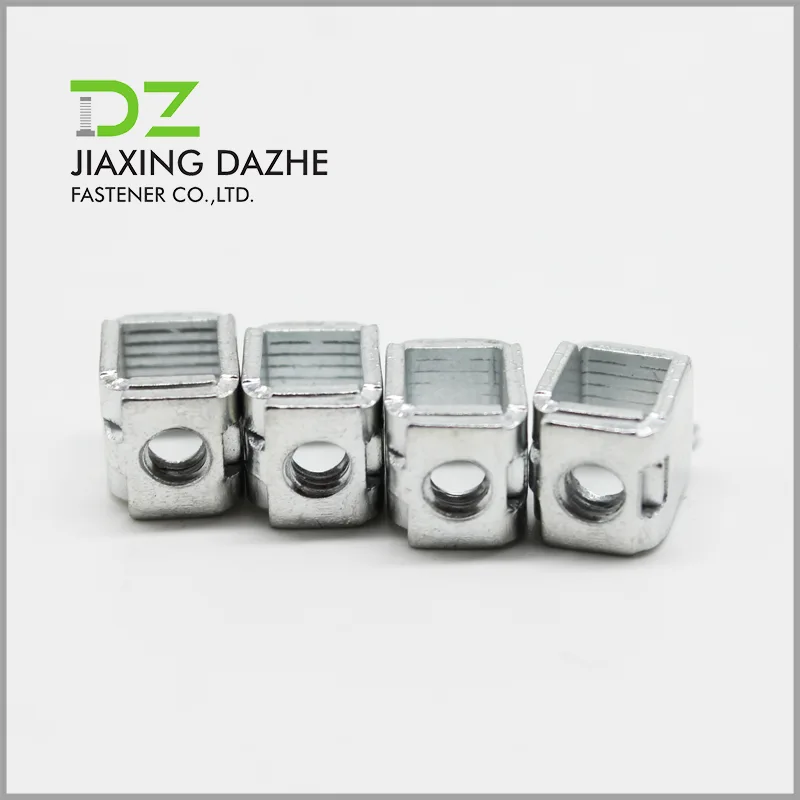
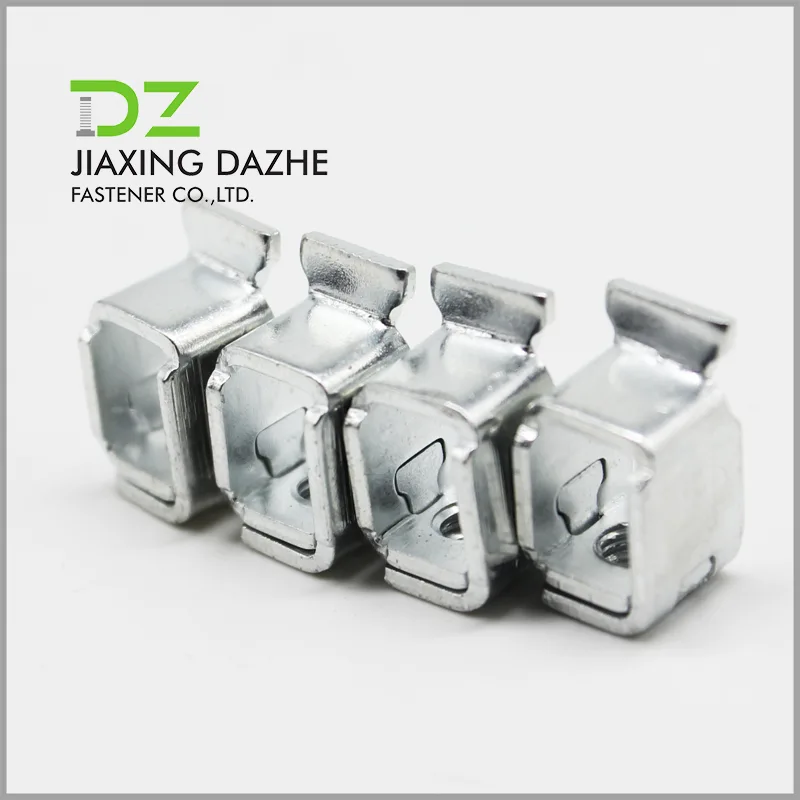
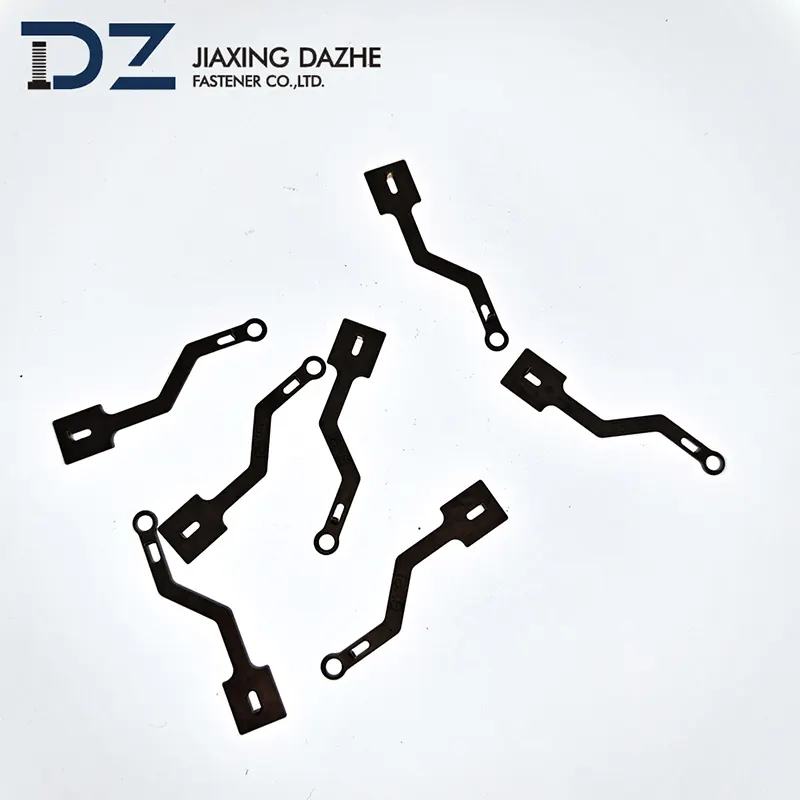
• Structure: Composed of a stamped metal frame (usually mild steel or brass) and a matching screw (mostly M4/M5/M7 specifications, zinc-plated/nickel-plated surface). Some models incorporate spring clips to enhance clamping force.
• Appearance: The frame is typically square/rectangular with an open end; the screw head is pan-head or countersunk with a cross slot. The whole part is treated with blue-white zinc or color zinc plating for rust prevention.
• Specification Differences: Different models correspond to various current ratings (e.g., C45/DZ47 series for 10A~63A, NC series for 100A), with frame dimensions and screw specifications varying according to current-carrying capacity.
Main Applications of Circuit Breaker Connection Terminal Block
1. Electrical Connection: Reliably crimp copper/aluminum conductors to the circuit breaker terminals for stable current transmission.
2. Anti-loosening & Anti-slip: The frame structure, combined with the screw, effectively prevents conductors from loosening under vibration or thermal expansion/contraction.
4.Strong Compatibility: Compatible with stranded soft wires and solid hard wires; some models support parallel connection of multiple conductors.
Application Scenarios of Circuit Breaker Connection Terminal Block
• Residential/industrial power distribution systems: Miniature circuit breakers, residual current circuit breakers, air switches.
• Distribution boxes/panels: Auxiliary connections for terminal blocks and busbars.
• Electrical equipment: Motor control, lighting control, and other low-voltage devices.
Additional Notes
• Material & Process: Mainstream products are made of cold-rolled steel stamping plus electroplating. High-end models use brass or stainless steel to improve conductivity and corrosion resistance.
Hot Tags: Circuit Breaker Connection Terminal Block
Related Categories
Send Inquiry
Please feel free to fill your inquiry in the form below. We will reply you in 24 hours.
X
We use cookies to offer you a better browsing experience, analyze site traffic and personalize content. By using this site, you agree to our use of cookies.
Privacy Policy