 English
 Español
  Português
  русский
  Français
  日本語
日本語  Deutsch
  tiếng Việt
  Italiano
  Pilipino
  Türkçe
  Gaeilge
  العربية
  český
český  ภาษาไทย
  한국어
한국어  Malay
Malay  বাংলা ভাষার
  Dansk
Dansk  Suomi
Suomi 
Products


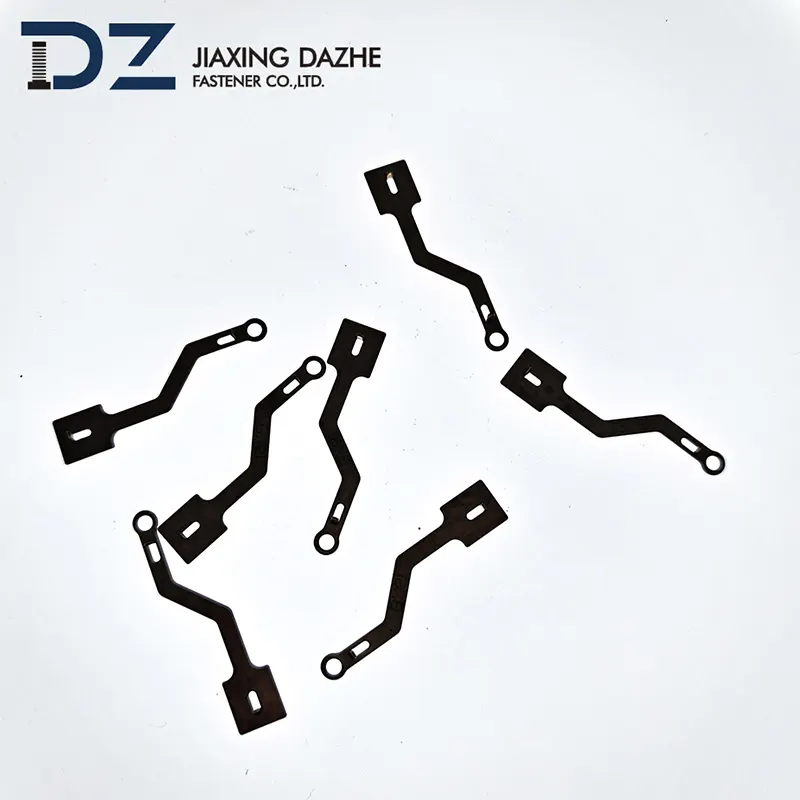
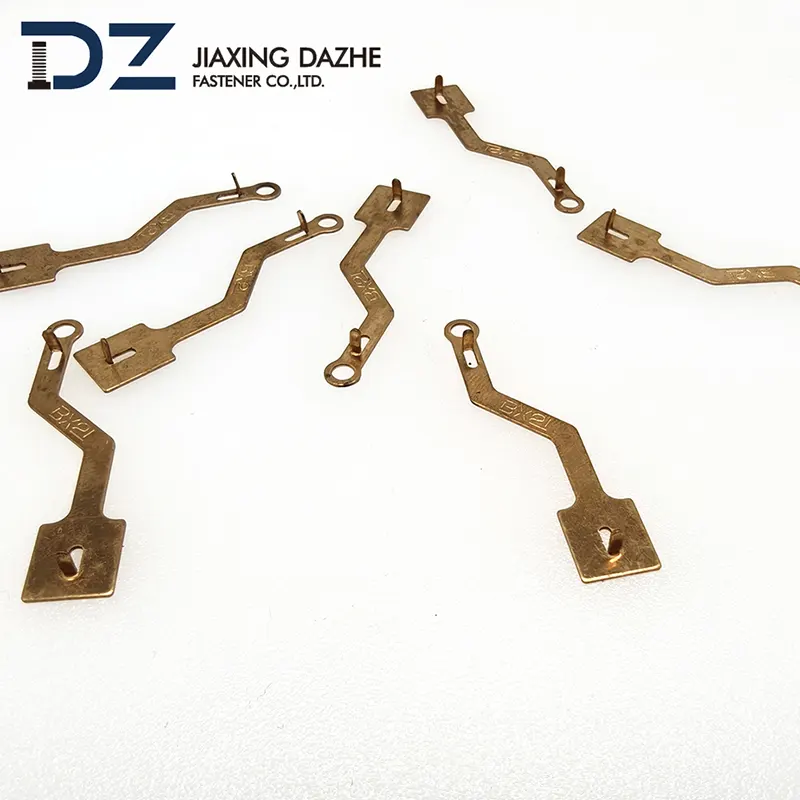
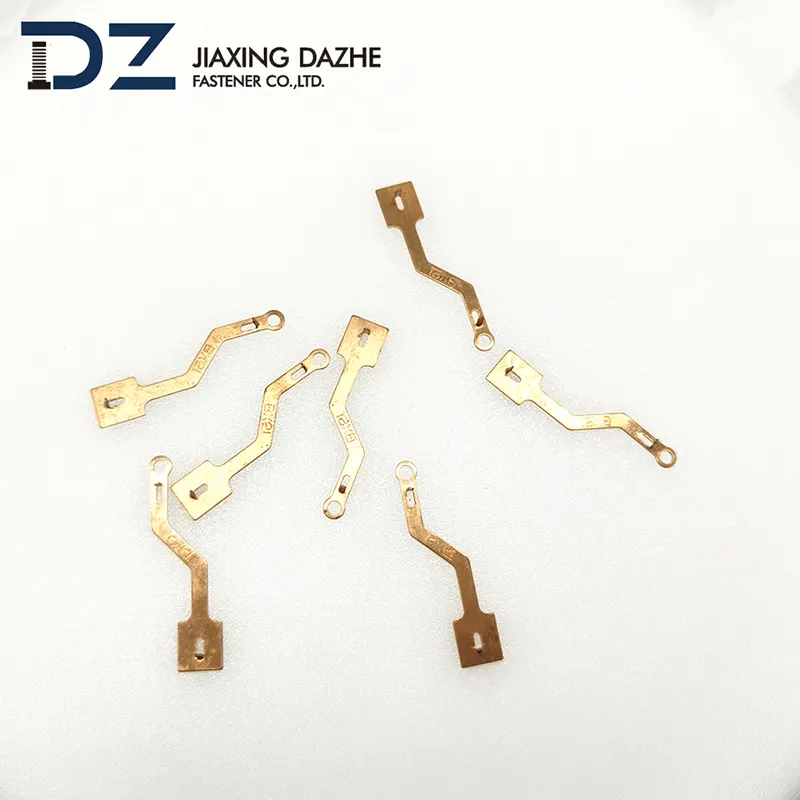
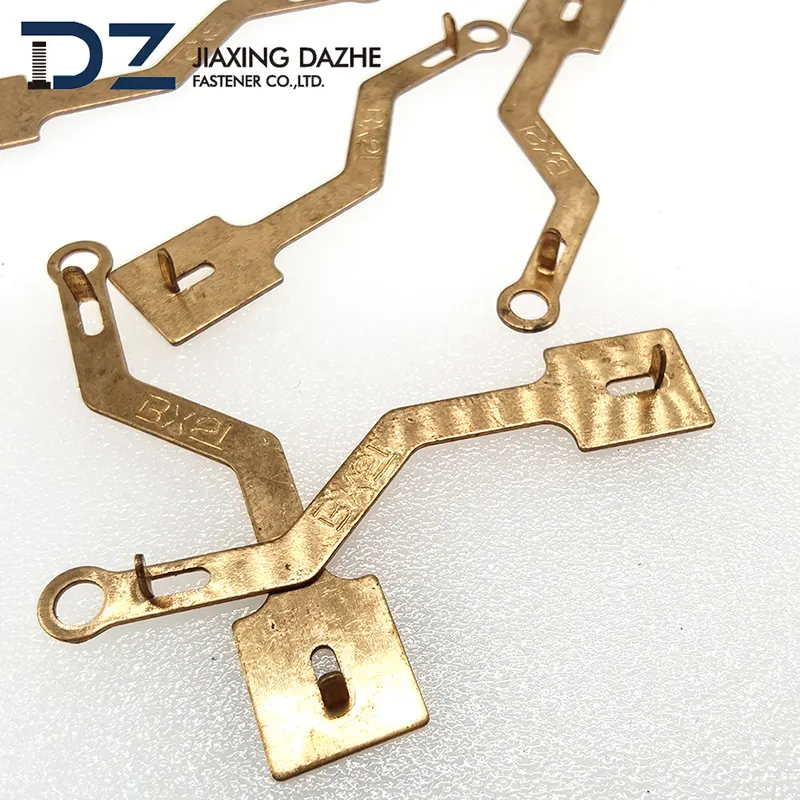
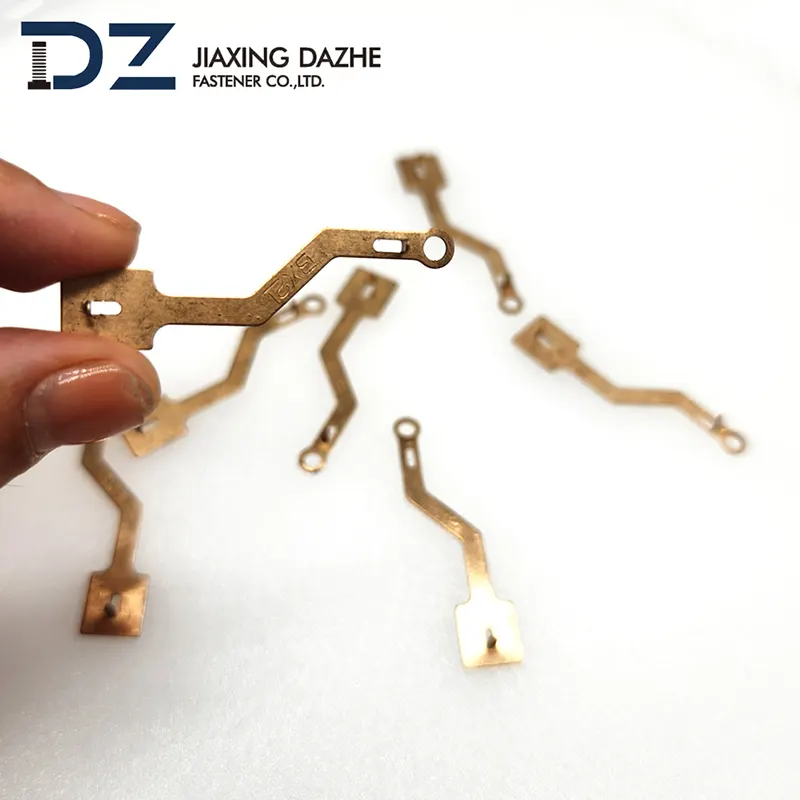
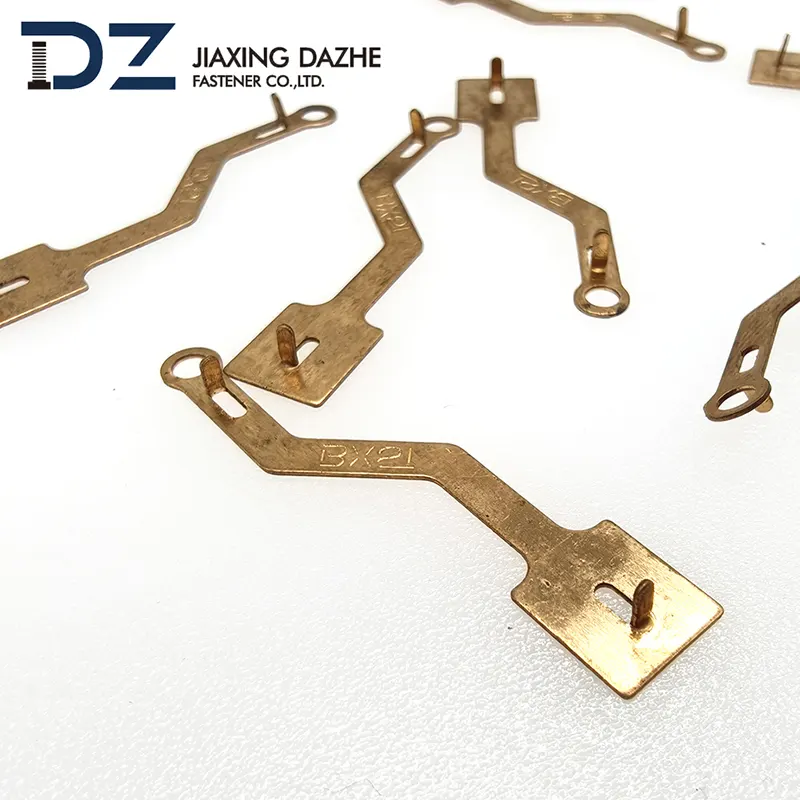
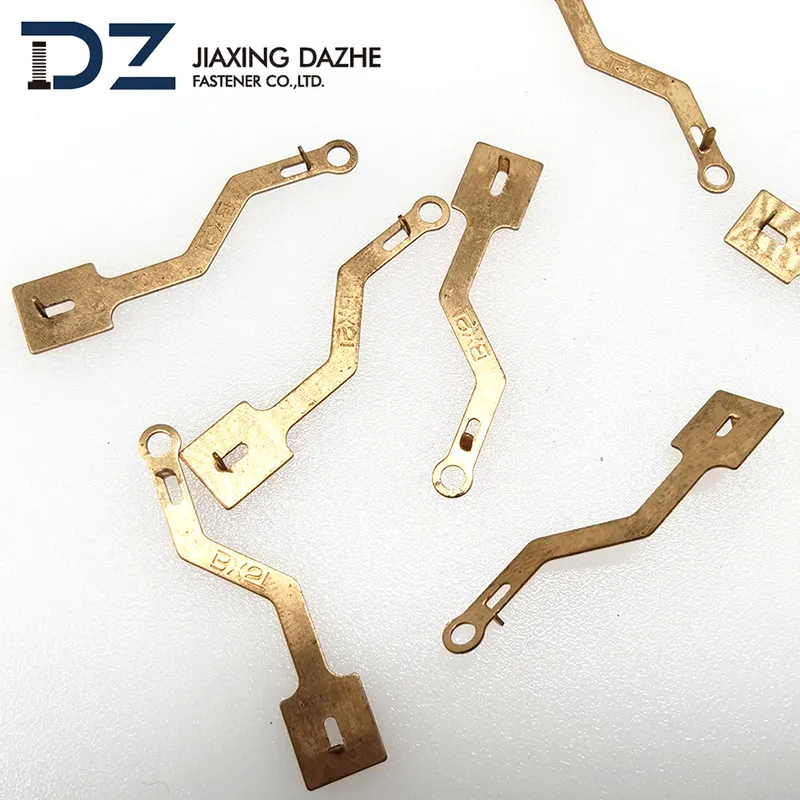
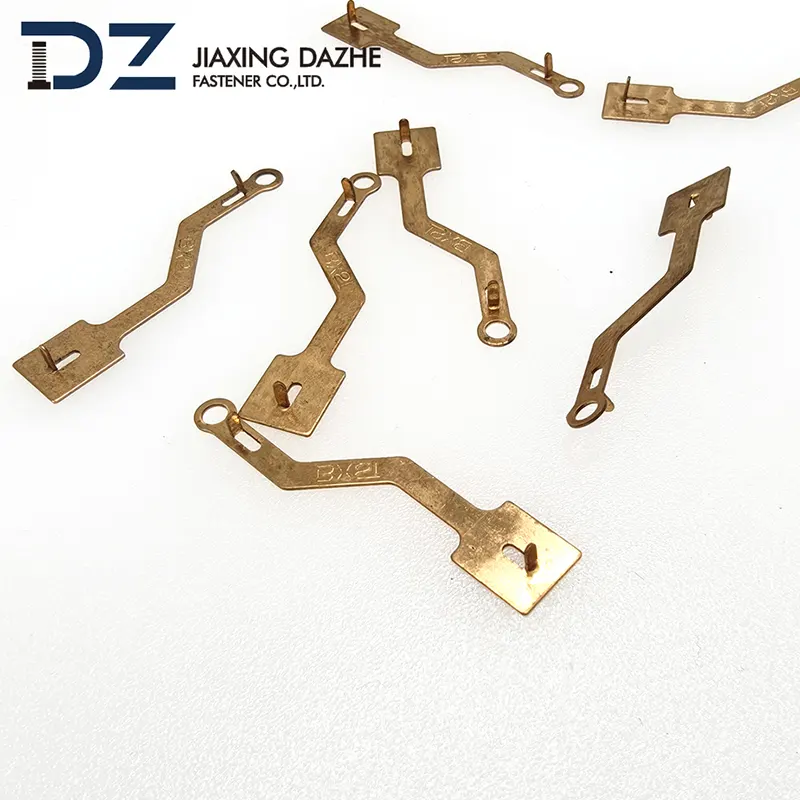
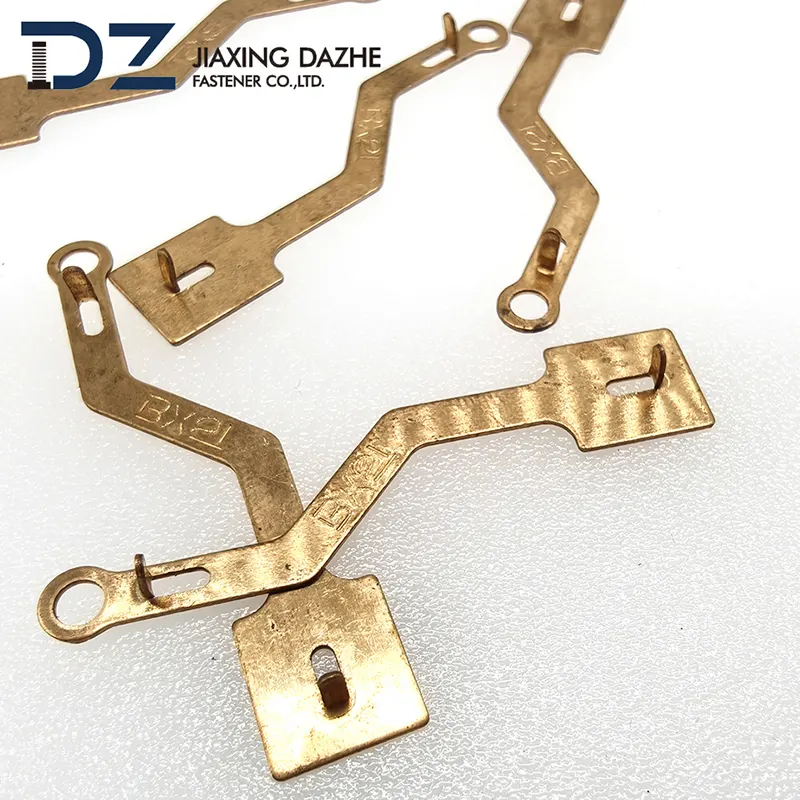
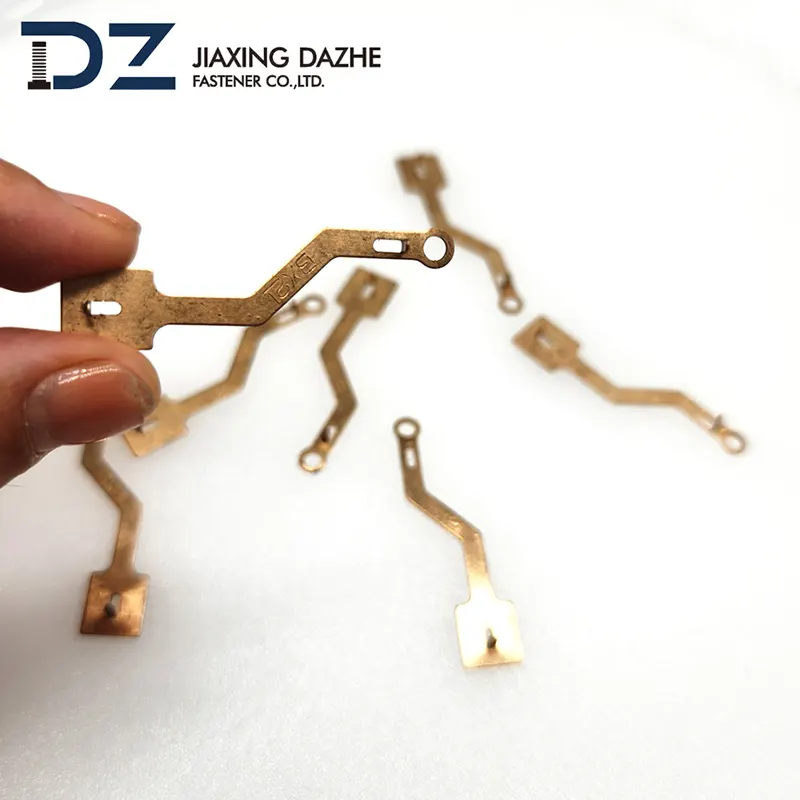
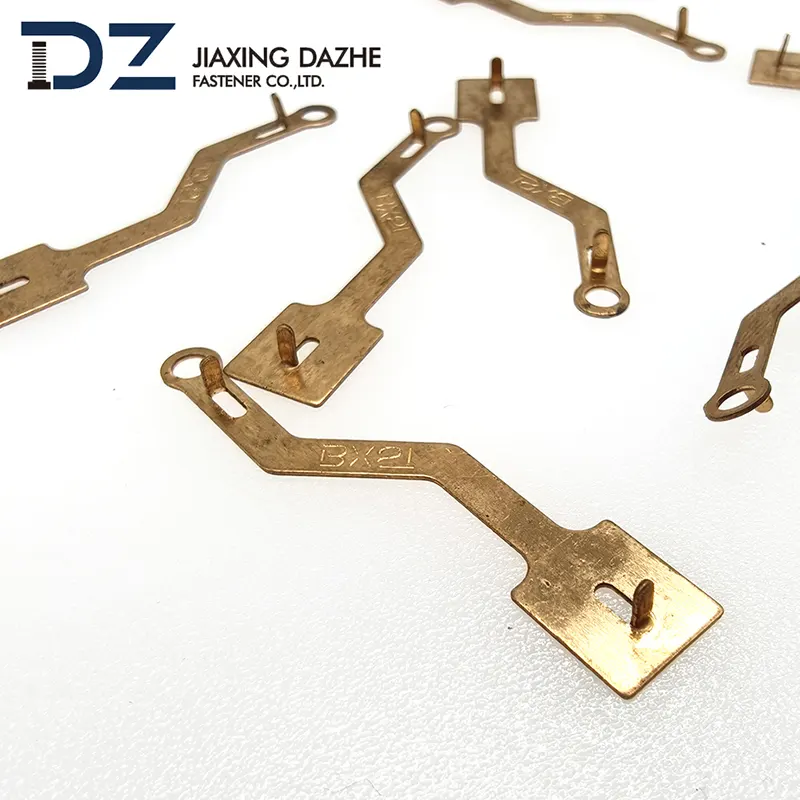
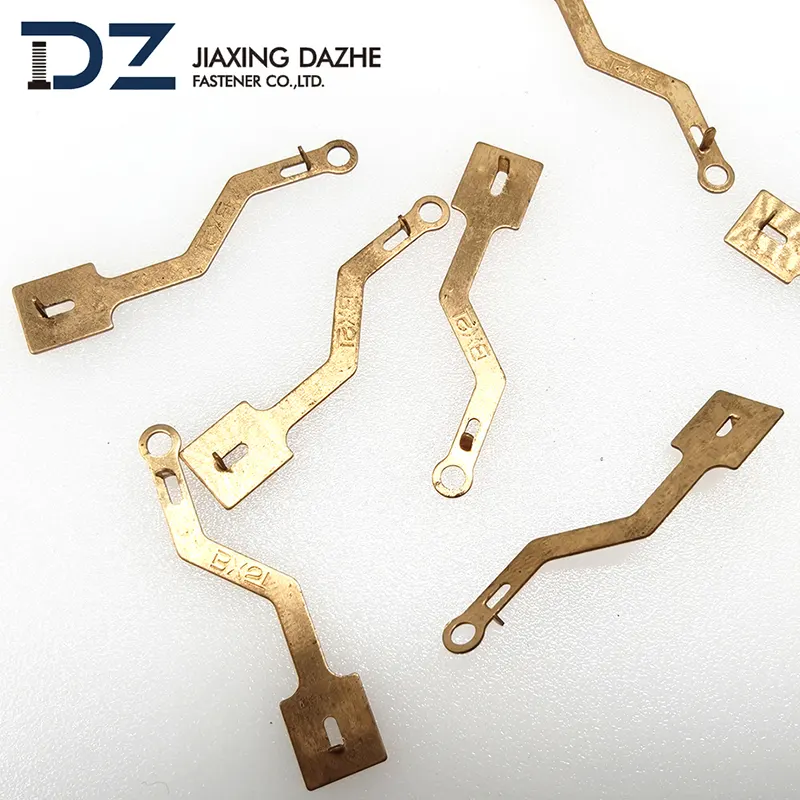
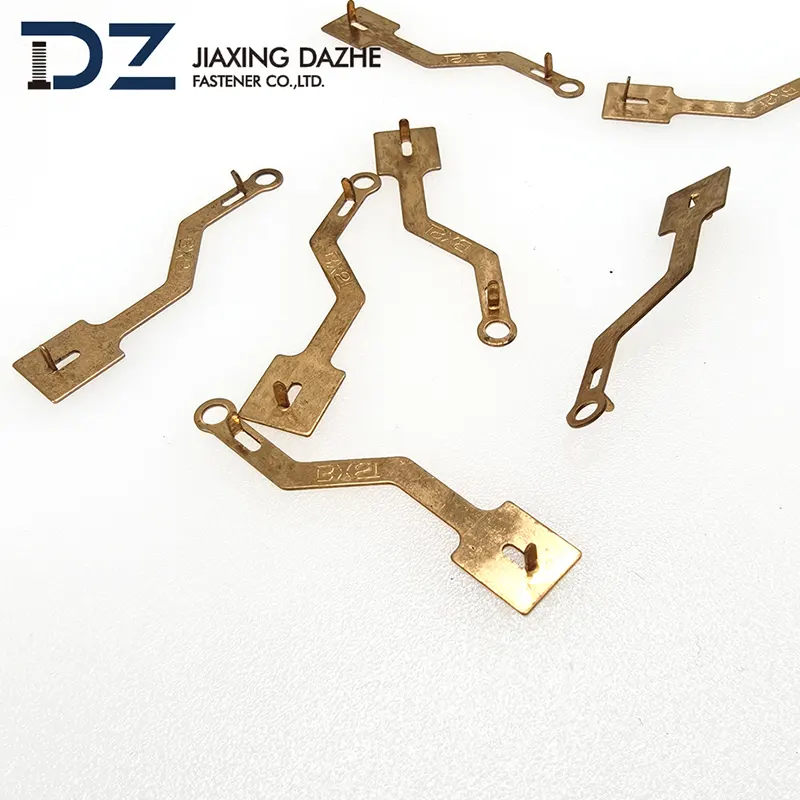
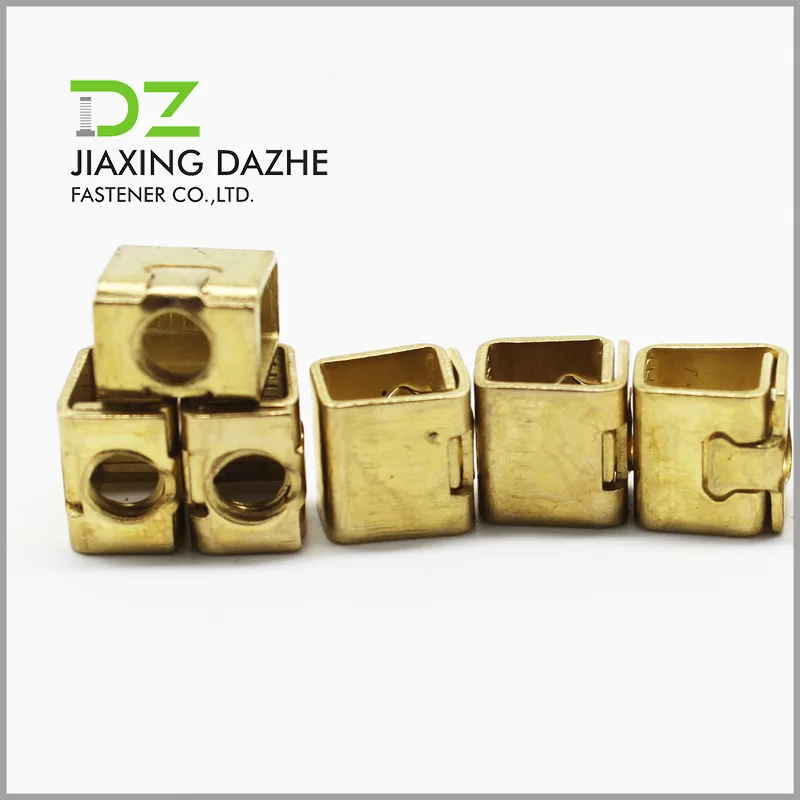
Brass Electrical Contact Spring
Dazhe fastener is a manufacturer and supplier specializing in Brass Electrical Contact Spring, located in Jiaxing, China. We've been doing this since 2010, so it's been over 15 years now.Our experienced precision investment casting team is dedicated to providing customers with first-class precision investment casting and product processing services.
Send Inquiry
Product Description
Selection of Material Thickness
The selection of material thickness for brass conductive contact springs is a core link that directly determines electrical conductivity, mechanical strength, fatigue resistance and service life. Commonly used thicknesses range from 0.1 mm to 1.0 mm. Thin materials below 0.3 mm are suitable for micro-contacts in compact electronic products, featuring good flexibility and low contact resistance, but with relatively low structural strength. Thicknesses between 0.3 mm and 0.6 mm balance elasticity and rigidity, making them the most widely used specification for connectors and switches. Materials thicker than 0.6 mm are mainly used in high-power and high-load scenarios, providing stable contact pressure and strong impact resistance. In actual design, thickness is matched with contact force, current load and installation space to ensure stable conduction and long-term elasticity without plastic deformation.
Stamping Technology
Stamping technology for brass conductive contact springs emphasizes precision, consistency and surface quality. High-speed precision stamping presses with closed-loop control are generally adopted, with machining accuracy controlled within ±0.01 mm to meet the dimensional requirements of tiny contact structures. Key processes include blanking, bending, forming, shaping and deburring. Material heat treatment and surface treatment are matched to improve elasticity and conductivity. The stamping die uses high speed steel or hard alloy to ensure mass production stability and reduce burrs and deformation. Progressive dies are widely used to realize one-time forming from strip to finished product, improving efficiency and consistency. Strict control of springback and stress distribution in the bending process ensures stable contact pressure and reliable performance in plug-and-use and long-term working conditions.
Application Scope
Brass conductive contact springs are widely used in many fields requiring reliable electrical connection and elastic contact due to their excellent conductivity, processability and cost-effectiveness. They are commonly used in consumer electronics such as mobile phones, laptops, tablets and smart watches for battery contacts, signal connection and grounding components. In connectors, switches, relays and sockets, they provide stable contact pressure and low-resistance conduction. They are also used in automotive electronics, including vehicle controllers, sensors and lighting systems, adapting to vibration and temperature change environments. In addition, they are widely applied in communication equipment, smart home, medical devices and industrial instruments, becoming essential precision elastic components for ensuring stable circuit connection and signal transmission.
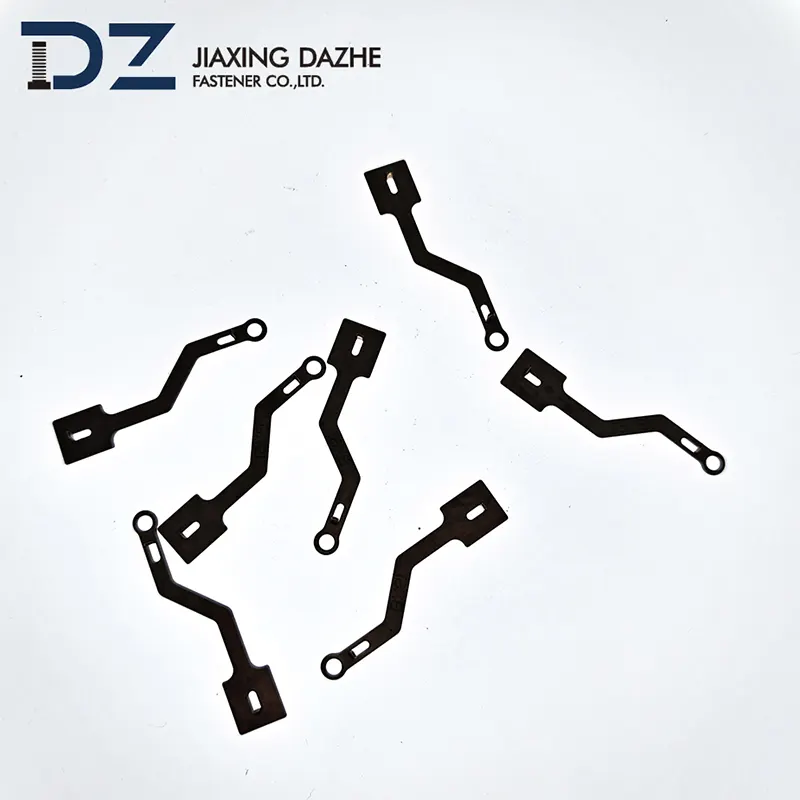
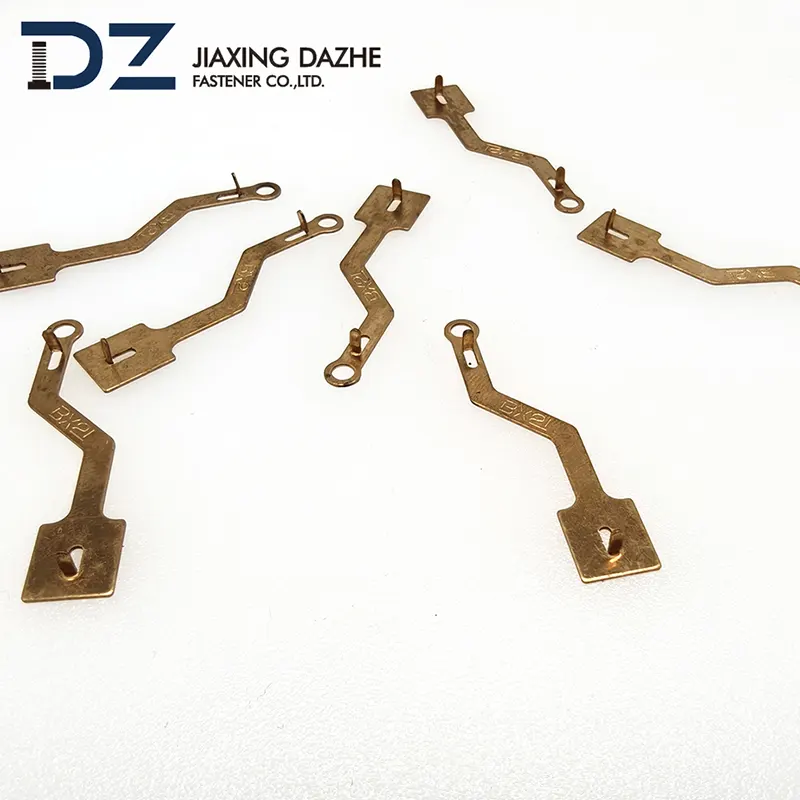
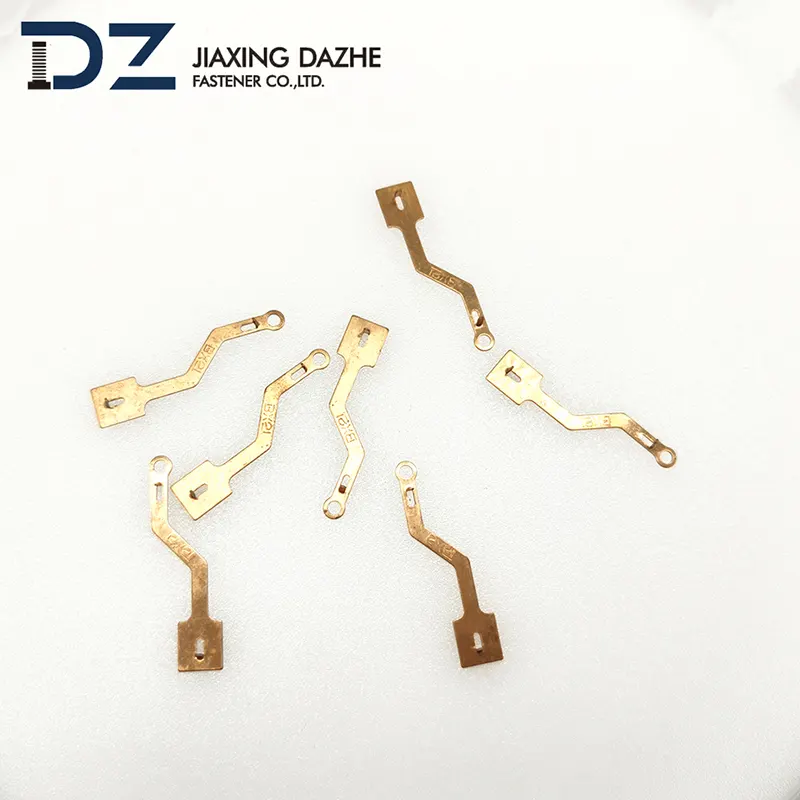
Hot Tags: Brass Electrical Contact Spring
Related Categories
Send Inquiry
Please feel free to fill your inquiry in the form below. We will reply you in 24 hours.
X
We use cookies to offer you a better browsing experience, analyze site traffic and personalize content. By using this site, you agree to our use of cookies.
Privacy Policy