 English
 Español
  Português
  русский
  Français
  日本語
日本語  Deutsch
  tiếng Việt
  Italiano
  Pilipino
  Türkçe
  Gaeilge
  العربية
  český
český  ภาษาไทย
  한국어
한국어  Malay
Malay  বাংলা ভাষার
  Dansk
Dansk  Suomi
Suomi 
Home
>
Products > Stamping Part
> Automotive Stamping Parts
>
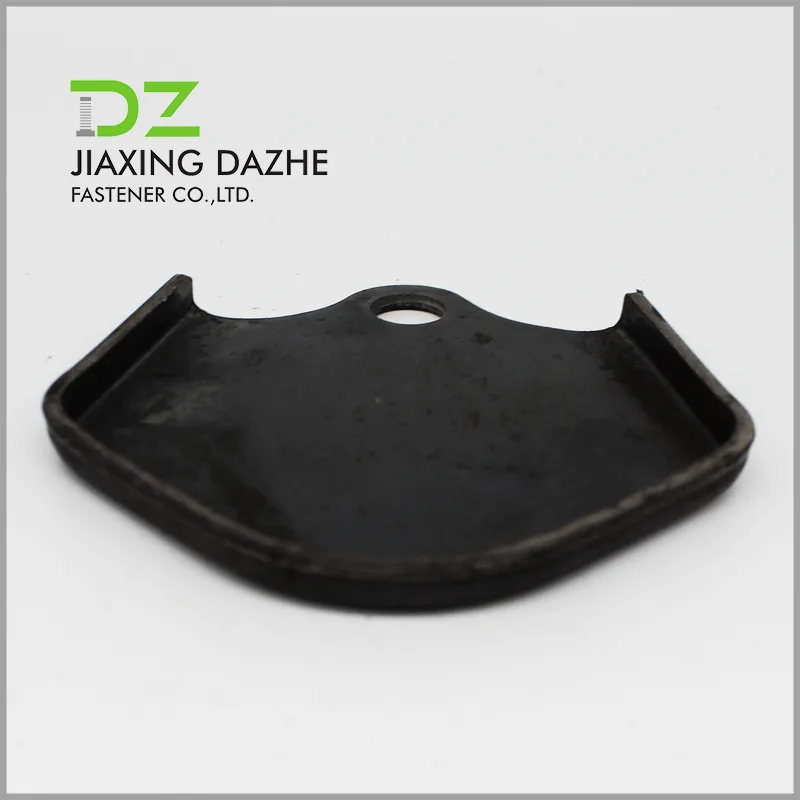
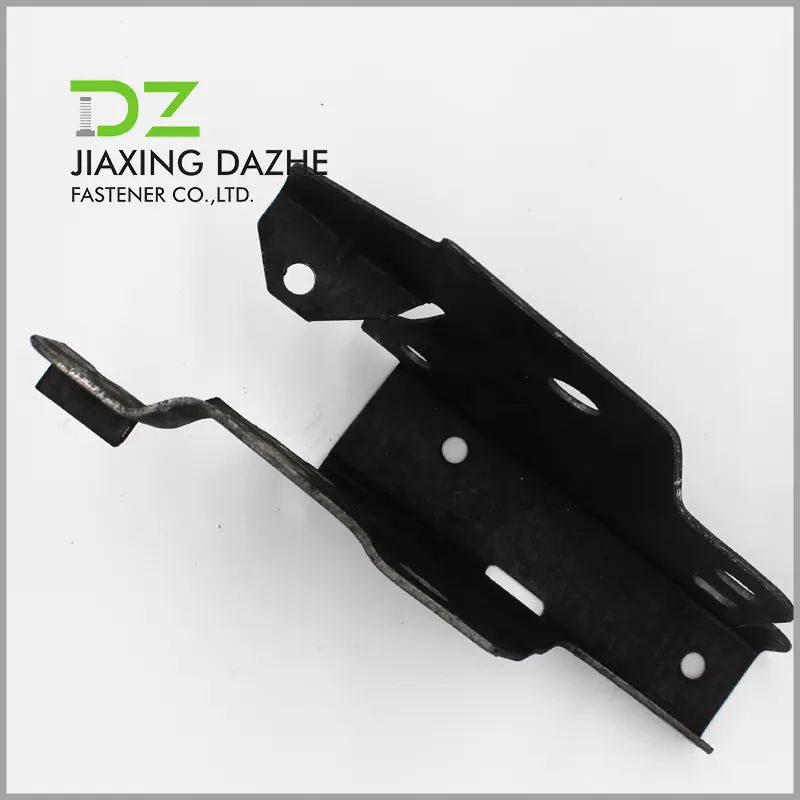
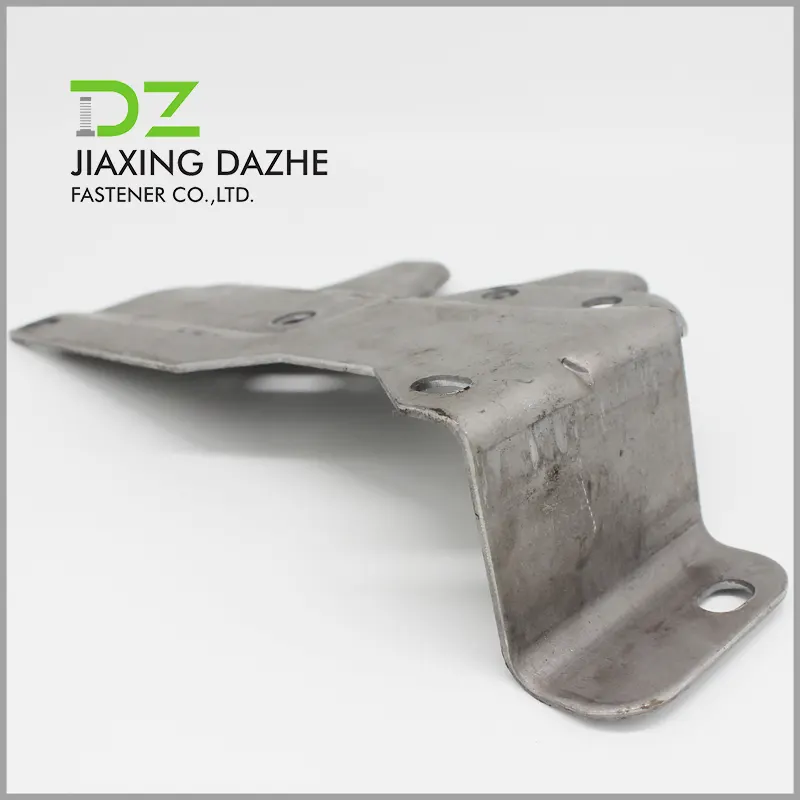
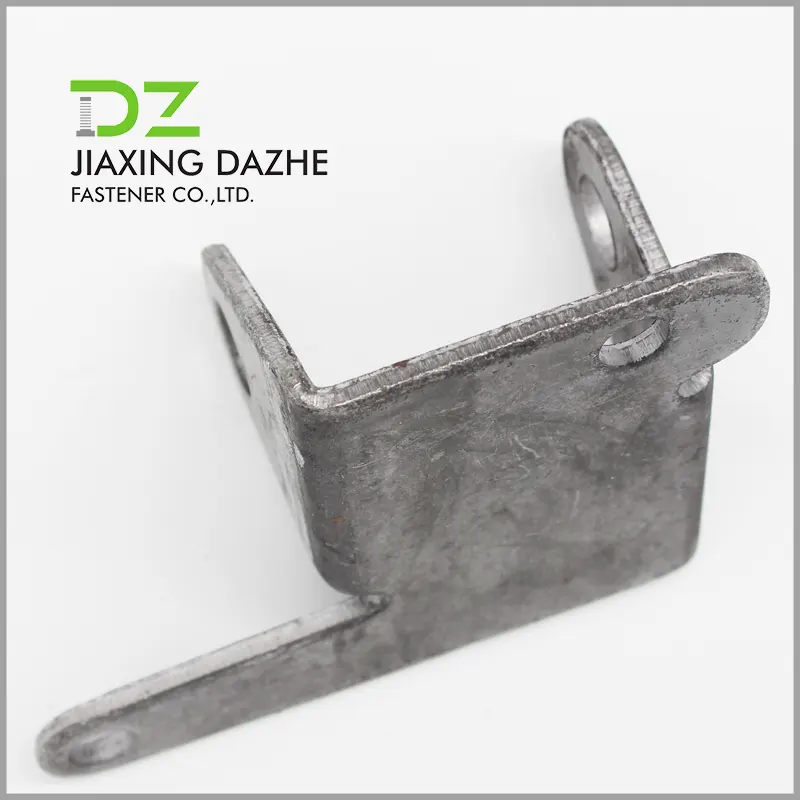
Stainless Steel Automotive Stamping Parts
Products


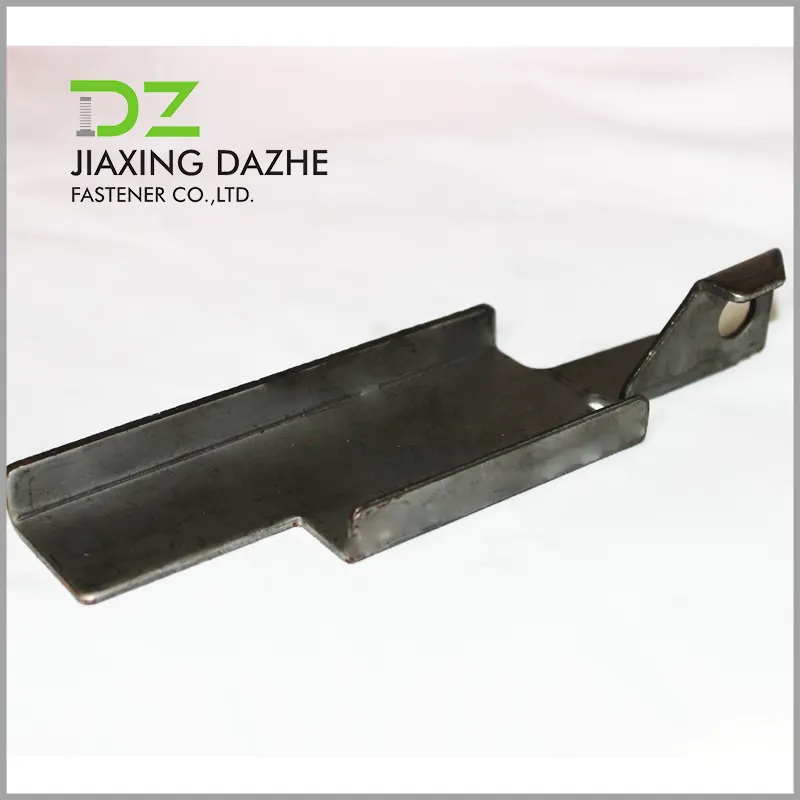
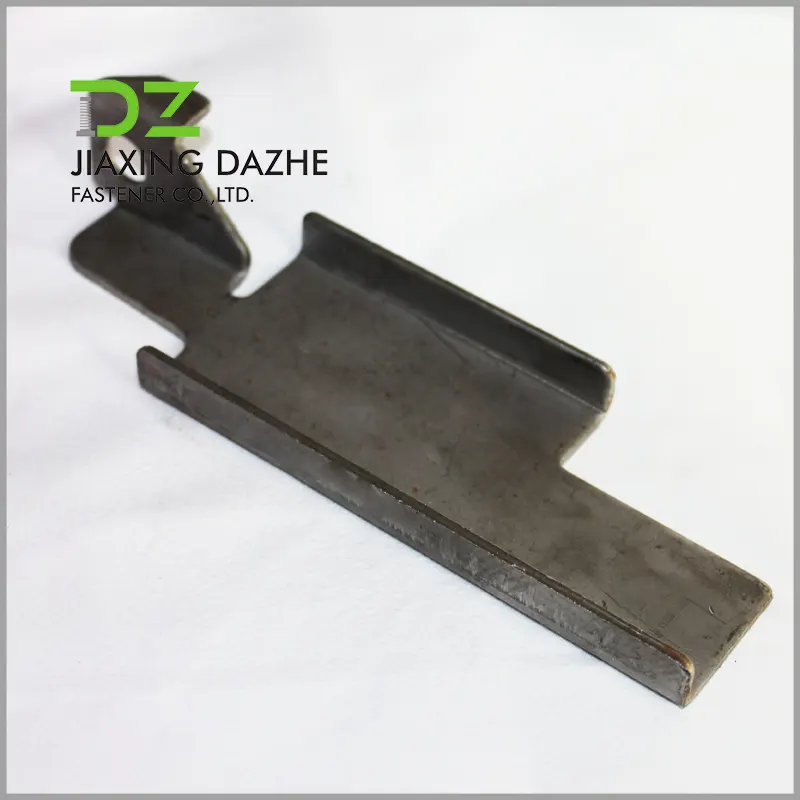
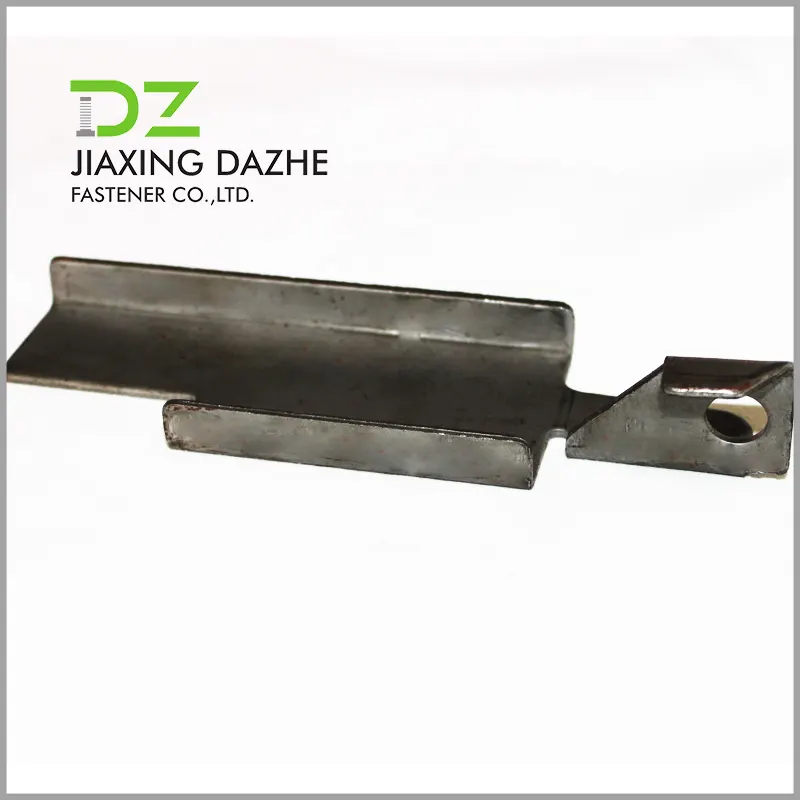
Stainless Steel Automotive Stamping Parts
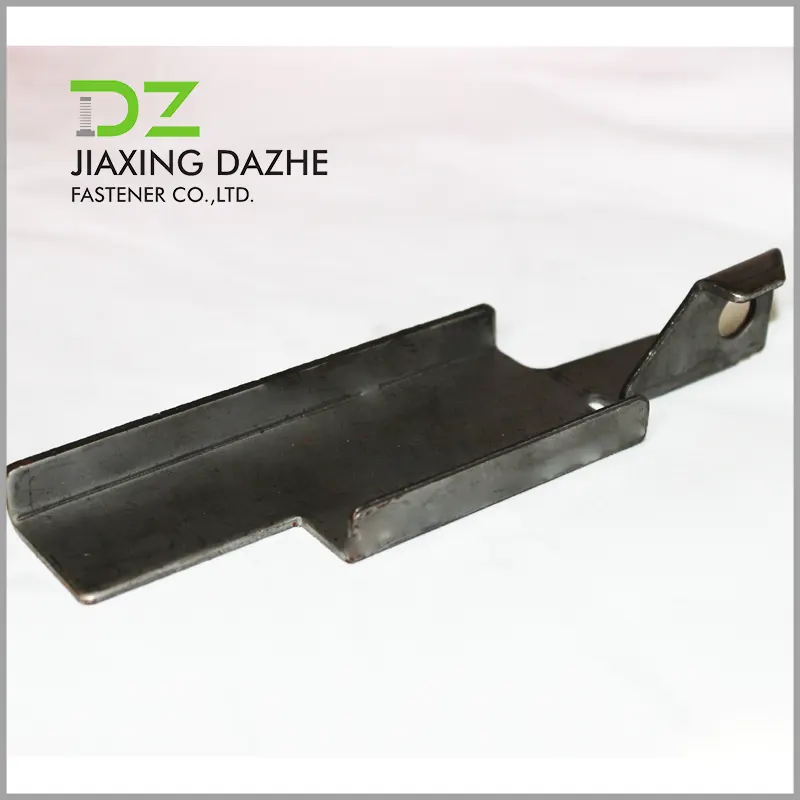
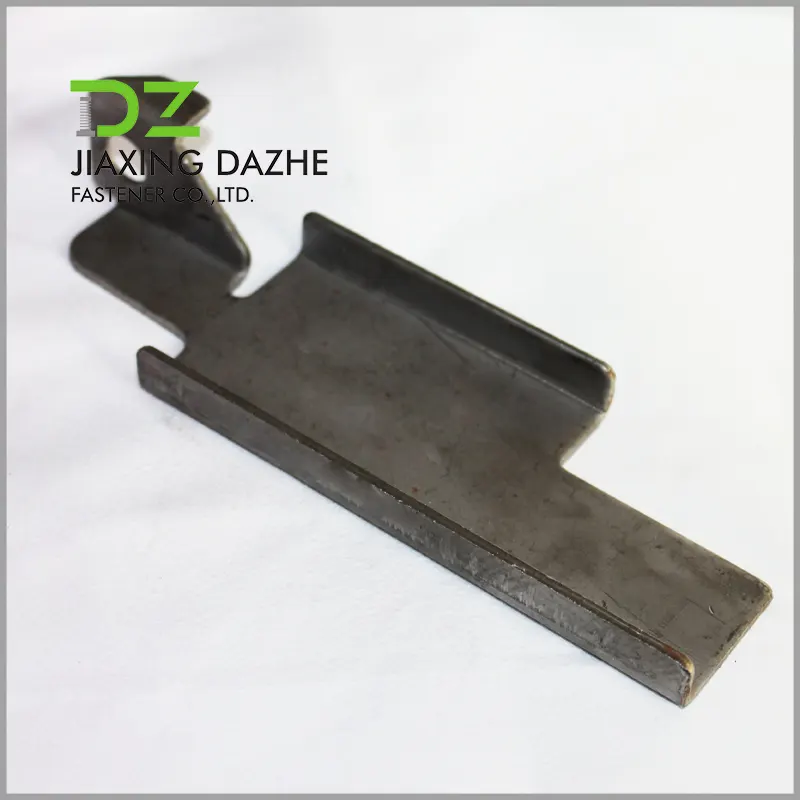
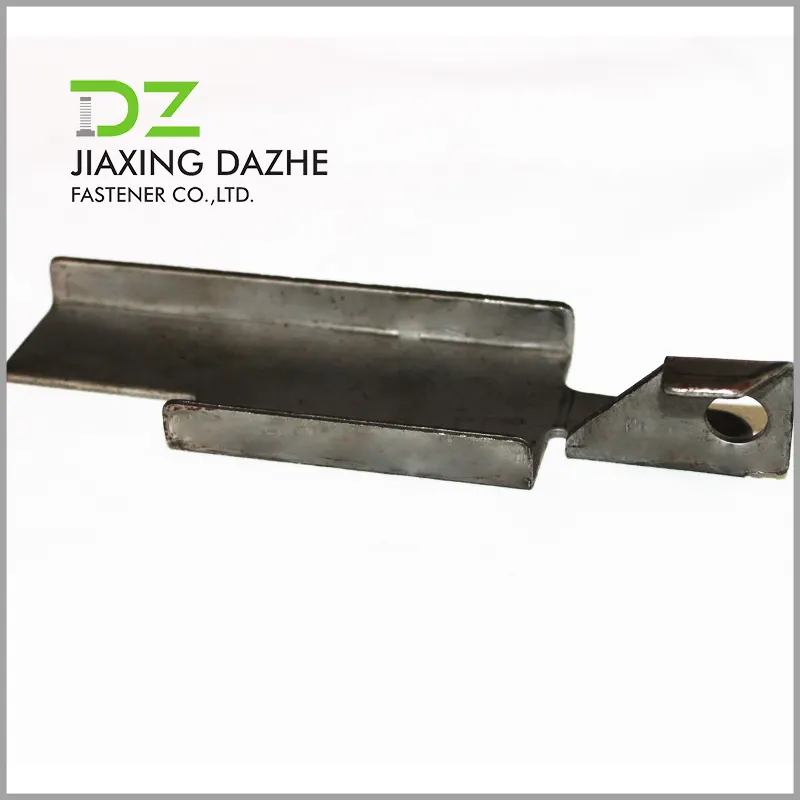
Jiaxing Dazhe is a professional factory and supplier of fasteners in China. Dazhe has been specialized in Stainless Steel Automotive Stamping Parts.Stainless Steel Automotive Stamping Parts are widely used in the new energy vehicle and medical sectors. Every production process of the Stainless Steel Automotive Stamping Parts manufactured by Dazhe undergoes strict quality control, making them a reliable choice for customers.
Send Inquiry
Product Description
With excellent comprehensive performance, stainless steel automotive stamping parts have become core components for the upgrading of automobile lightweight and durability. Stainless steel automotive stamping parts have strong corrosion resistance and oxidation resistance, which can be applied to various scenarios such as automobile chassis, body structure and decorative parts. They are not easy to rust or deform for a long time, greatly extending the service life of auto parts. At the same time, stainless steel automotive stamping parts have outstanding strength and rigidity, which can meet the structural stress and safety protection requirements during automobile driving, balance lightweight design and structural stability, effectively reduce vehicle energy consumption, and improve the overall quality and competitiveness of automobiles.
Characteristics of Stainless Steel Automotive Stamping Parts
The material characteristics of stainless steel automotive stamping parts directly determine their application value, making them the preferred material for high-end auto parts. Stainless steel automotive stamping parts have stable physical and chemical properties, high temperature resistance, low temperature resistance and impact resistance, which can adapt to complex and changeable driving environments and ensure stable component functions. They have high surface finish and good molding texture, which can not only meet the aesthetic requirements of automobile appearance decorative parts, but also meet the precision assembly needs of structural parts. In addition, stainless steel automotive stamping parts are highly recyclable, in line with the development trend of green environmental protection and low-carbon manufacturing in the automotive industry, and adapt to the diversified production needs of new energy vehicles and traditional fuel vehicles.
Process Difficulties of Our Stainless Steel Automotive Stamping Parts
The production and manufacturing of stainless steel automotive stamping parts have high process thresholds, and have strict requirements on equipment, molds and technical control. Stainless steel has high hardness and large springback, which leads to the fact that stainless steel automotive stamping parts are prone to size deviation, deformation and cracking during stamping and forming, requiring precise adjustment of stamping parameters and mold structure. At the same time, stainless steel automotive stamping parts have extremely high requirements for stamping accuracy and surface flatness, and minor defects will affect assembly and appearance, so high-precision stamping equipment and refined processing technology are required. In addition, complex-structured stainless steel automotive stamping parts involve multiple processes of stretching, bending and punching, with complex process flows, putting extremely high requirements on production control and technical experience, and mass production is difficult
Customer Feedback on Stainless Steel Automotive Stamping Parts
Market and end-customer feedback on stainless steel automotive stamping parts continues to be positive with increasing recognition. Customers said that the corrosion resistance and durability of stainless steel automotive stamping parts are far better than ordinary steel stamping parts, greatly reducing the maintenance and replacement cost of auto parts and improving the vehicle use experience. Many automobile manufacturers feedback that stainless steel automotive stamping parts have high precision and strong adaptability, which can quickly match the assembly requirements of the whole vehicle and effectively improve production efficiency. At the same time, customers recognize the advantages of stainless steel automotive stamping parts in lightweight and environmental protection. Especially new energy vehicle customers feedback that stainless steel automotive stamping parts help reduce vehicle weight and extend battery life, perfectly meet the quality requirements of high-end automobile manufacturing, and are high-quality component choices for long-term cooperation.
Hot Tags: Stainless Steel Automotive Stamping Parts
Related Categories
Send Inquiry
Please feel free to fill your inquiry in the form below. We will reply you in 24 hours.
X
We use cookies to offer you a better browsing experience, analyze site traffic and personalize content. By using this site, you agree to our use of cookies.
Privacy Policy