 English
 Español
  Português
  русский
  Français
  日本語
日本語  Deutsch
  tiếng Việt
  Italiano
  Pilipino
  Türkçe
  Gaeilge
  العربية
  český
český  ภาษาไทย
  한국어
한국어  Malay
Malay  বাংলা ভাষার
  Dansk
Dansk  Suomi
Suomi 
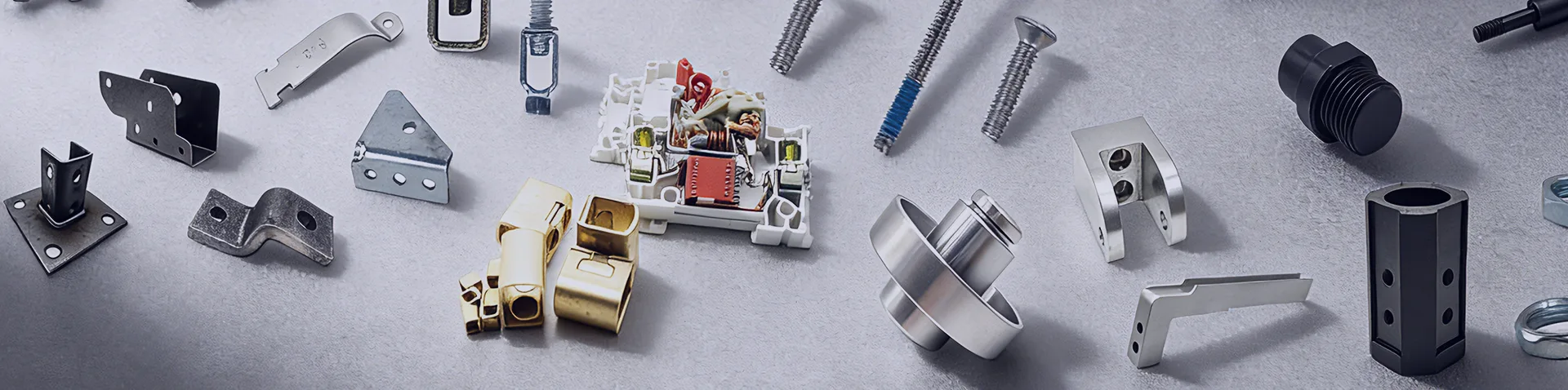
Products


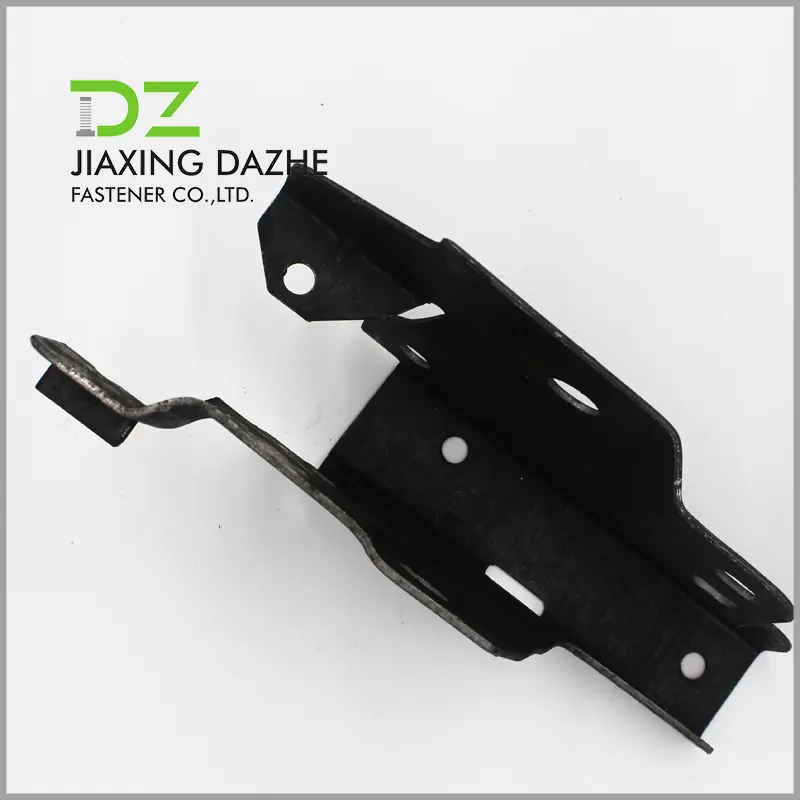
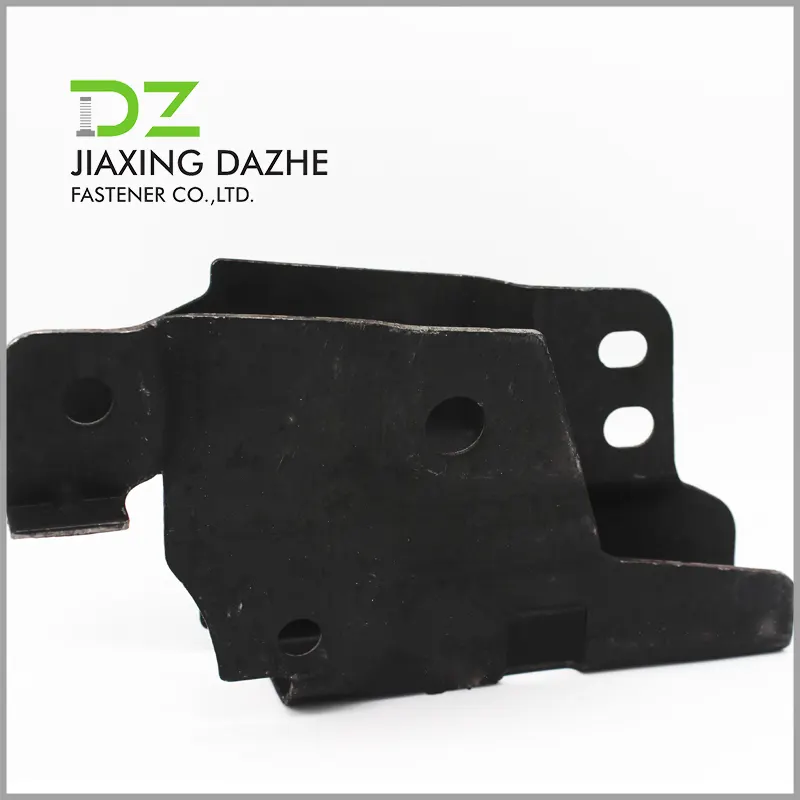
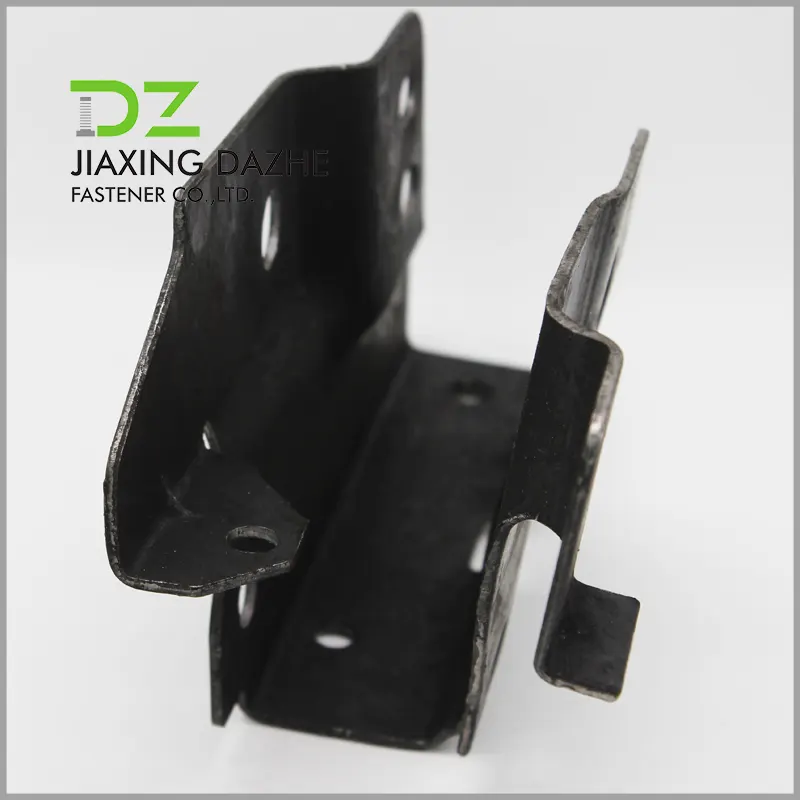
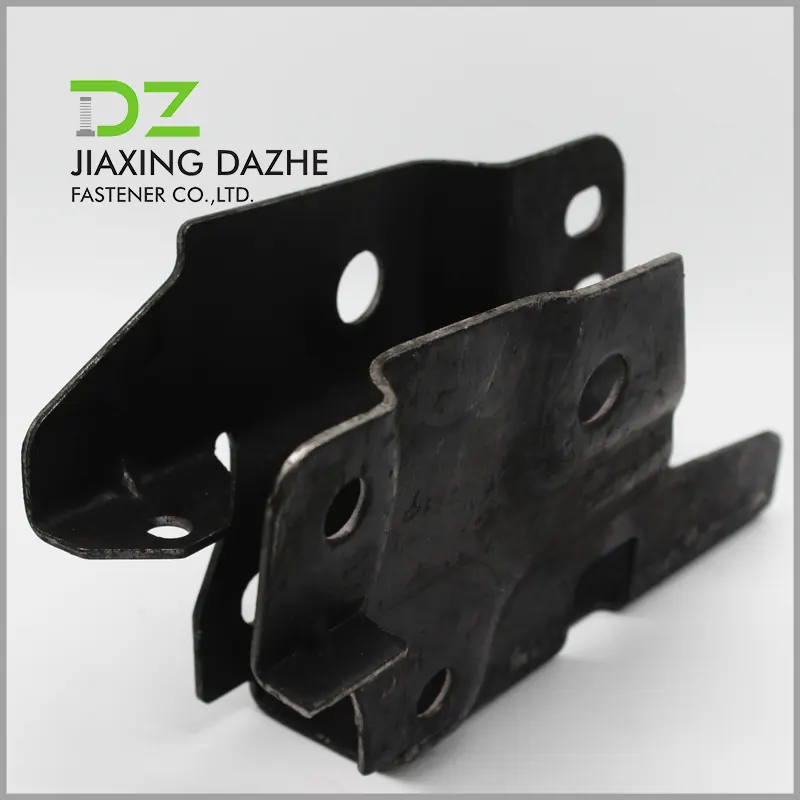
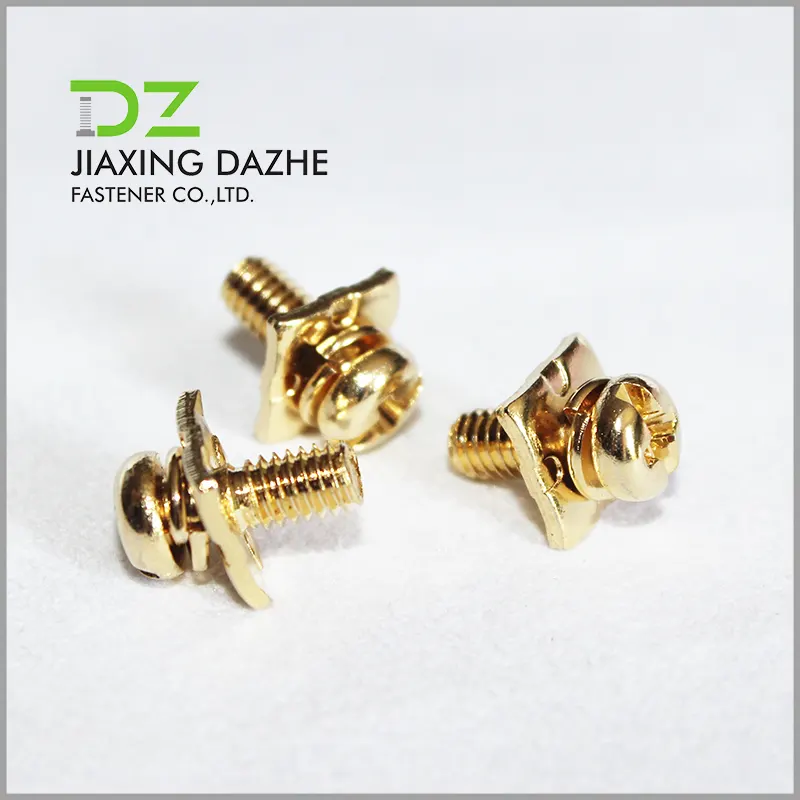
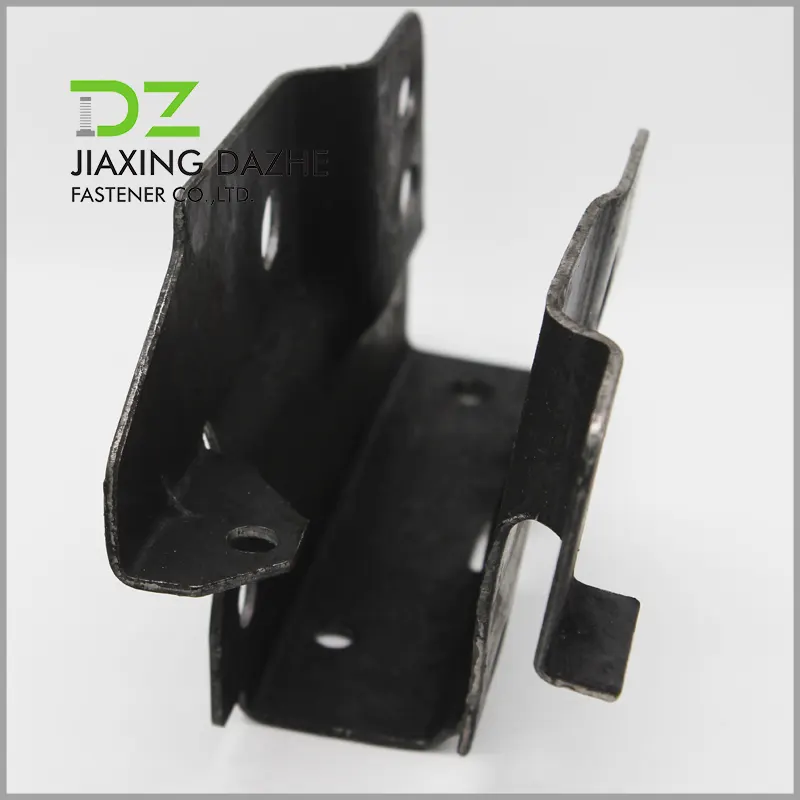
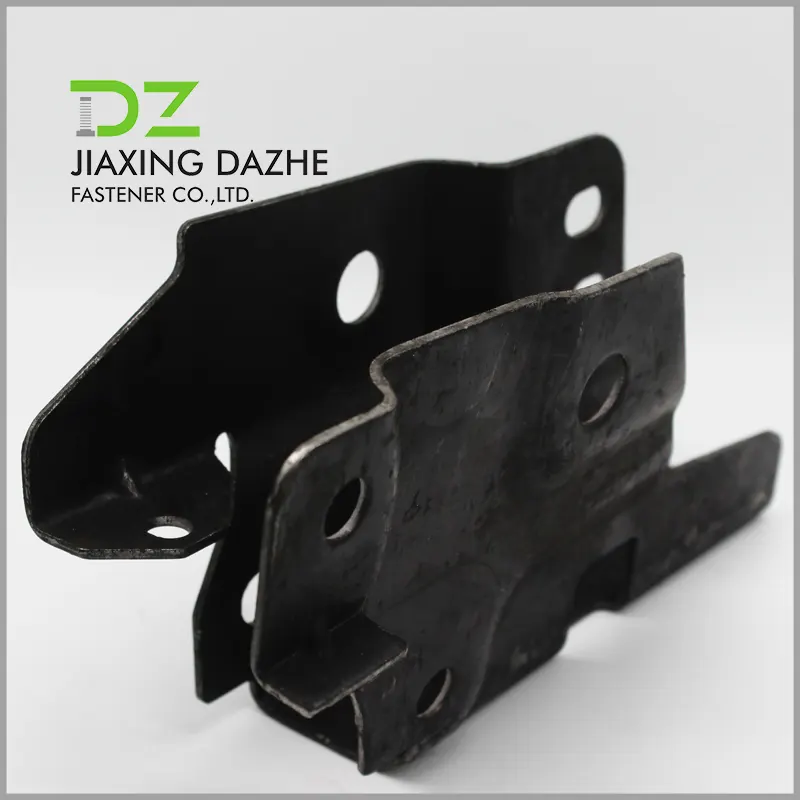
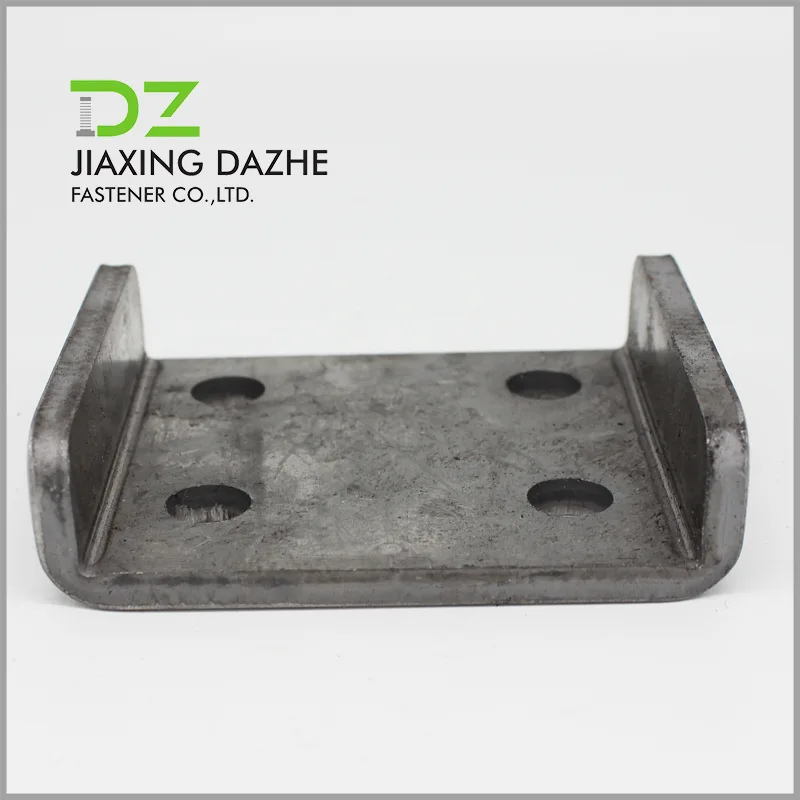
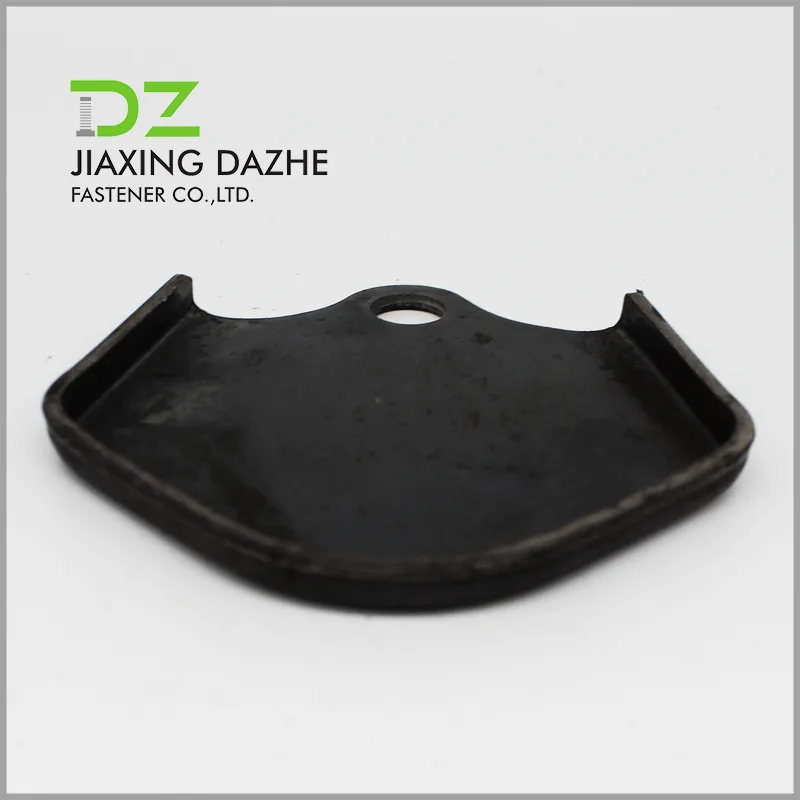
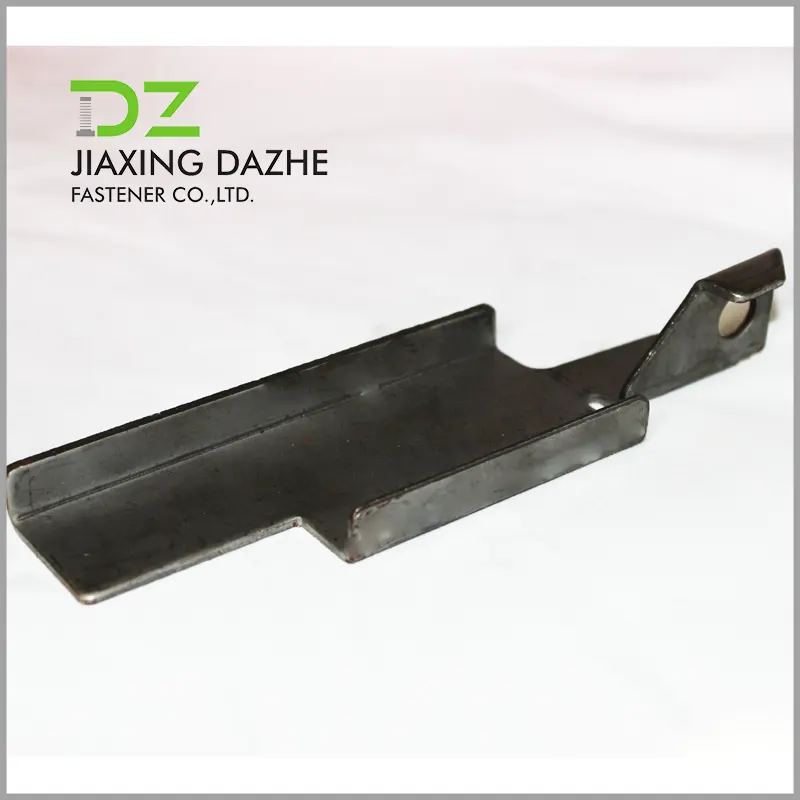
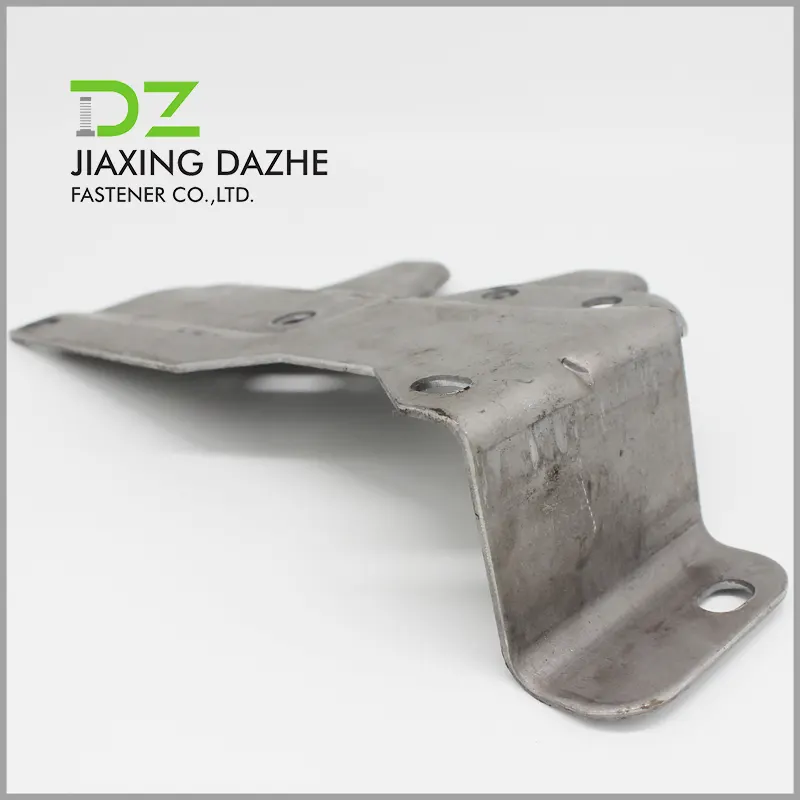
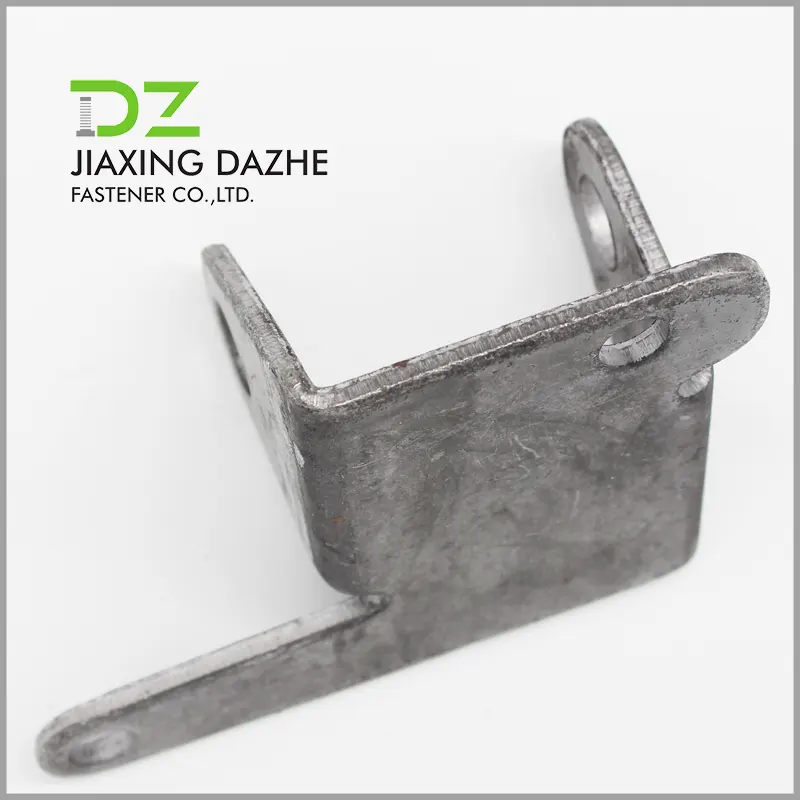
Steel Automotive Stamping Parts
Dazhe is a large-scale Steel Automotive Stamping Parts manufacturer and supplier in China. We have been specialized in Steel Automotive Stamping Parts for many years. Our products have a good price advantage and cover most of the European and American markets. We look forward to becoming your long-term partner in China.
Send Inquiry
Product Description
Steel Automotive stamping parts are core components in the automotive industry with strict requirements for dimensional accuracy, structural strength and surface quality. Their production is a systematic project covering material selection, processing and quality control. To ensure product compliance, the process must be tightly closed, with each step closely linked.
The detailed process is as follows
1.Raw Material Purchasing & Inspection
Select cold-rolled, hot-rolled and advanced high-strength steel (AHSS) based on application (body, chassis, interior). Conduct full inspection upon entry to strictly control thickness tolerance (e.g., ±0.02mm), surface quality, mechanical properties and chemical composition, eliminating unqualified materials at the source.
2.Uncoiling, Leveling & Blanking
Uncoil steel coils, level them to eliminate warpage and internal stress to obtain flat sheets. Finally, accurately shear into blanks of specified dimensions according to die layout plans, balancing dimensional accuracy and material utilization.
3.Stamping & Forming - Core Process
Adopt multi-station progressive dies for high-speed stamping, completing multiple processes in one stroke. Specific steps include: blanking (rough forming), piercing (mounting holes), drawing (complex surface forming), bending (setting angles) and shaping (eliminating springback). Control die clearance and lubrication throughout to ensure forming quality.
4.Trimming & Piercing
Cut excess flash and edges to obtain standard contours; precisely locate holes at designated positions based on design requirements, ensuring smooth hole walls and accurate positioning to support subsequent assembly.
5.Flanging, Shaping & Coining
Fold edges for reinforcement or apply precise pressure to further correct local deformation, ensuring part shape and dimensions match drawings exactly, and improving the accuracy and finish of key assembly surfaces.
6.Surface Treatment
Select processes based on application environment. Electro-coating (uniform corrosion resistance) for body parts; Galvanizing (harsh environment resistance) for chassis parts; Spraying (diverse colors) for interior parts. All processes must ensure uniform coating with strong adhesion.
7.Dimensional & Performance Inspection)
This is the final quality checkpoint. Use Coordinate Measuring Machines (CMM) for full-size inspection to ensure 100% qualification of key dimensions; conduct salt spray tests (corrosion resistance), strength and fatigue tests to verify product reliability.
The production process of automotive steel stamping parts is a complex and systematic process, which is composed of nine key links: raw material purchasing & inspection, uncoiling, leveling & blanking, stamping & forming, trimming & piercing, flanging, shaping & coining, welding/riveting (if required), surface treatment, dimensional & performance inspection, cleaning, packaging & warehousing. Each link has strict technical requirements and quality control standards. Only by strictly controlling each process, ensuring the stability and accuracy of the process, can we produce high-quality automotive steel stamping parts that meet the automotive assembly and use requirements, and provide reliable support for the safe and stable operation of automobiles.
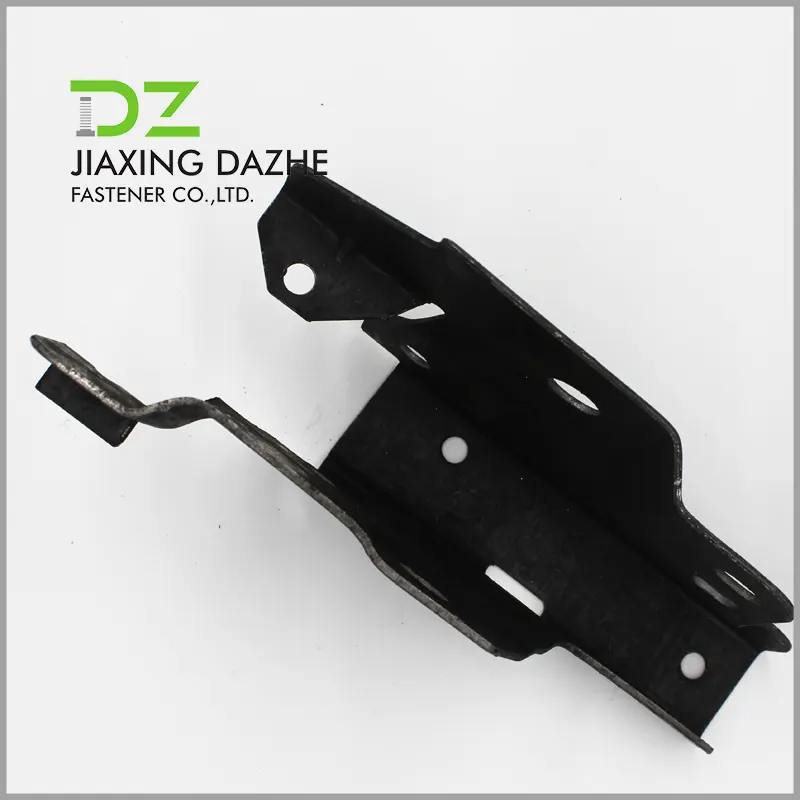
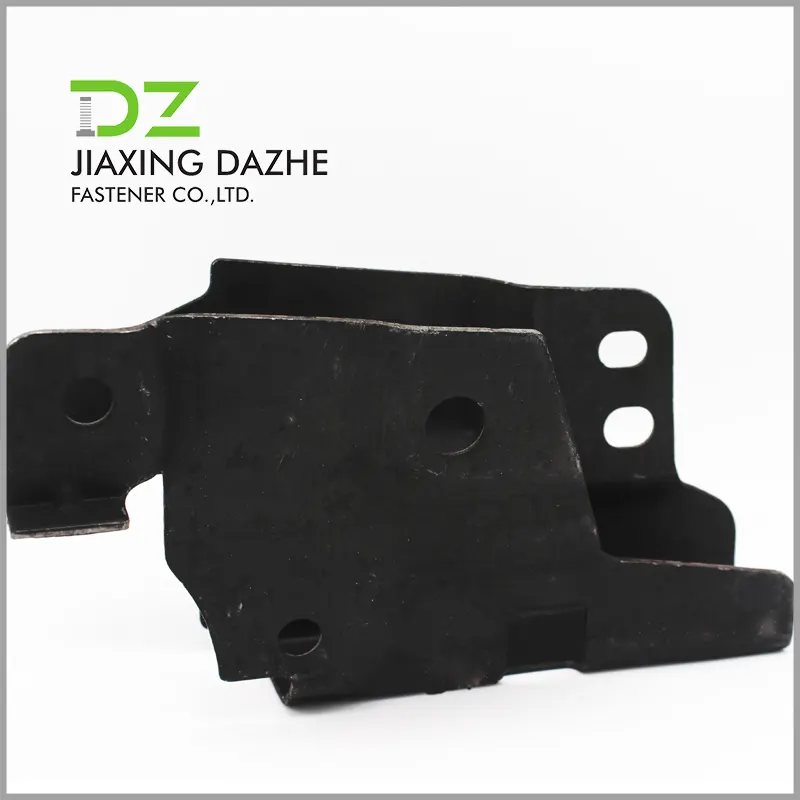
Hot Tags: Steel Automotive Stamping Parts
Related Categories
Send Inquiry
Please feel free to fill your inquiry in the form below. We will reply you in 24 hours.
X
We use cookies to offer you a better browsing experience, analyze site traffic and personalize content. By using this site, you agree to our use of cookies.
Privacy Policy