 English
 Español
  Português
  русский
  Français
  日本語
日本語  Deutsch
  tiếng Việt
  Italiano
  Pilipino
  Türkçe
  Gaeilge
  العربية
  český
český  ภาษาไทย
  한국어
한국어  Malay
Malay  বাংলা ভাষার
  Dansk
Dansk  Suomi
Suomi 
Home
>
Products > CNC Machining
> CNC Machining Parts
>
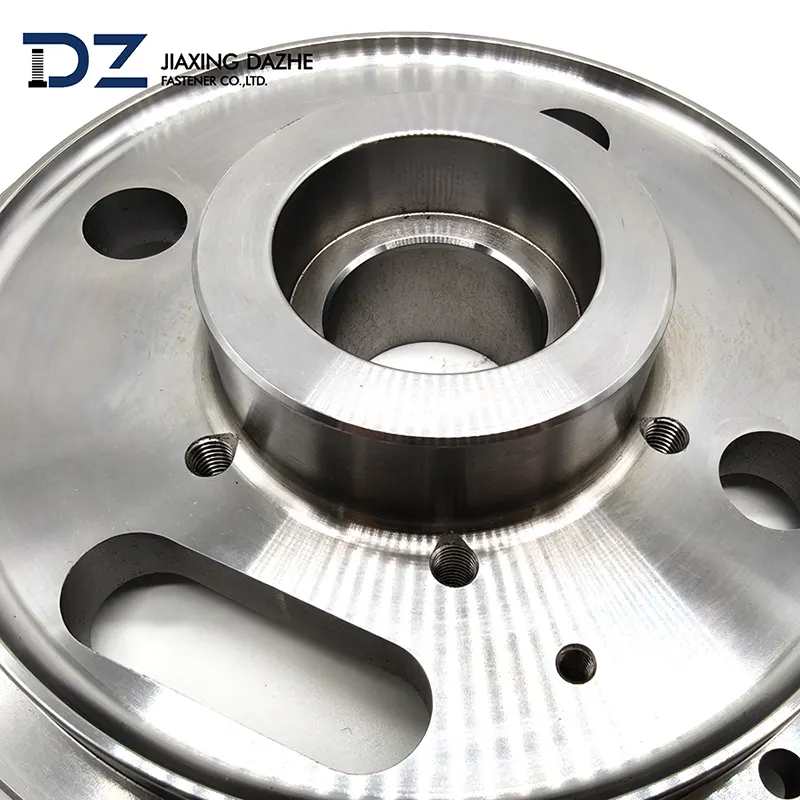
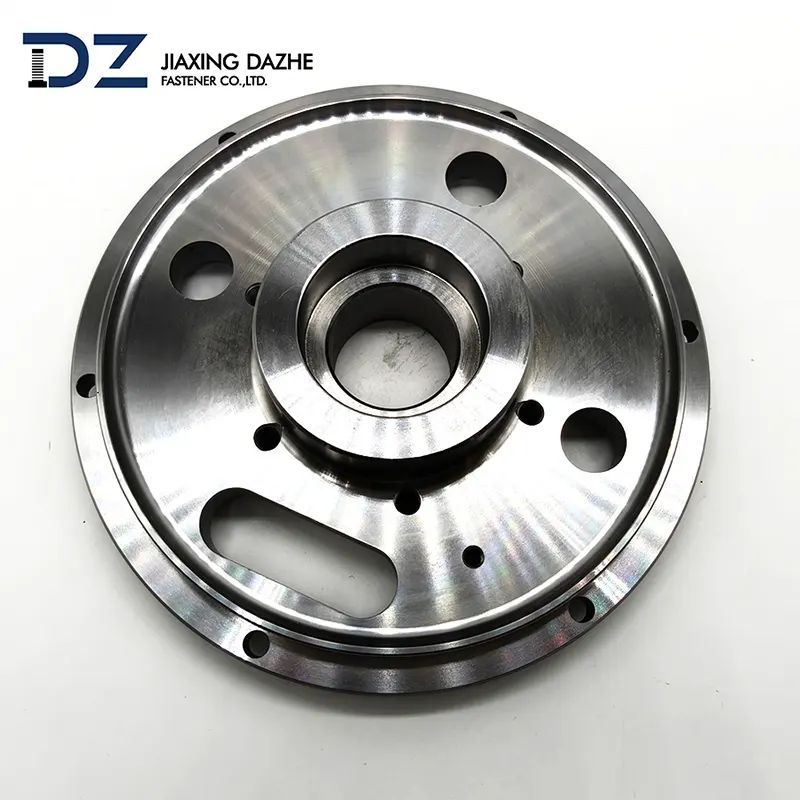
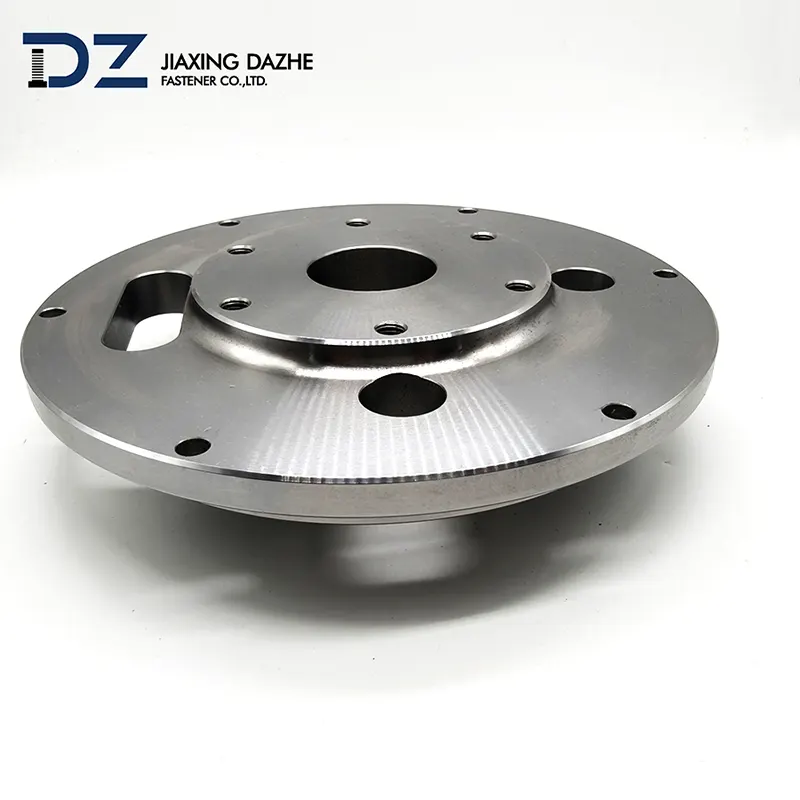
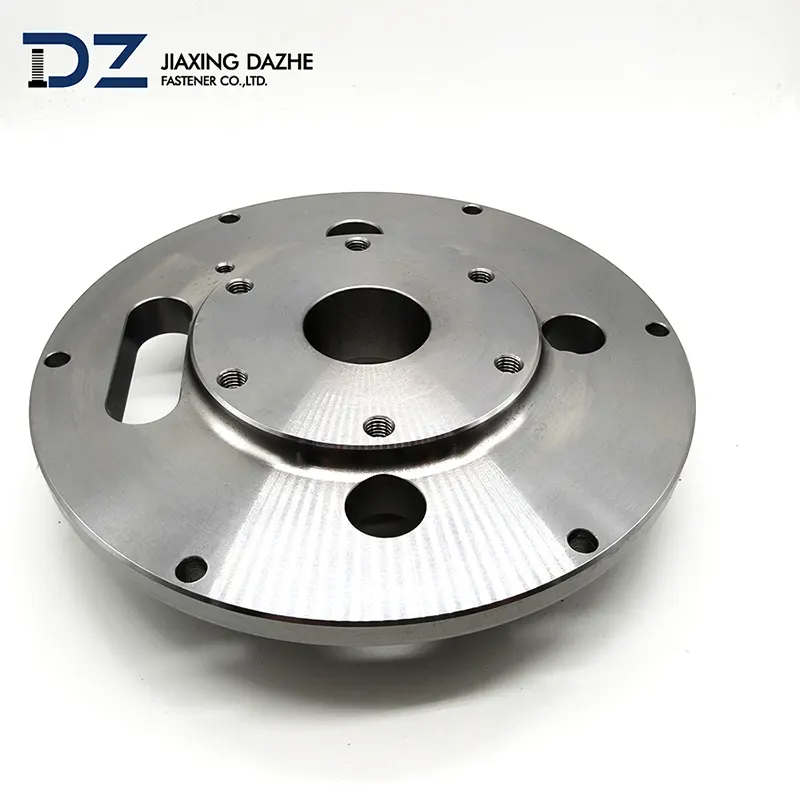
CNC Machined Parts For Conveyor Belts Of Large Mining Machinery
Products


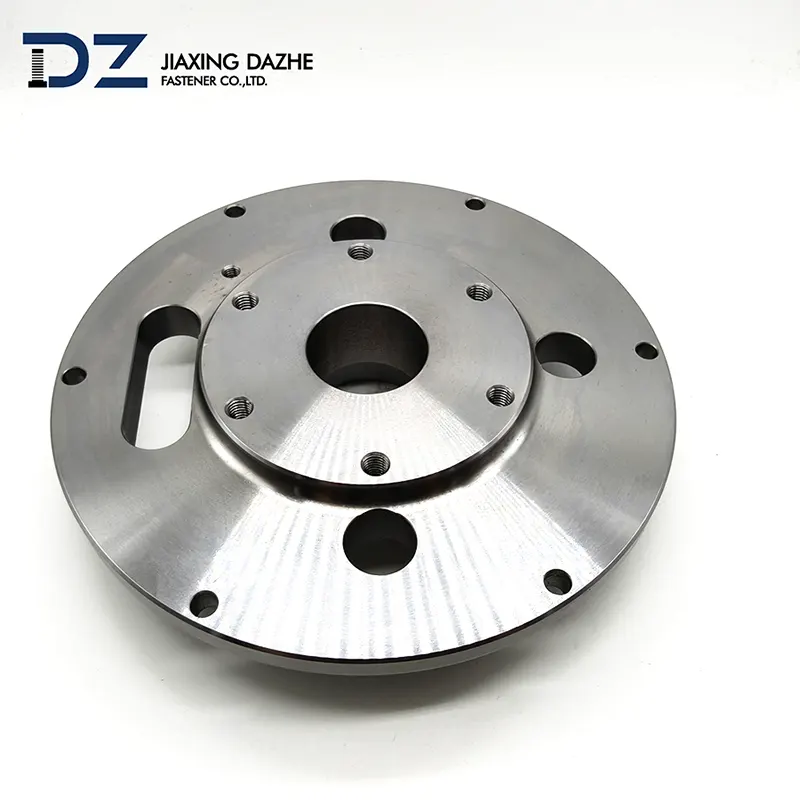
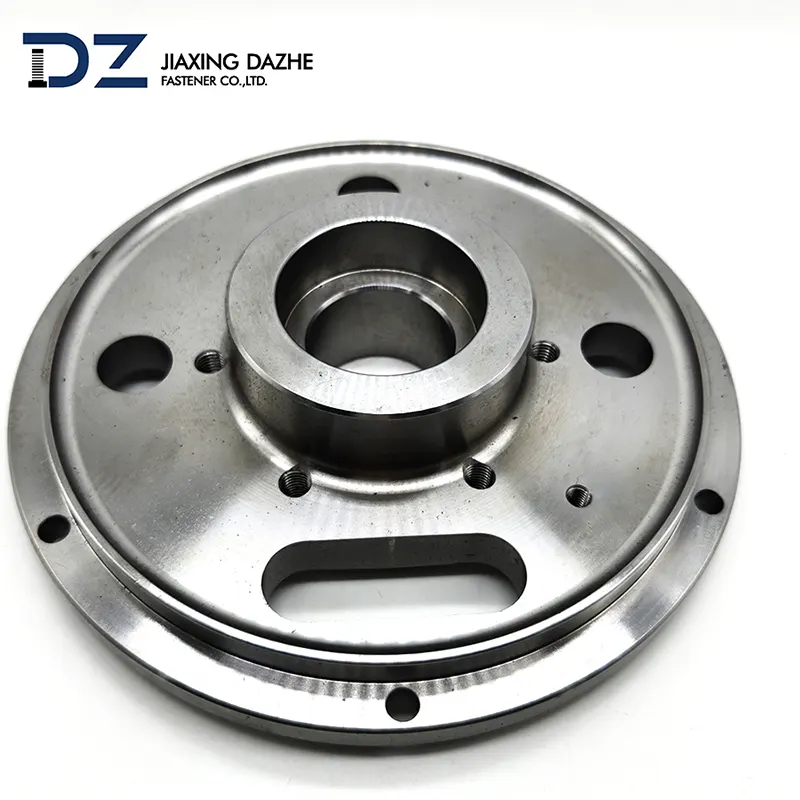
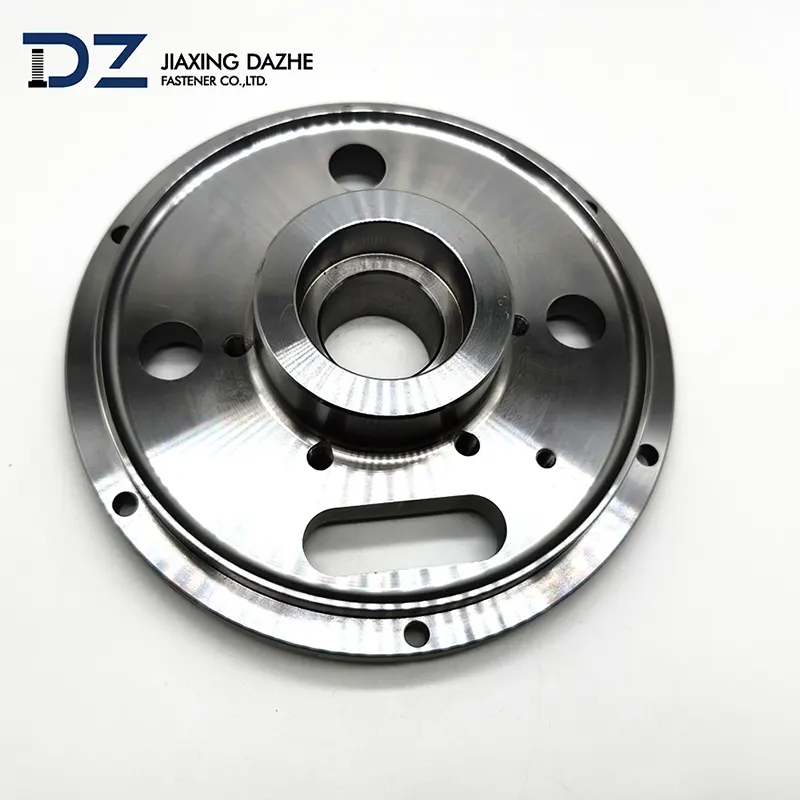
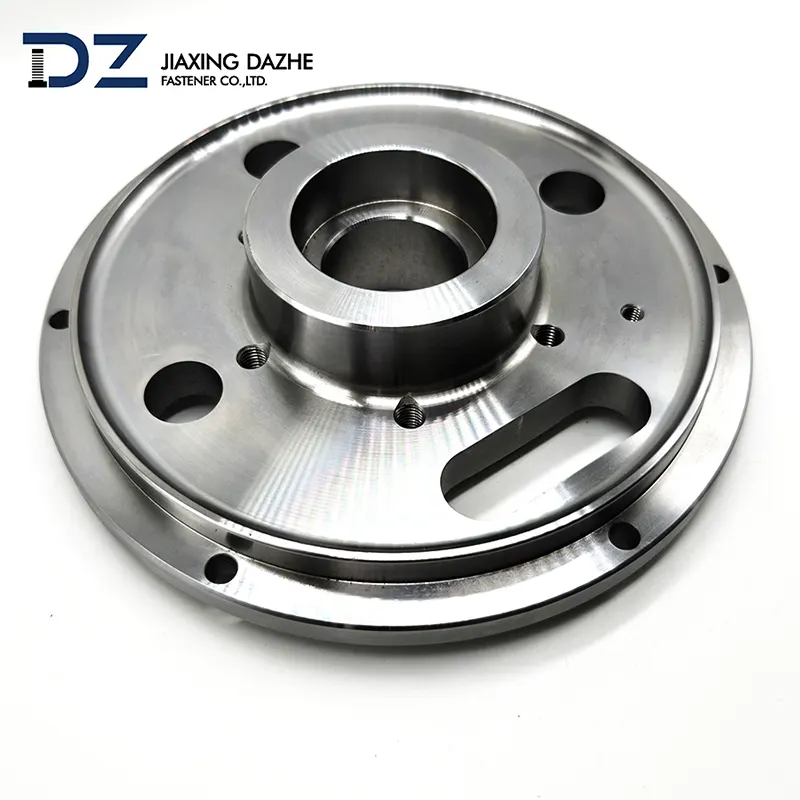
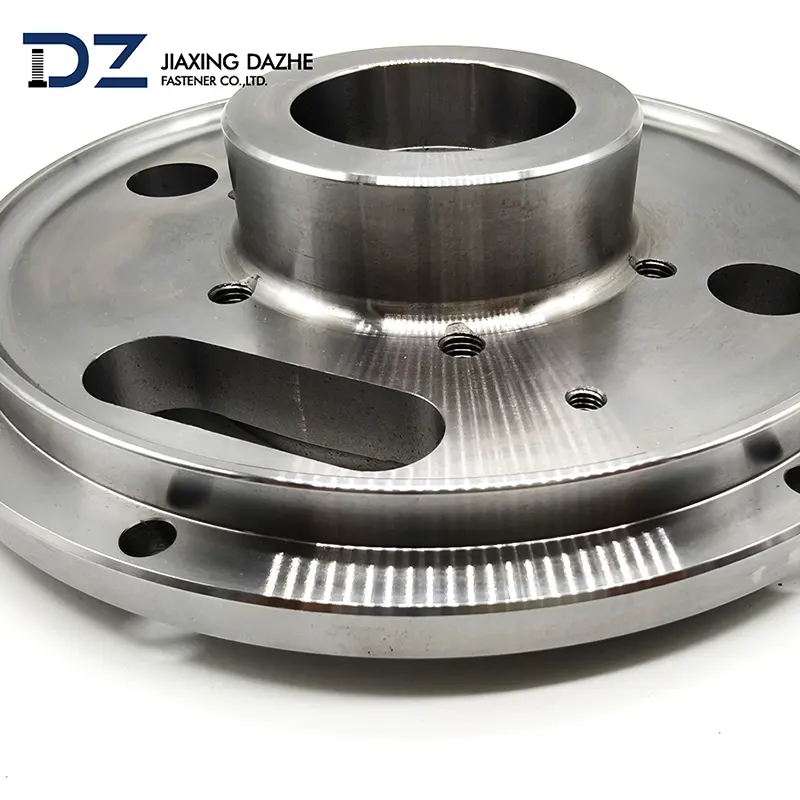
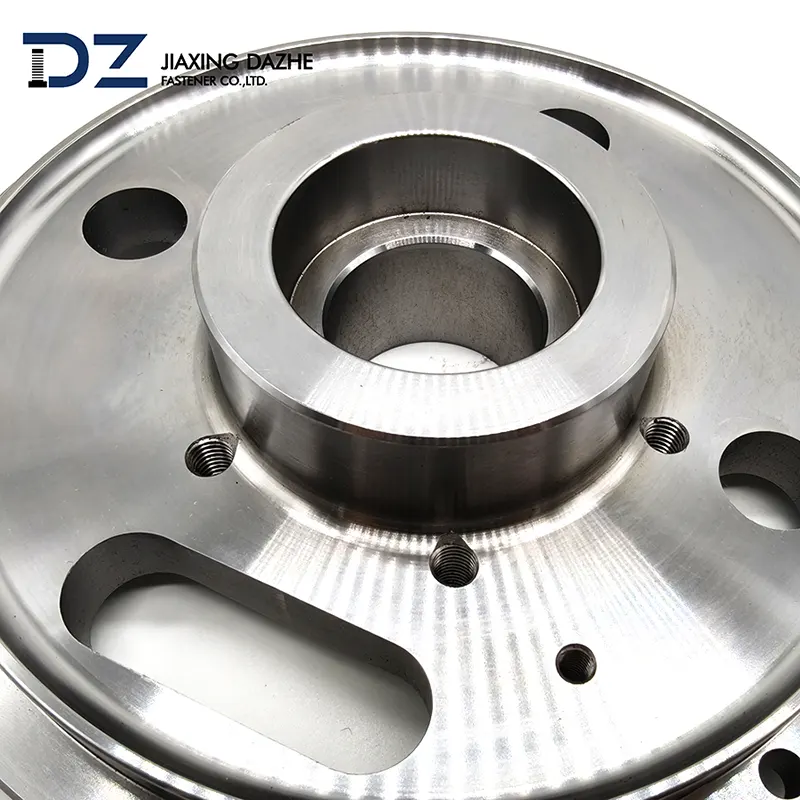
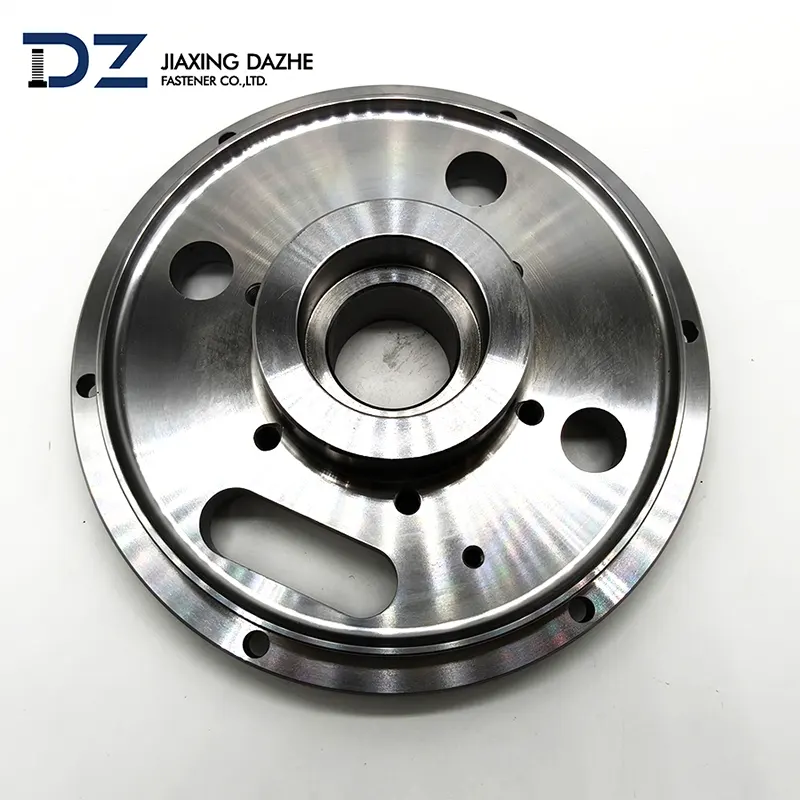
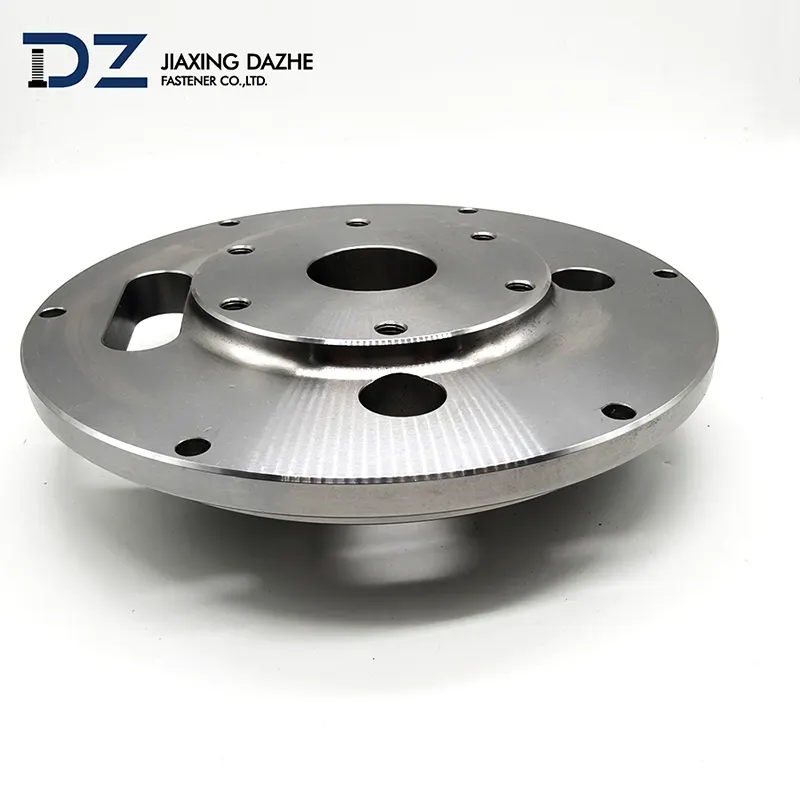
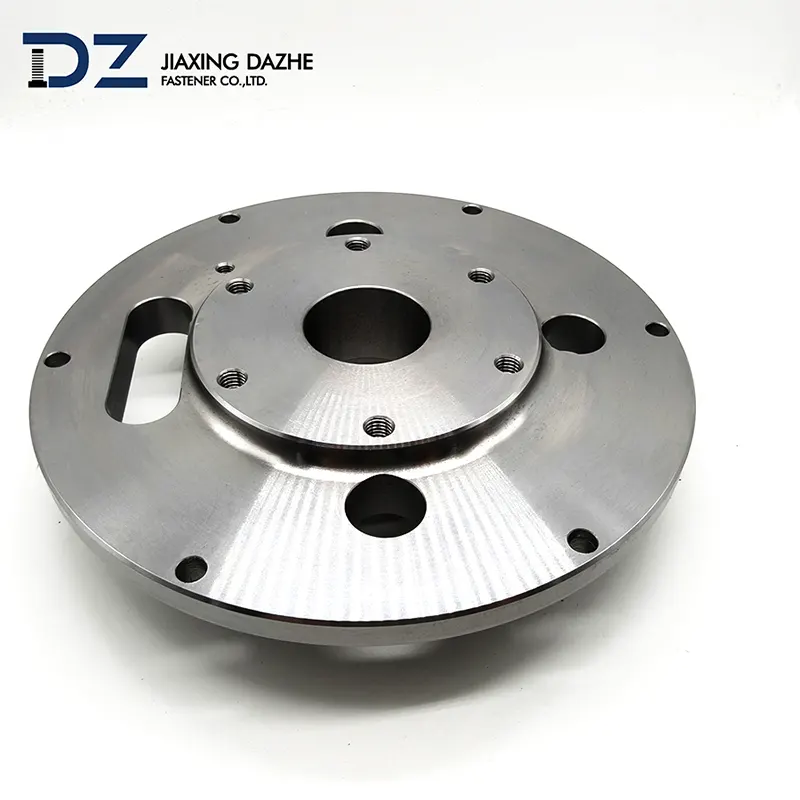
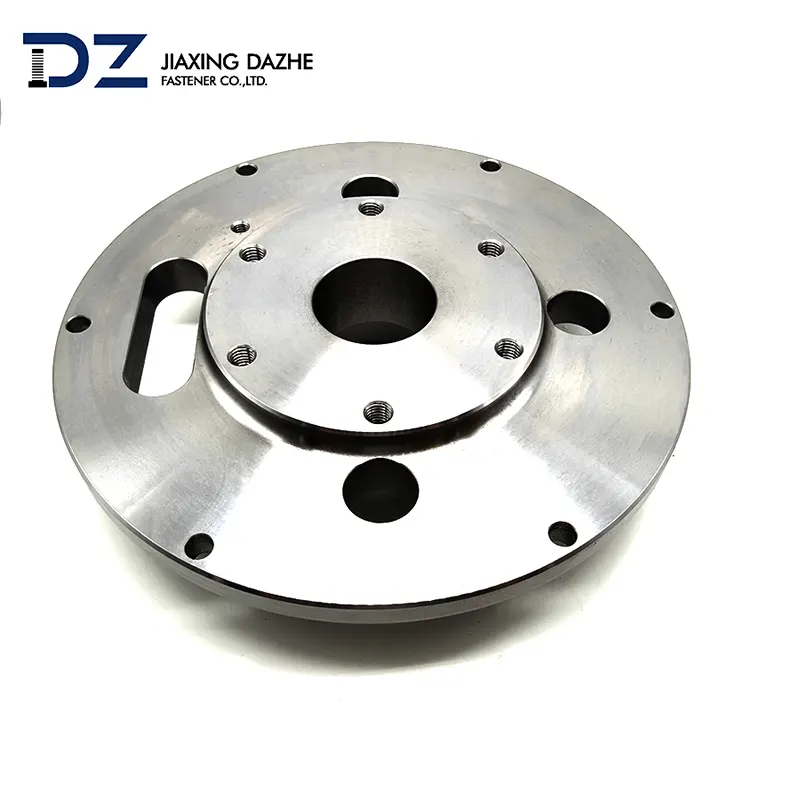
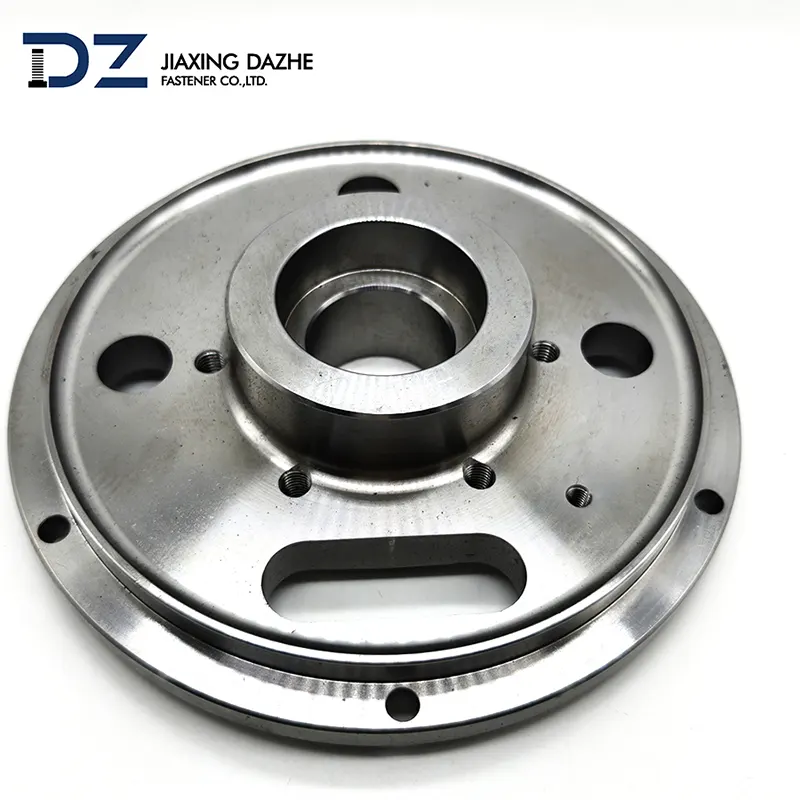
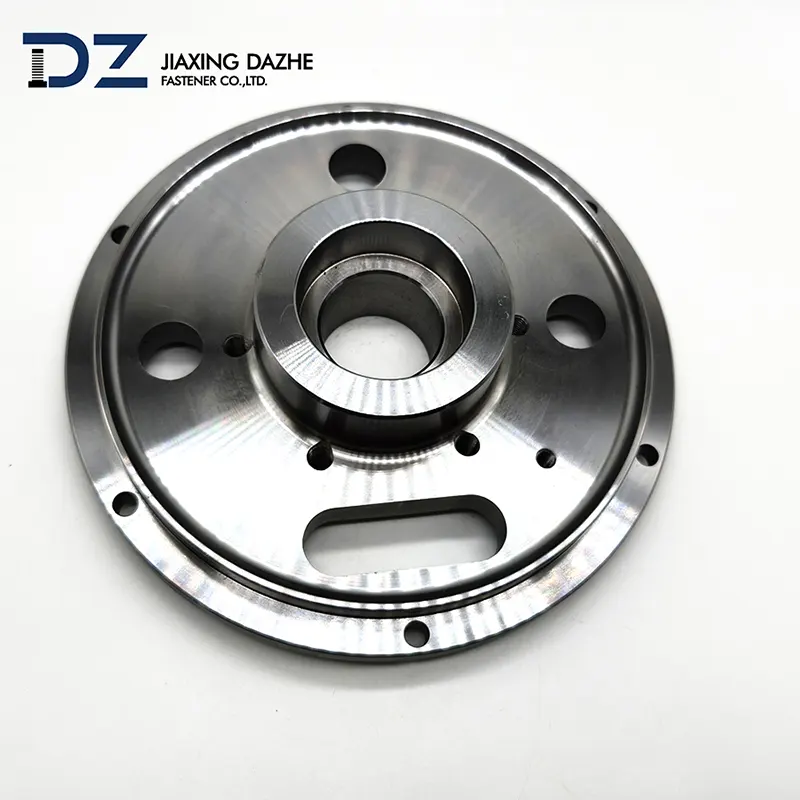
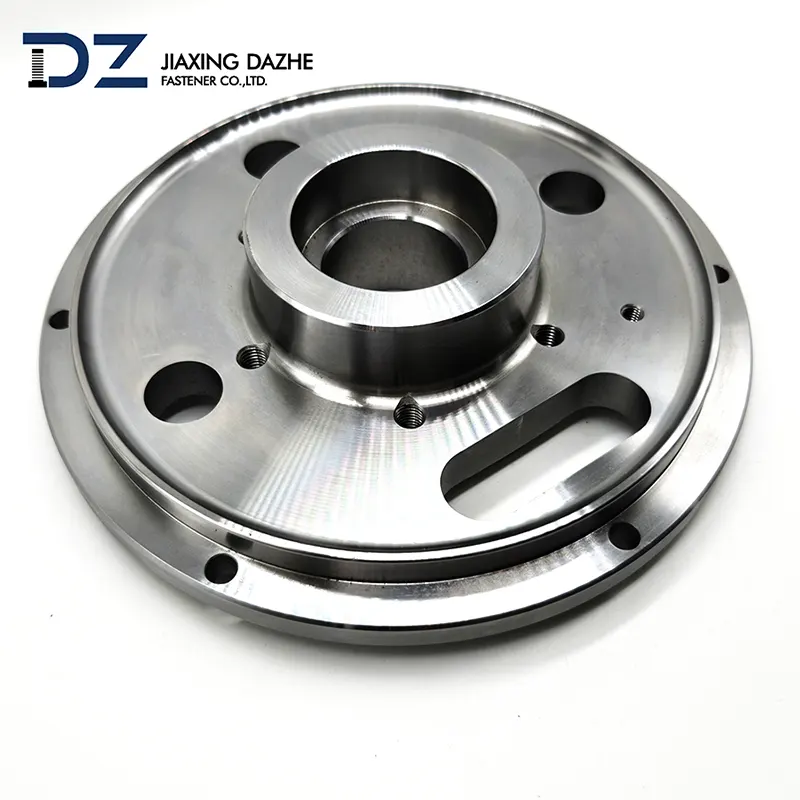
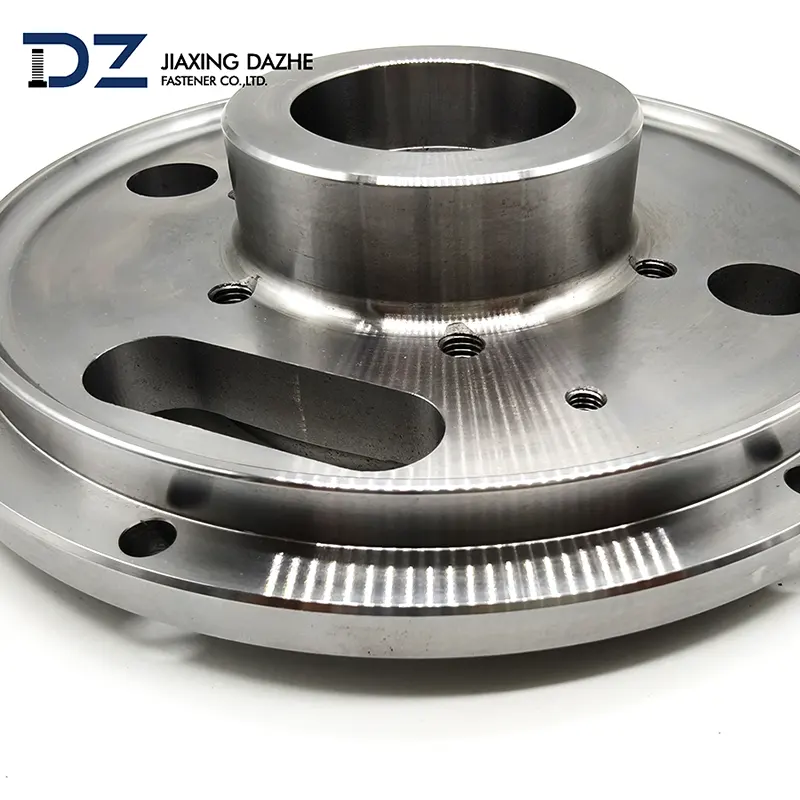
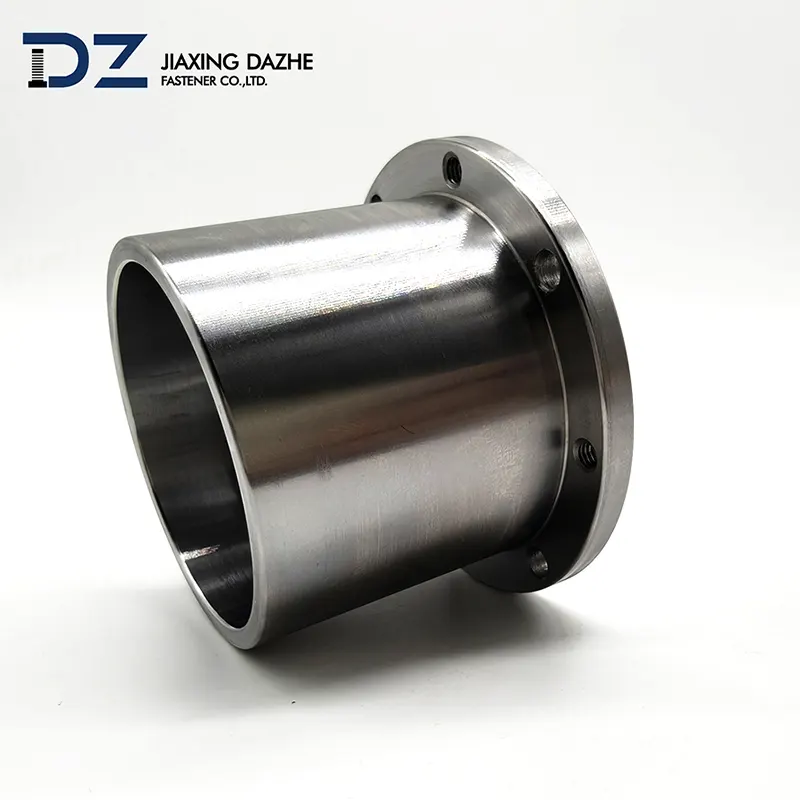
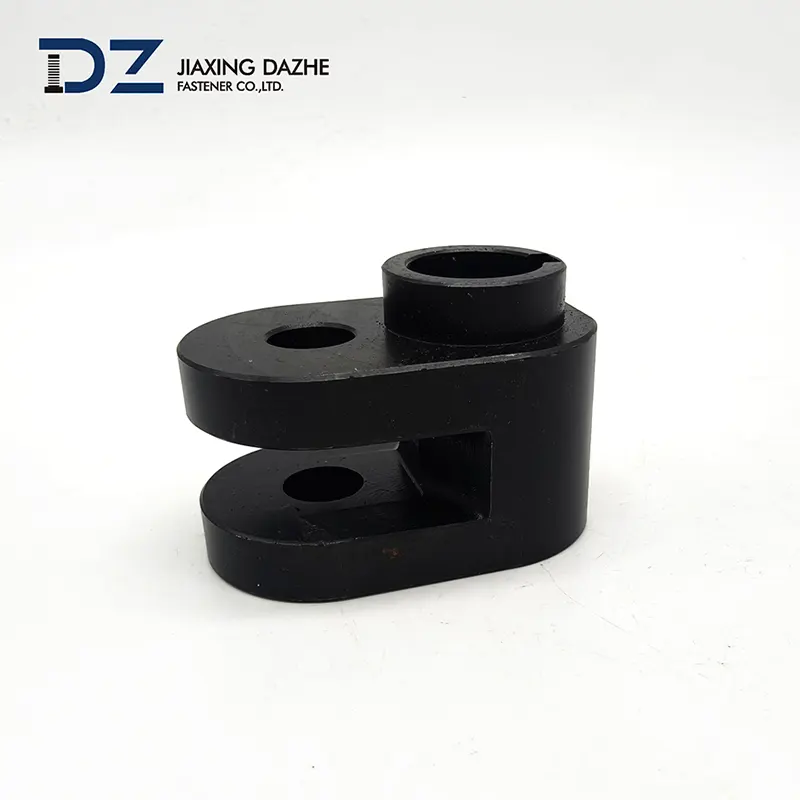
CNC Machined Parts For Conveyor Belts Of Large Mining Machinery
Dazhe Manufacturer, located in Jiaxing, Zhejiang, China, provides high-quality CNC Machined Parts For Conveyor Belts Of Large Mining Machinery, widely used in numerous manufacturing and production industries. Our experienced precision investment casting team is dedicated to providing customers with first-class precision investment casting and product processing services.
Send Inquiry
Product Description
Material Selection
For CNC machined parts of large-scale mine machinery conveyor belts, the core keywords are wear resistance, impact resistance, corrosion resistance, and high strength. Material selection must strictly match the harsh working conditions of mines—high dust, heavy load, frequent start-stop, large temperature difference between day and night, and frequent contact with ore debris, muddy water and other corrosive media. High-strength alloy structural steels such as 45# steel, 40Cr, and 20Mn2 are preferred. After CNC machining, these materials can be heat-treated to increase hardness to HRC40-HRC50, balancing toughness and wear resistance, and are suitable for core force-bearing parts such as conveyor belt drum shafts and idler shafts.
For parts requiring corrosion resistance such as conveyor belt joints and tensioning devices, 304 and 316L stainless steel are selected, which can effectively resist erosion from the humid mine environment and ore chemicals, avoiding part rust that causes conveyor belt jamming and fracture. In addition, some wear-prone parts (such as drum bushings and idler jackets) will use wear-resistant cast iron or polyurethane composite materials. The former ensures dimensional adaptability through CNC precision machining, while the latter reduces friction loss with the conveyor belt by using material characteristics, extending the overall service life of parts and conveyor belts. All materials must meet the strength standards of mine machinery parts to ensure no deformation or fracture under heavy load and impact conditions.
Processing Difficulty
For CNC machined parts of large-scale mine machinery conveyor belts, the core keywords of processing difficulty are large size, high precision, difficult cutting, and deformation control, and the overall processing difficulty is significantly higher than that of ordinary mechanical parts. First, the parts are large in size. For example, the CNC machined parts of conveyor belt drums and large idlers can have a diameter of 1-3 meters and a length of more than 5 meters, which places high requirements on the stroke and load-bearing capacity of CNC machine tools. Large gantry or floor-type CNC machine tools must be selected, and the stability of the machine tool must be accurately controlled during processing to avoid dimensional deviation of parts caused by machine tool vibration. Second, the parts have strict precision requirements. The coaxiality of the drum shaft must be controlled within 0.02mm, and the circular runout of the idler must not exceed 0.03mm. During CNC machining, it is necessary to accurately plan the tool path, select high-precision tools, and use online detection equipment to correct deviations in real time to prevent dimensional over-tolerance from affecting the stable operation of the conveyor belt.
In addition, most of the selected materials are high-strength alloys and wear-resistant cast iron. These materials have high hardness and strong toughness, resulting in fast tool wear, large cutting force, and easy generation of built-up edge during cutting. It is necessary to optimize cutting parameters, select special wear-resistant tools, and do a good job in cooling and lubrication during processing to reduce tool loss and part processing deformation. At the same time, some parts have complex structures, such as the special-shaped connectors of the conveyor belt tensioning device, which have the processing needs of multiple curved surfaces and multiple holes. The CNC programming difficulty is high, and it is necessary to optimize the programming scheme in combination with the part structure to ensure the smooth connection of each processing surface, avoid defects such as burrs and steps, and further increase the processing difficulty.
Application Scope
Our CNC machined parts of large-scale mine machinery conveyor belts have core keywords in the application scope: full process of mine transportation, adaptation to multiple working conditions, and support of core components. They are widely used in the conveyor belt transportation systems of various large-scale mines (coal mines, metal mines, non-metallic mines), covering all core links of conveyor belt operation. In coal mining, CNC machined drum shafts, idlers, and tensioning device parts are used for coal transportation underground and on the ground, adapting to high dust and high humidity working conditions, ensuring continuous and efficient coal transportation, and avoiding production suspension due to part failures. In metal mines (iron ore, copper ore, etc.), wear-resistant CNC machined parts (such as drum bushings, conveyor belt joint accessories) can resist the impact and wear of ore debris, adapt to high-strength and high-load transportation needs, and ensure the stable transportation of ore from the mining site to the sorting workshop.
In non-metallic mines (limestone, gypsum mines, etc.), corrosion-resistant and anti-aging CNC machined parts are suitable for the harsh environment of open-pit mines, can withstand temperature changes between day and night and rain erosion, and extend the service life of the conveyor belt system. In addition, such CNC machined parts are also used in the maintenance and transformation of mine conveyor belts, such as replacing worn idlers and repairing deformed drum shafts. Through precision CNC machining, the adaptability of accessories to the original equipment is ensured, and the equipment maintenance cost is reduced. At the same time, with the intelligent upgrading of mines, high-precision sensor mounting seats and adjustment mechanism parts processed by CNC are also widely used in the intelligent monitoring and automatic adjustment system of conveyor belts, improving the intelligence level of mine transportation.
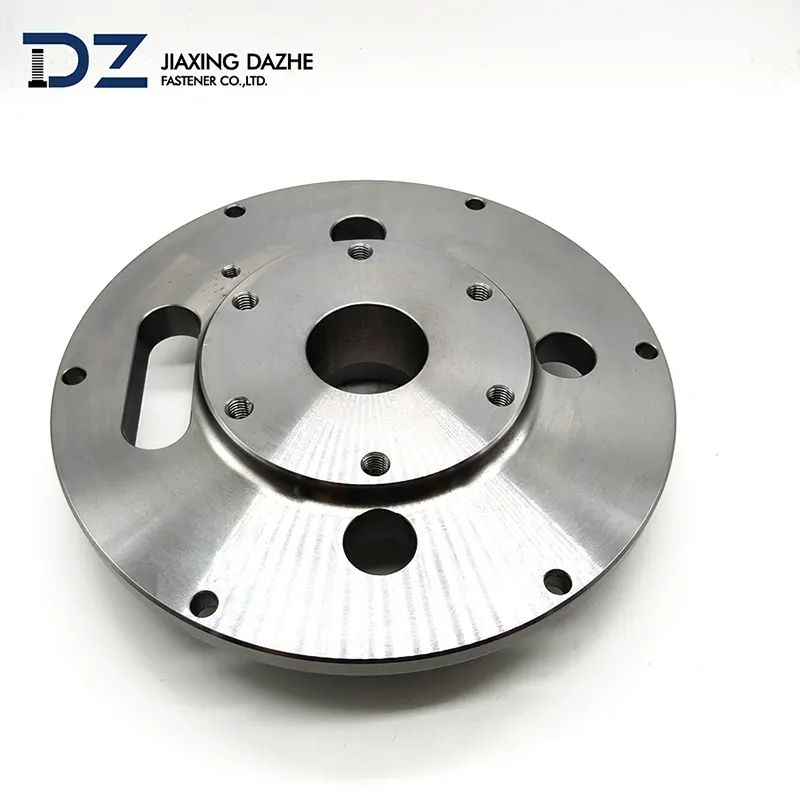
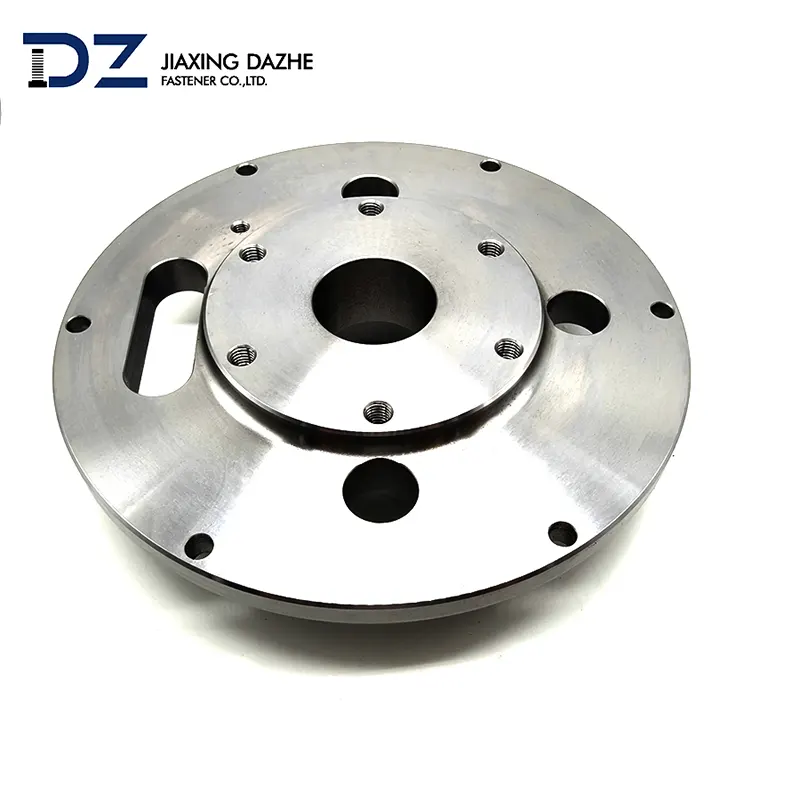
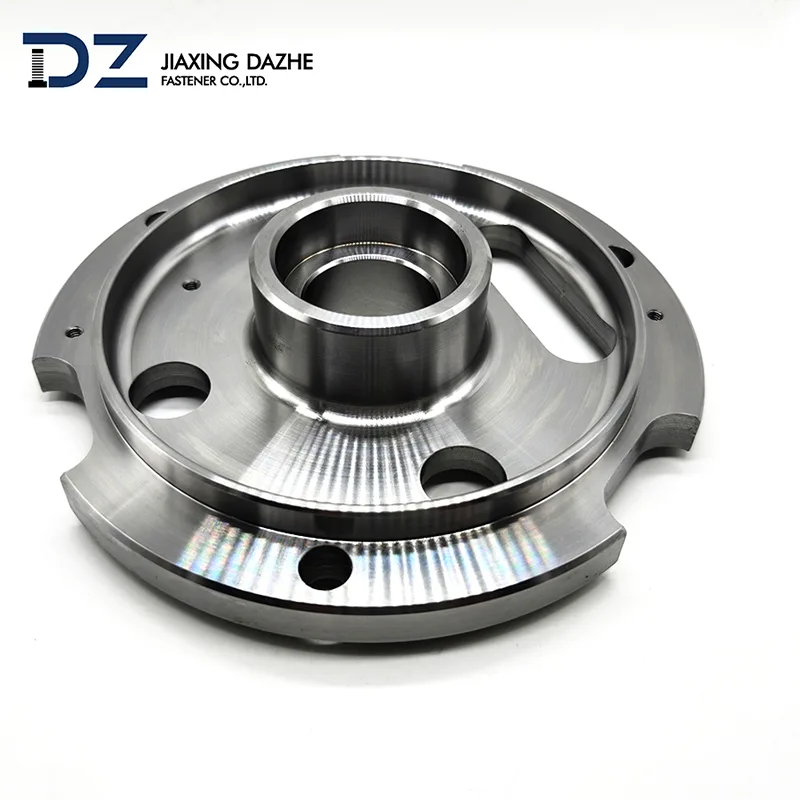
Hot Tags: CNC Machined Parts For Conveyor Belts Of Large Mining Machinery
Related Categories
Send Inquiry
Please feel free to fill your inquiry in the form below. We will reply you in 24 hours.

X
We use cookies to offer you a better browsing experience, analyze site traffic and personalize content. By using this site, you agree to our use of cookies.
Privacy Policy