 English
 Español
  Português
  русский
  Français
  日本語
日本語  Deutsch
  tiếng Việt
  Italiano
  Pilipino
  Türkçe
  Gaeilge
  العربية
  český
český  ภาษาไทย
  한국어
한국어  Malay
Malay  বাংলা ভাষার
  Dansk
Dansk  Suomi
Suomi 
Home
>
Products > CNC Machining
> CNC Machining Parts
>
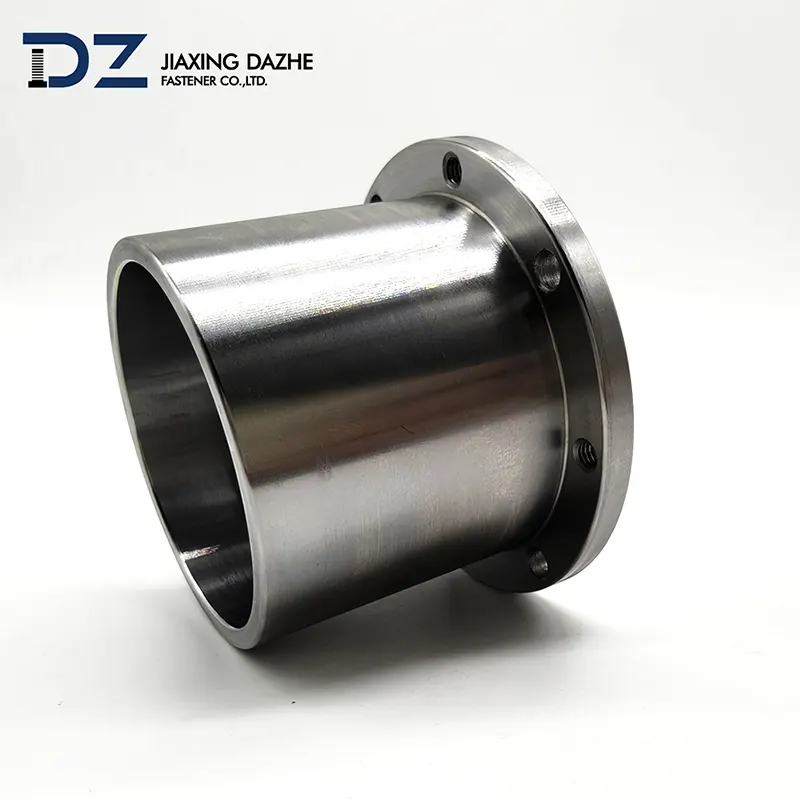
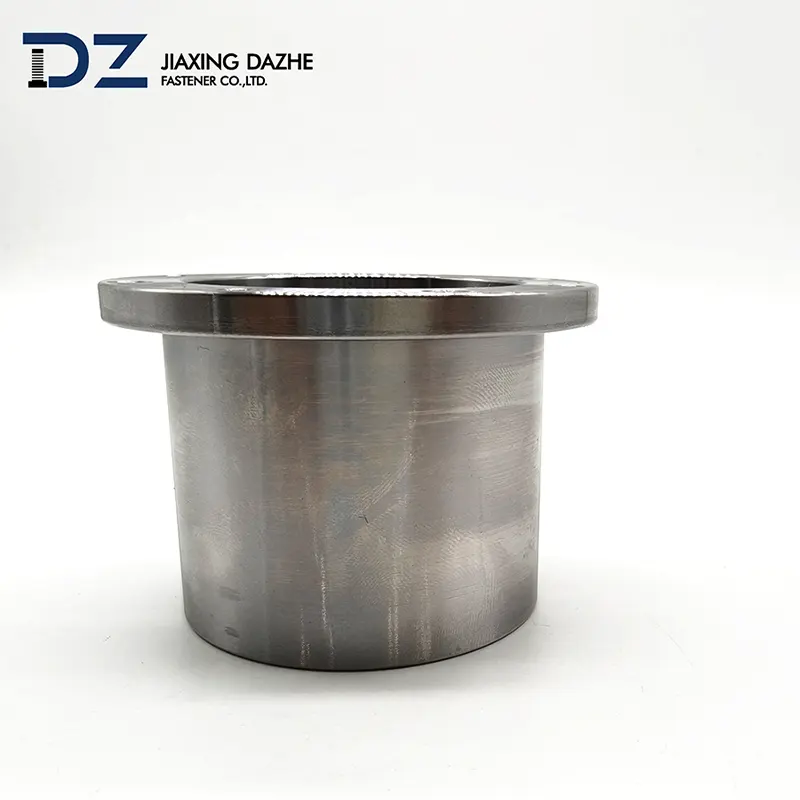
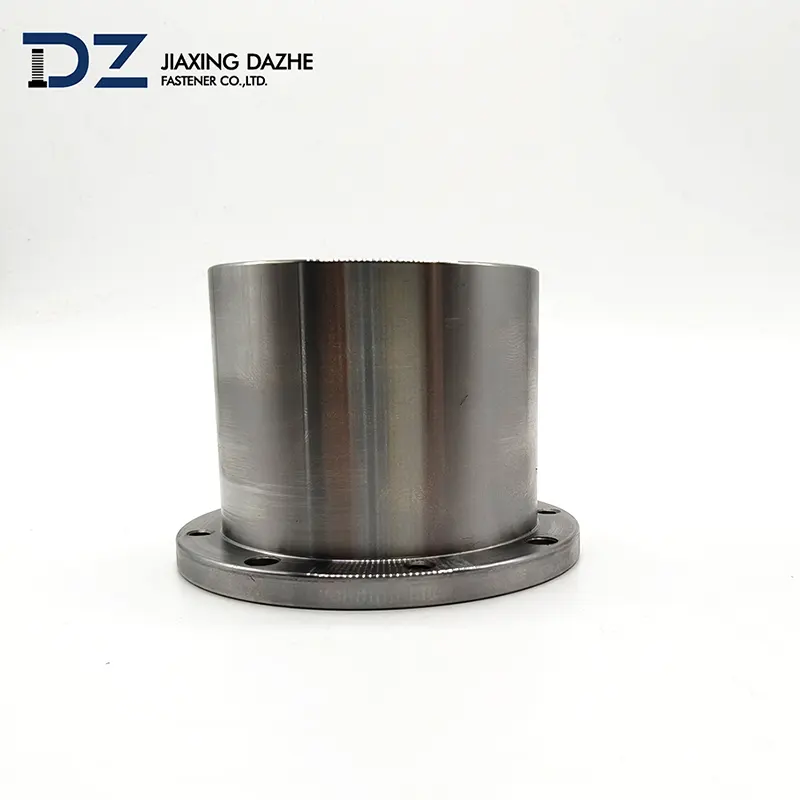
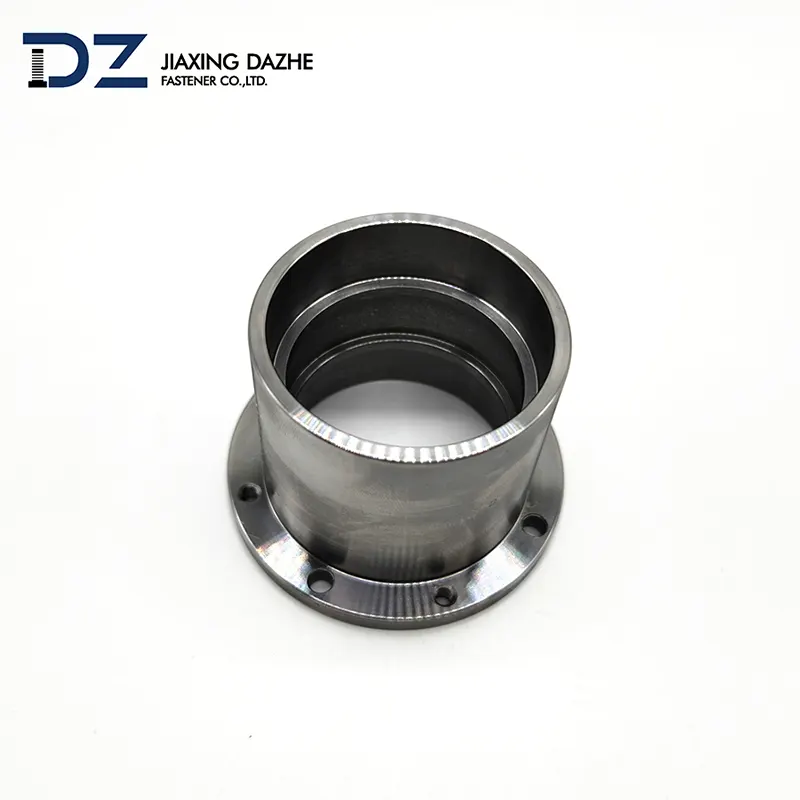
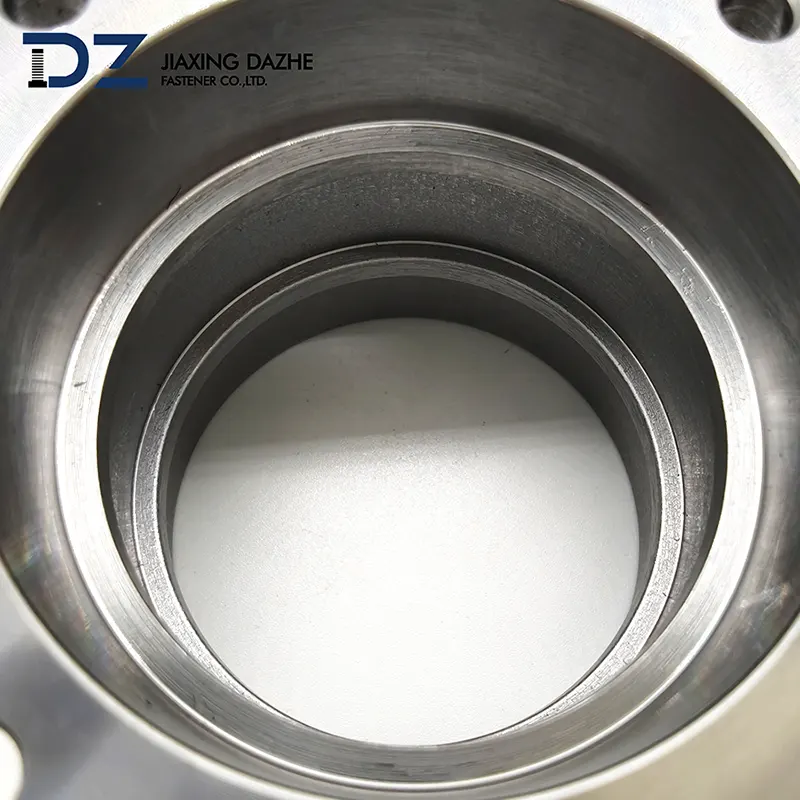
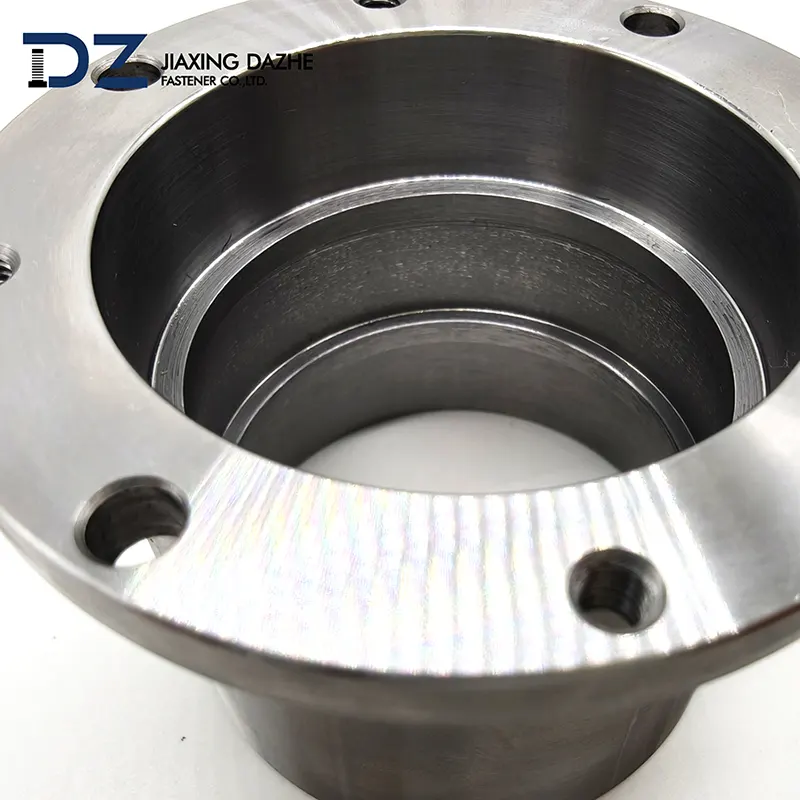
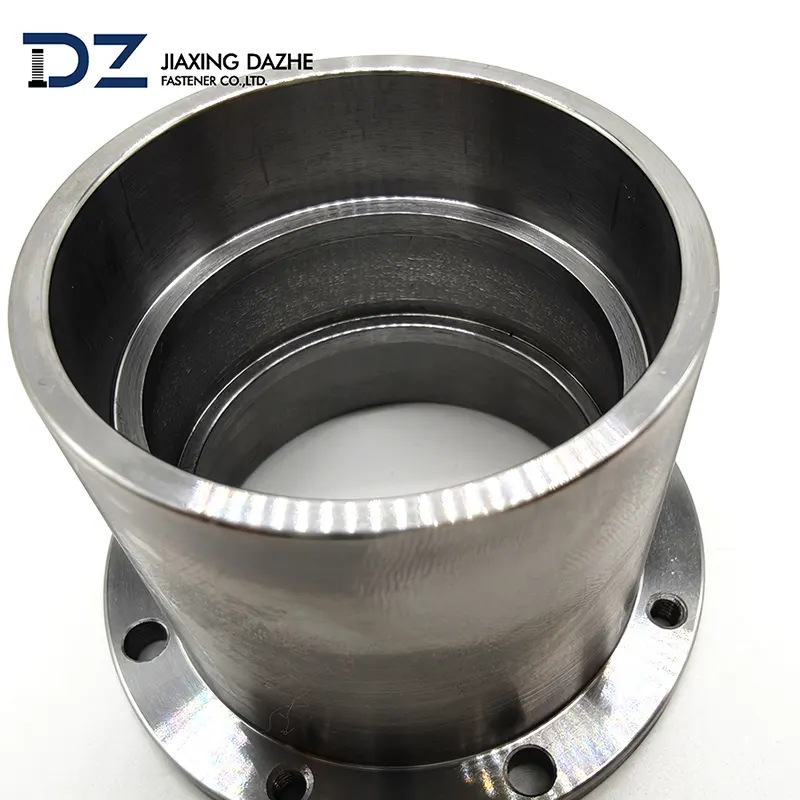
CNC Machined Parts For Chemical Industry Seals
Products


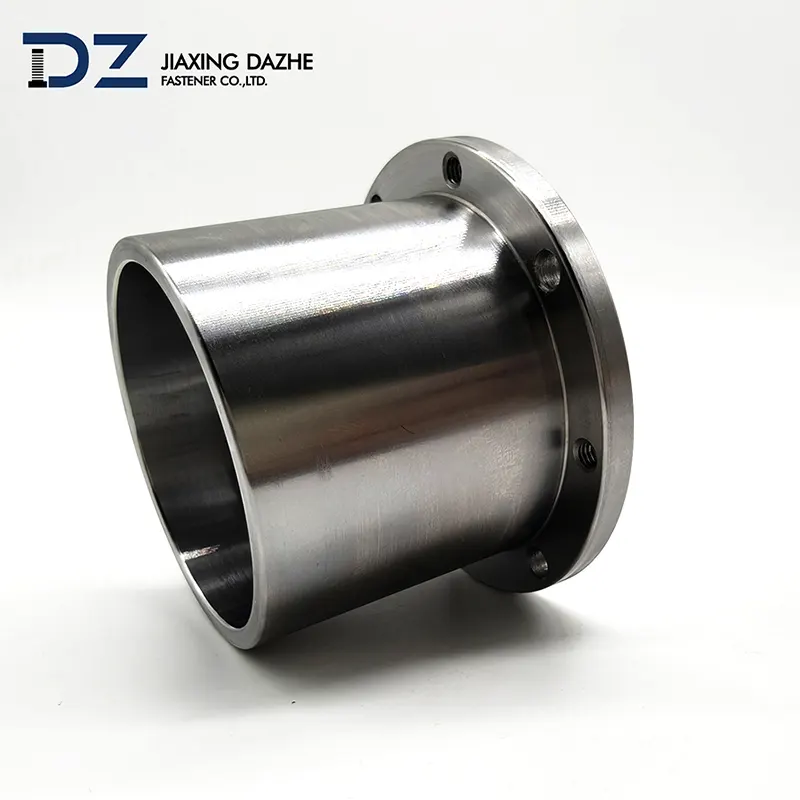
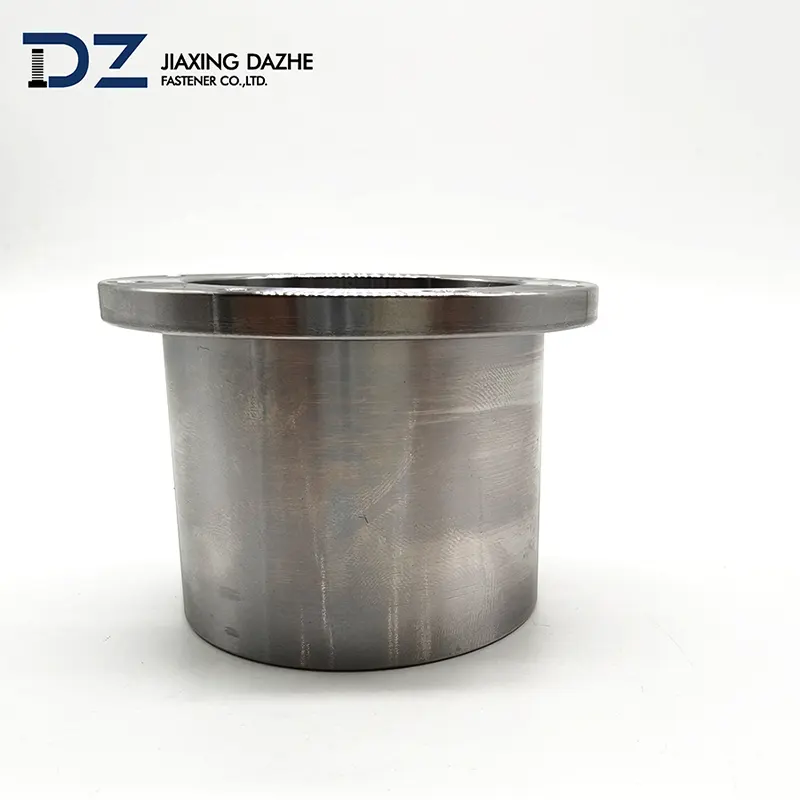
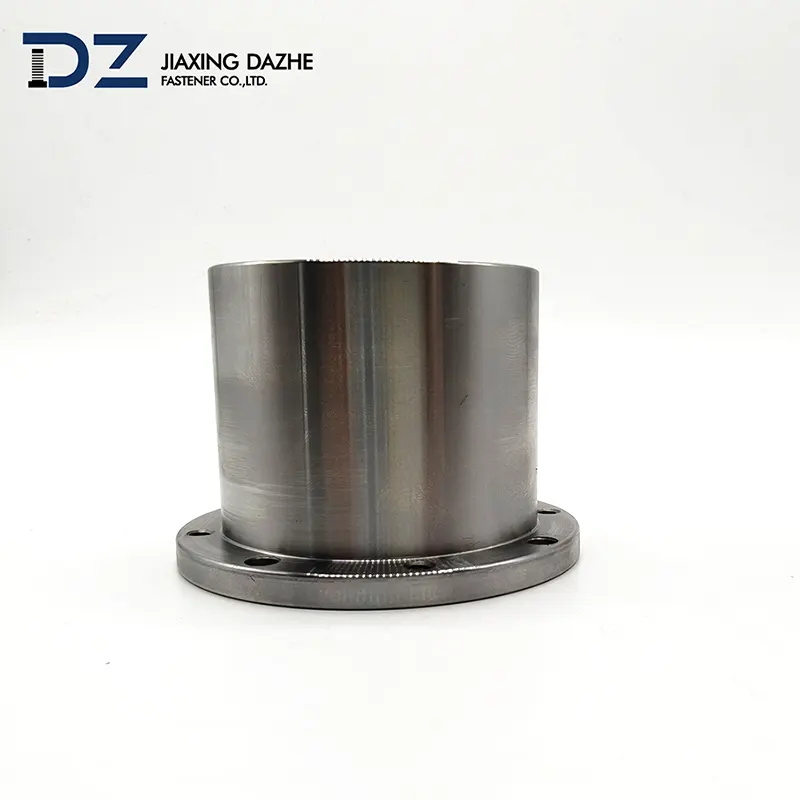
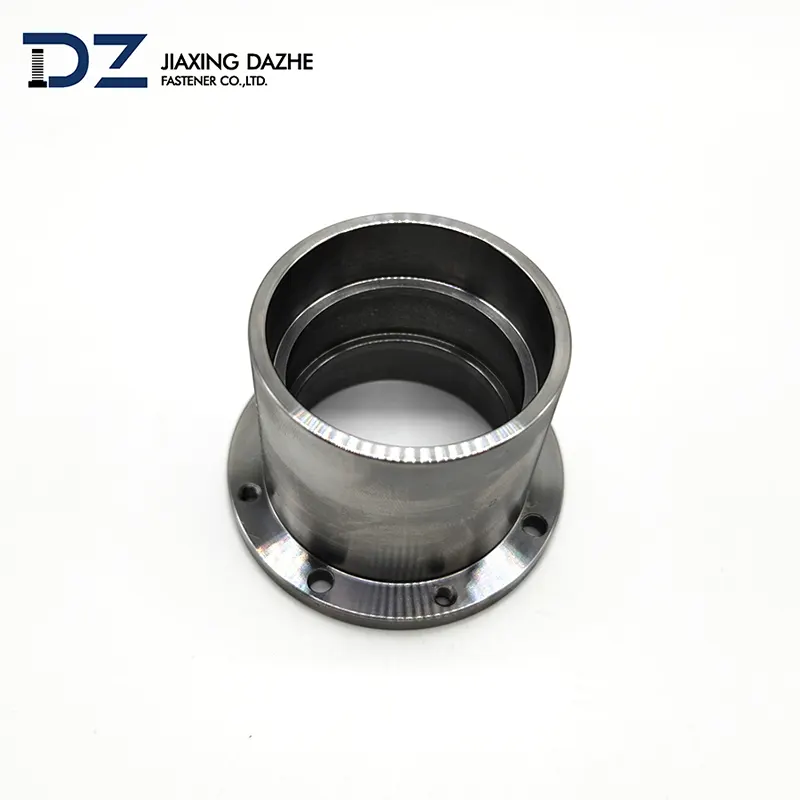
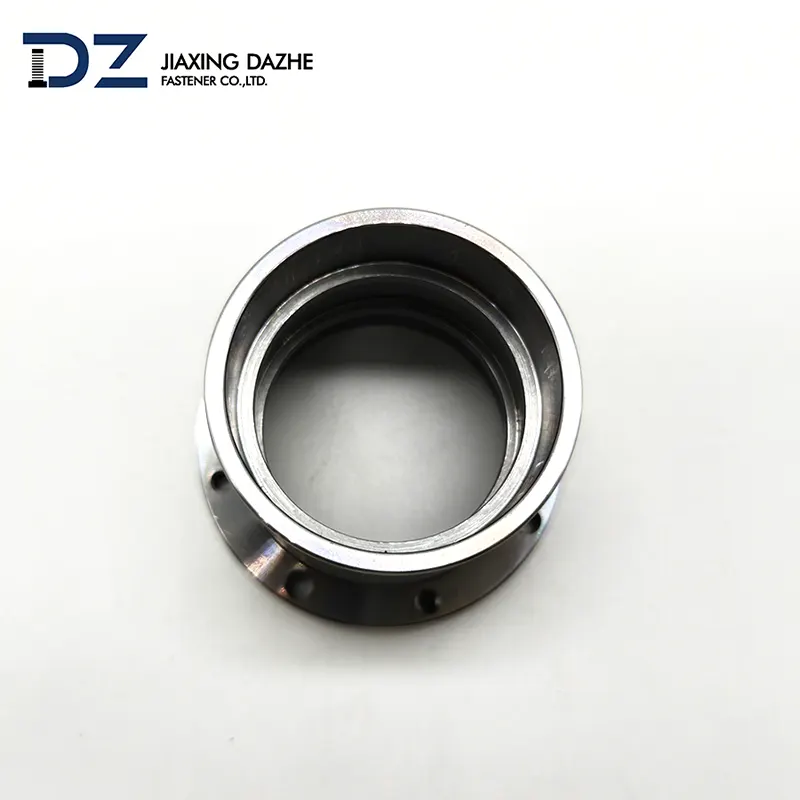
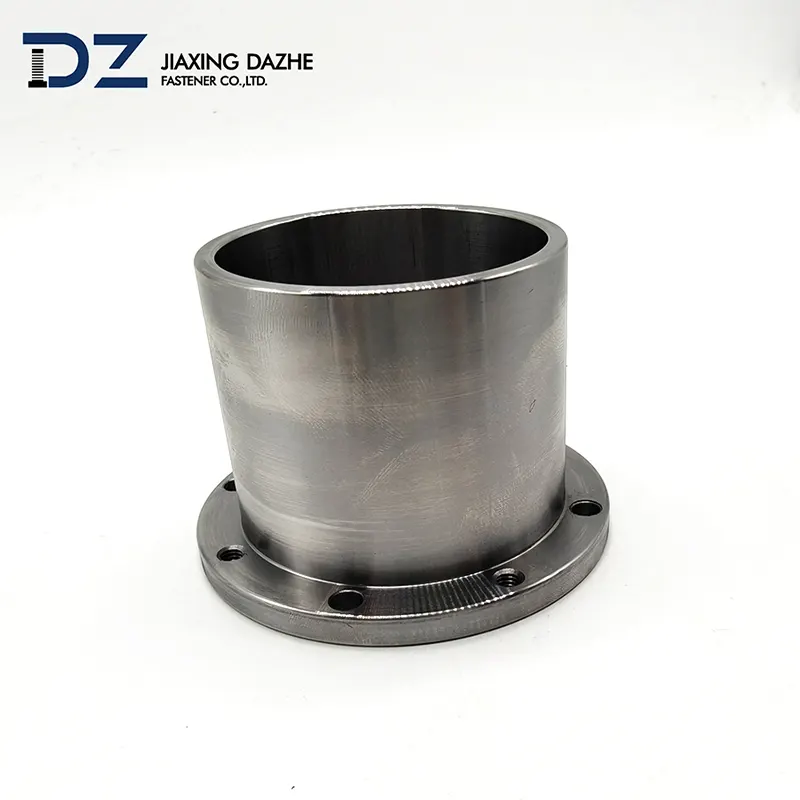
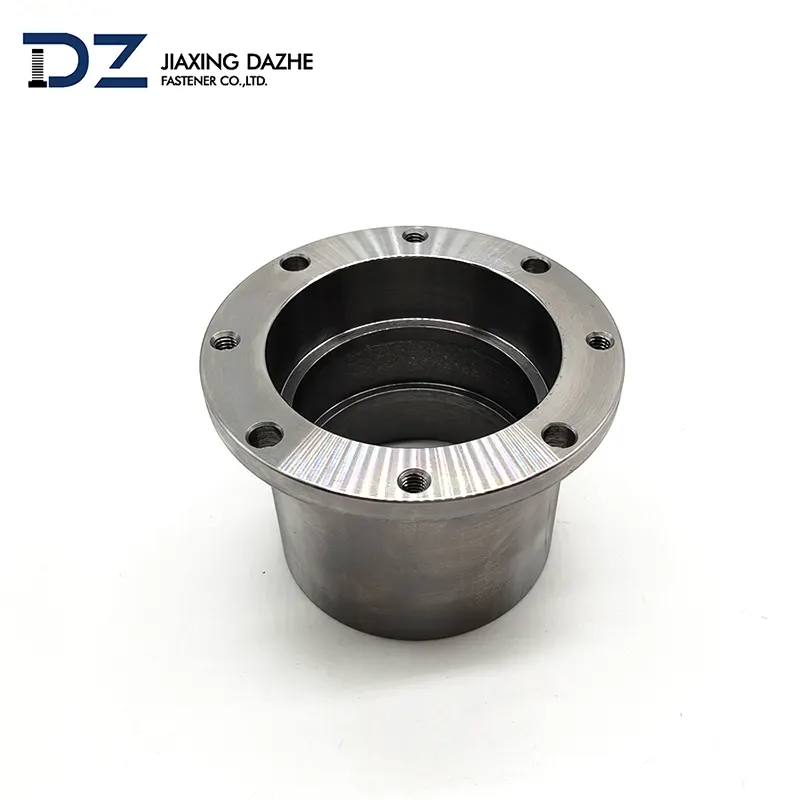
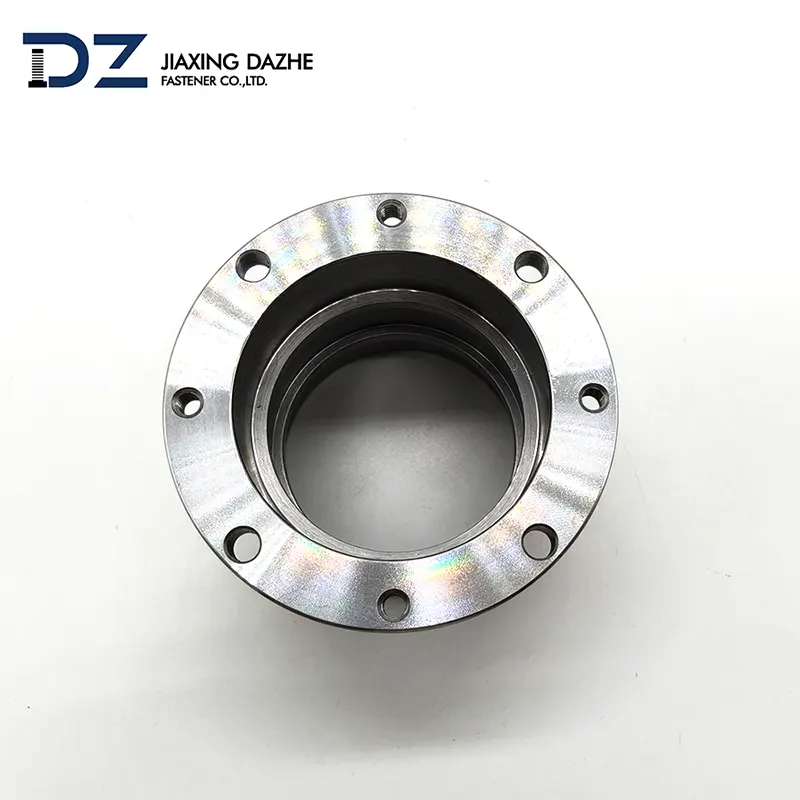
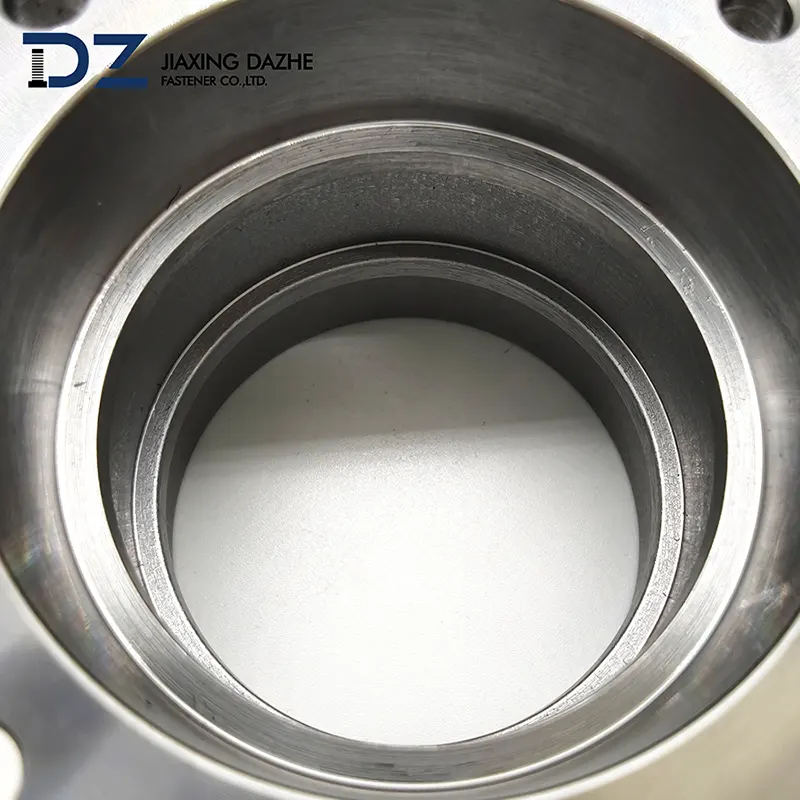
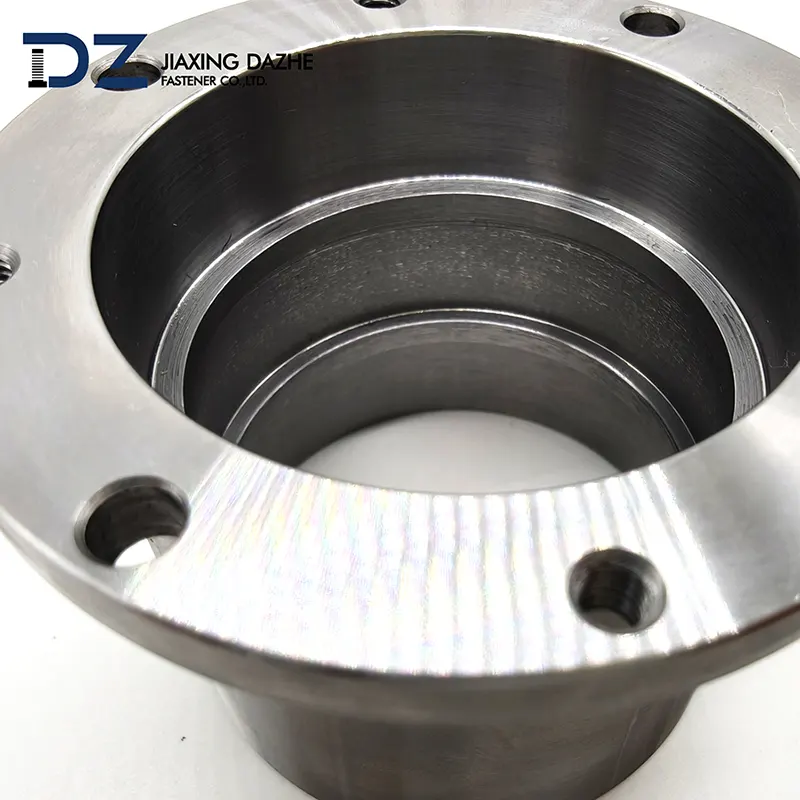
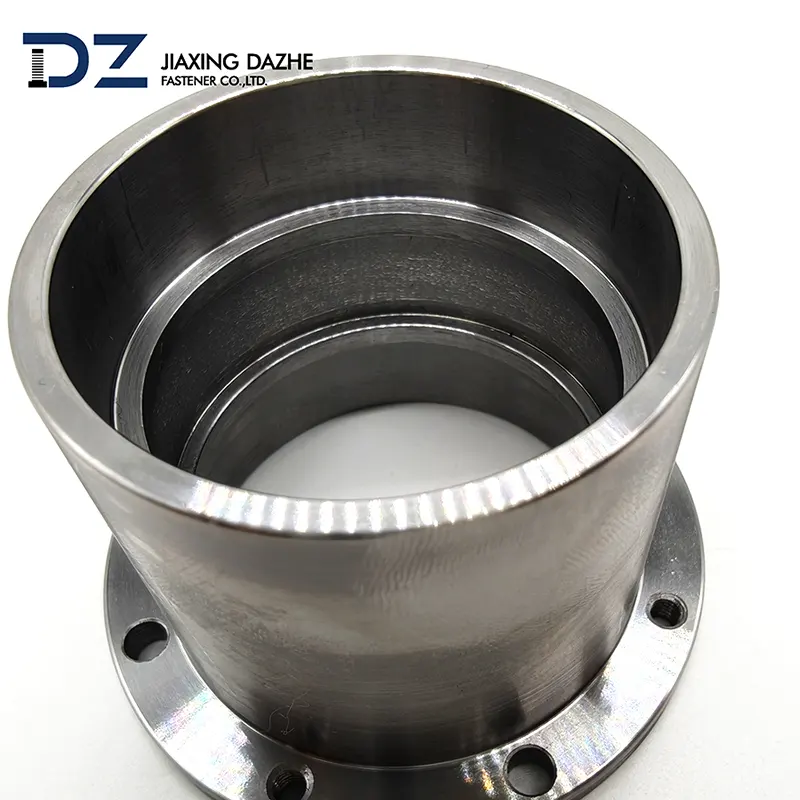
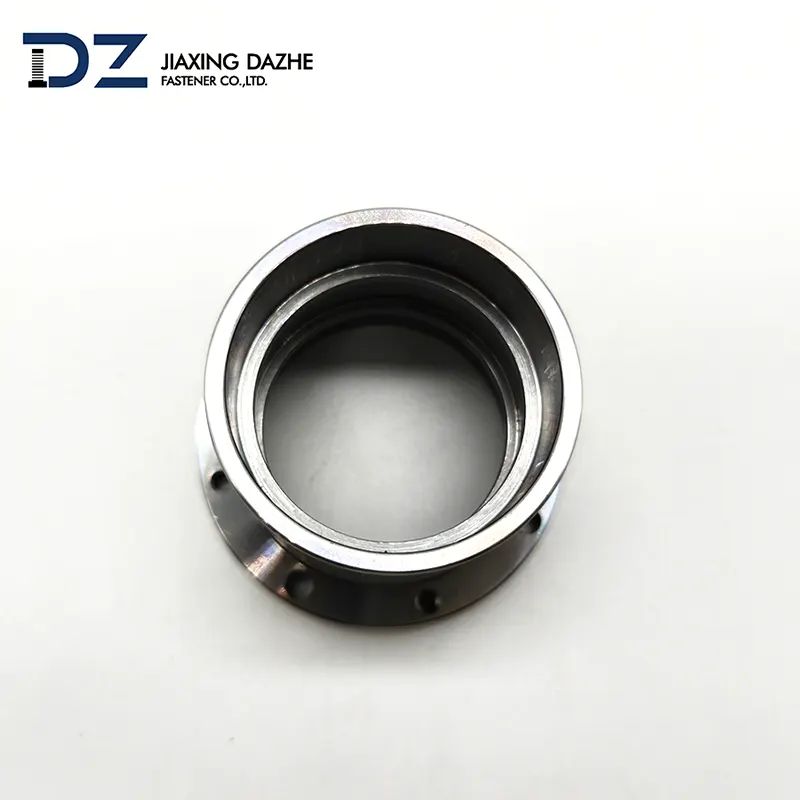
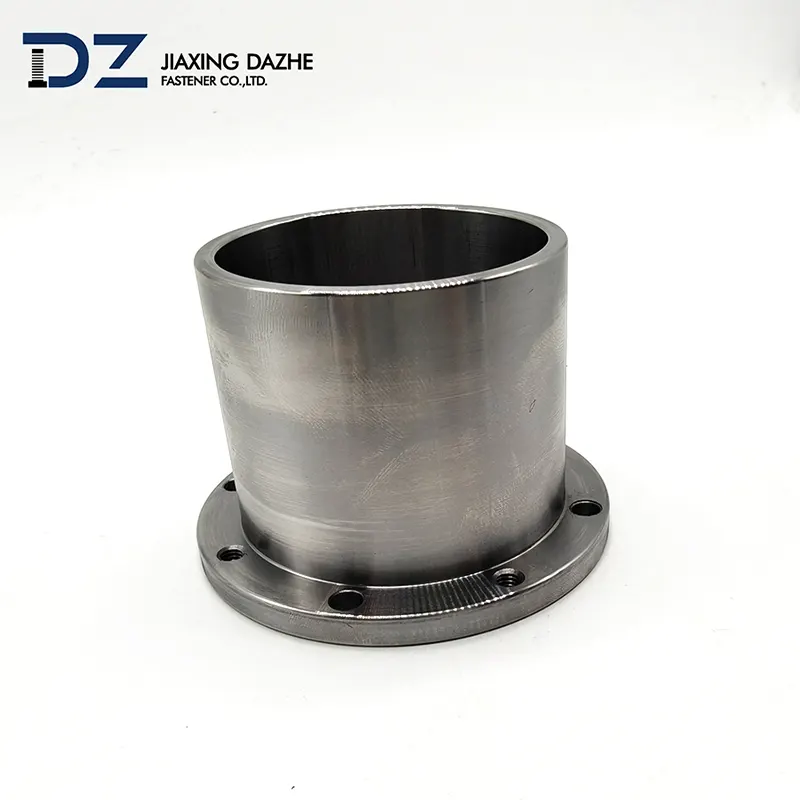
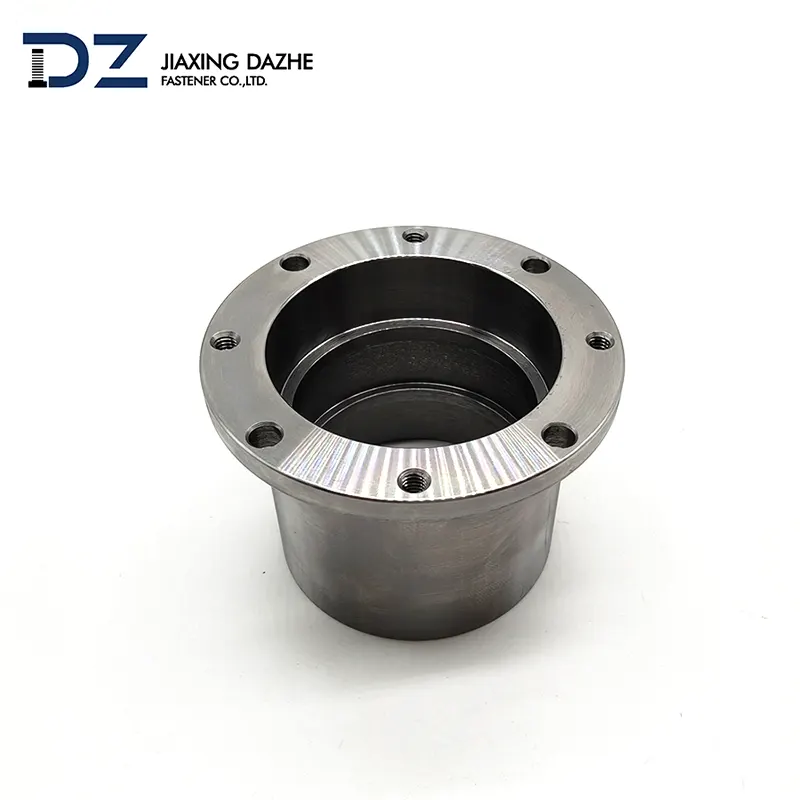
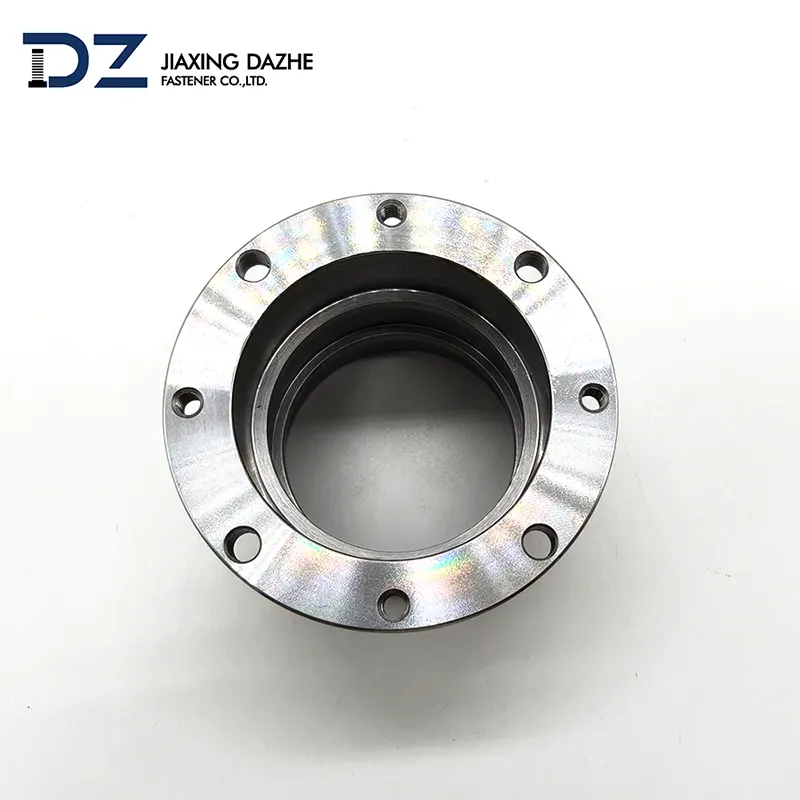
CNC Machined Parts For Chemical Industry Seals
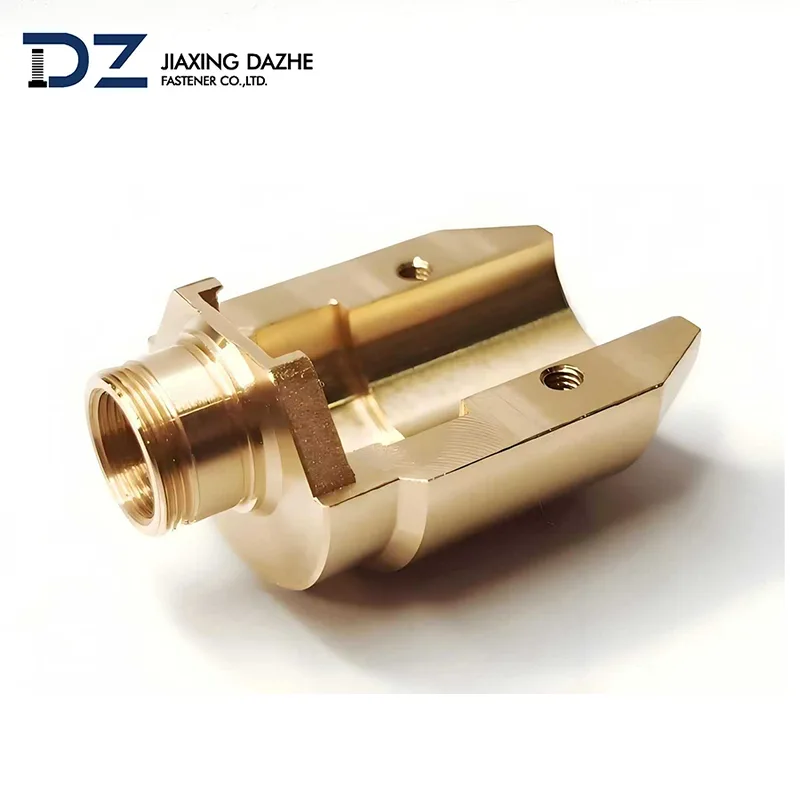
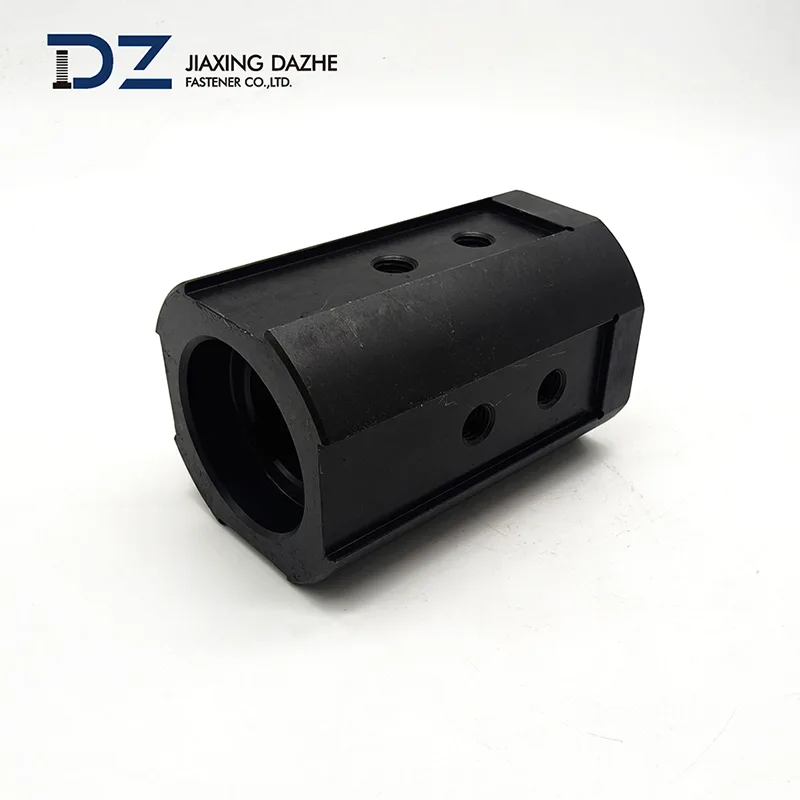
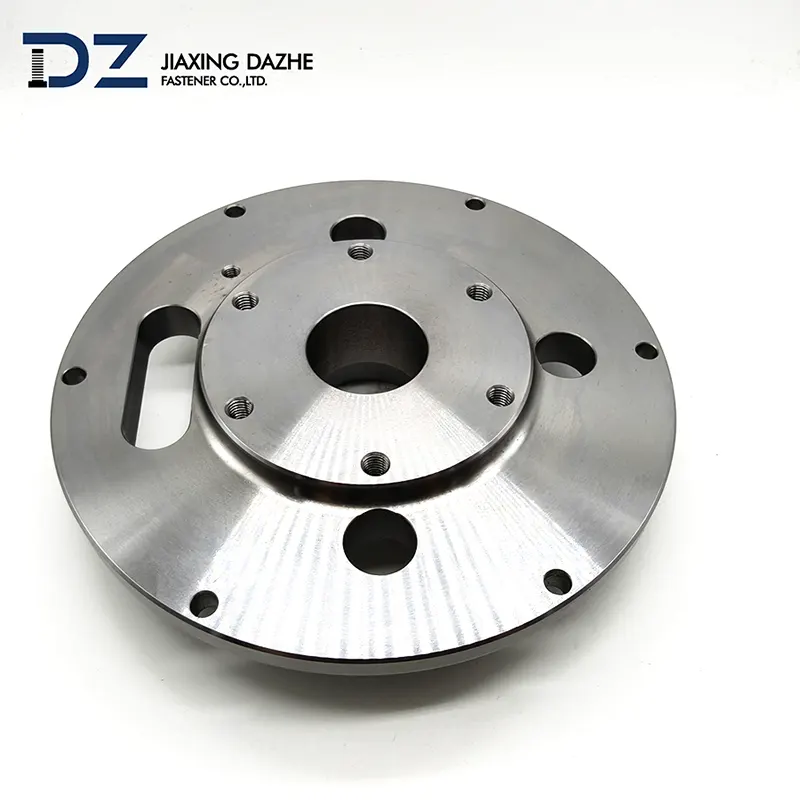
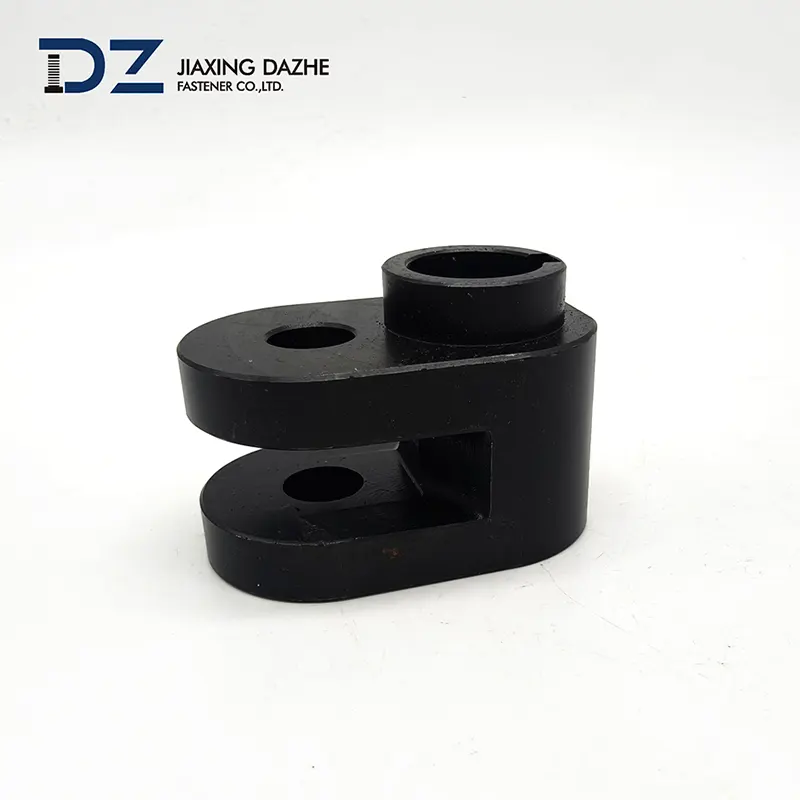
Dazhe fastener is a manufacturer and supplier specializing in CNC Machined Parts For Chemical Industry Seals, located in Jiaxing, China. We've been doing this since 2010, so it's been over 15 years now. Our services are very convenient, a one-stop shop. We can handle everything from designing to delivering the finished product to you, all to ensure that our clients' needs are met in the best way.Welcome to contact us!
Send Inquiry
Product Description
1. Common Materials for CNC Machined Parts on Chemical Seals
CNC machined parts for chemical seals are widely used in high-temperature, high-pressure, and corrosive media working conditions, and their materials must meet strict corrosion resistance, high-temperature resistance, wear resistance, and mechanical stability requirements. Typical metallic materials include stainless steel 304, 316L, 2205 duplex stainless steel, and Hastelloy C276, which are selected for their excellent pitting resistance, crevice corrosion resistance, and long-term stability in acid, alkali, salt, and organic solvent environments. Non-metallic and engineering materials mainly include PTFE, PEEK, graphite, and carbon fiber reinforced composites.
PTFE is characterized by low friction coefficient, excellent chemical inertness, and wide temperature adaptability, making it the preferred material for static and dynamic sealing components. PEEK features high strength, high rigidity, fatigue resistance, and high-temperature resistance, suitable for high-load and high-speed sealing structures. Each material must match the medium, temperature, pressure, and movement form of the sealing system to ensure the overall performance and service life of CNC machined sealing parts.
2. Technical Requirements of CNC Machining for Chemical Sealing Parts
CNC machining of chemical sealing parts has strict technical requirements centered on dimensional accuracy, surface quality, geometric tolerance, and sealing reliability. Key dimensional tolerances are usually controlled within IT6–IT7 precision levels, and the matching surface roughness must reach Ra0.8–Ra0.4μm to ensure effective fit and reduce leakage risk. Geometric tolerances including cylindricity, roundness, perpendicularity, and flatness are strictly restricted to avoid assembly deviation and uneven stress.
All CNC machined surfaces must be free of burrs, cracks, tool marks, and pores, and deburring, cleaning, and passivation or surface treatment are required to meet hygienic and anti-corrosion standards. For sealing mating surfaces, non-destructive testing such as dimensional inspection, hardness testing, and pressure testing is required to verify compliance with design and working conditions. Technical requirements also include material consistency, processing traceability, and assembly interchangeability to ensure stable performance under extreme working conditions.
3. Processing Difficulties in CNC Machining of Chemical Sealing Components
CNC machining of chemical sealing parts faces many difficulties due to special materials, high precision, and complex structures. First, difficult-to-machine materials such as Hastelloy, PEEK, and PTFE have high hardness, high toughness, or low thermal conductivity, which cause severe tool wear, chip adhesion, and machining deformation, requiring special tools, cooling systems, and optimized cutting parameters. Second, thin-walled structures, small grooves, and narrow sealing surfaces are prone to chatter, deformation, and dimensional drift during CNC machining, which places high demands on tool path planning, clamping methods, and machining stability.
In addition, high-precision surface and tolerance requirements make it difficult to achieve one-time forming, often requiring semi-finishing, finishing, and even grinding processes, increasing processing difficulty and cost. Complex 3D curved surfaces and special-shaped sealing structures require high-performance CNC equipment and professional programming capabilities, and any minor deviation may lead to seal failure. Therefore, CNC machining of chemical sealing parts is a comprehensive challenge of material characteristics, precision control, and process technology.
Hot Tags: CNC Machined Parts For Chemical Industry Seals
Related Categories
Send Inquiry
Please feel free to fill your inquiry in the form below. We will reply you in 24 hours.

X
We use cookies to offer you a better browsing experience, analyze site traffic and personalize content. By using this site, you agree to our use of cookies.
Privacy Policy