 English
 Español
  Português
  русский
  Français
  日本語
日本語  Deutsch
  tiếng Việt
  Italiano
  Pilipino
  Türkçe
  Gaeilge
  العربية
  český
český  ภาษาไทย
  한국어
한국어  Malay
Malay  বাংলা ভাষার
  Dansk
Dansk  Suomi
Suomi 
Products


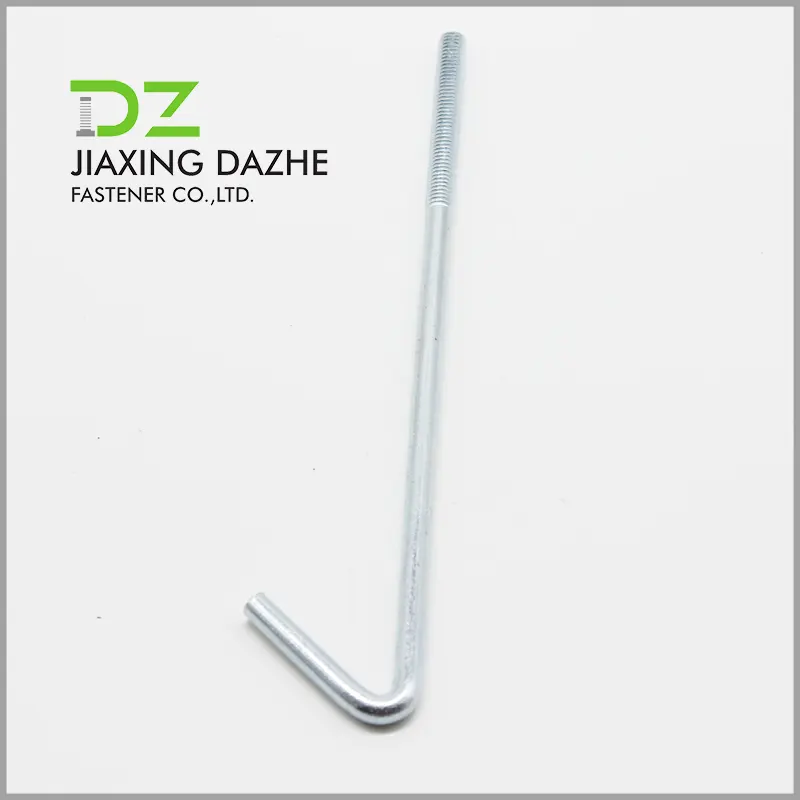
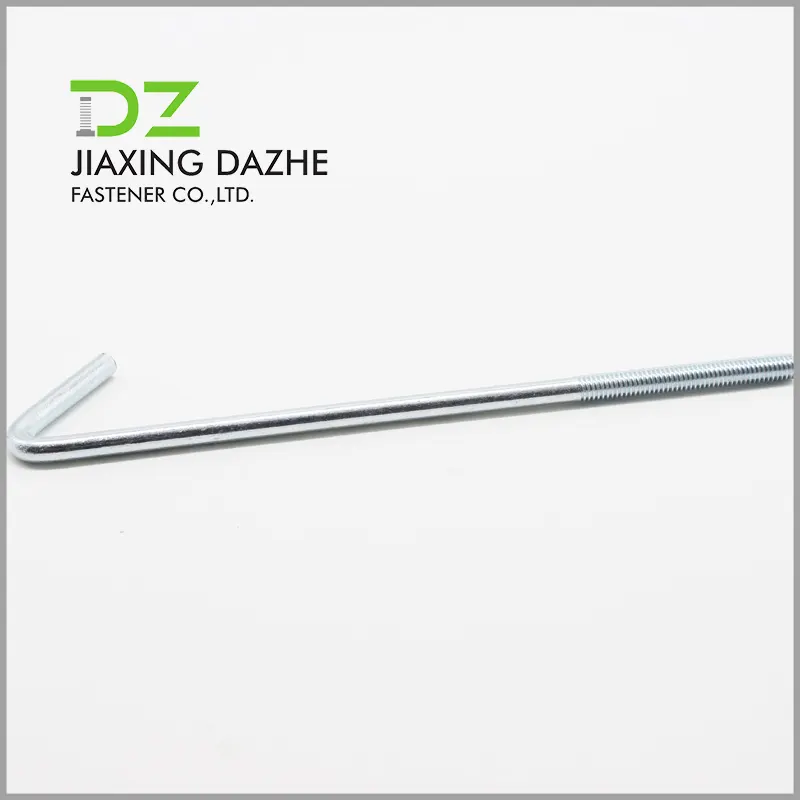
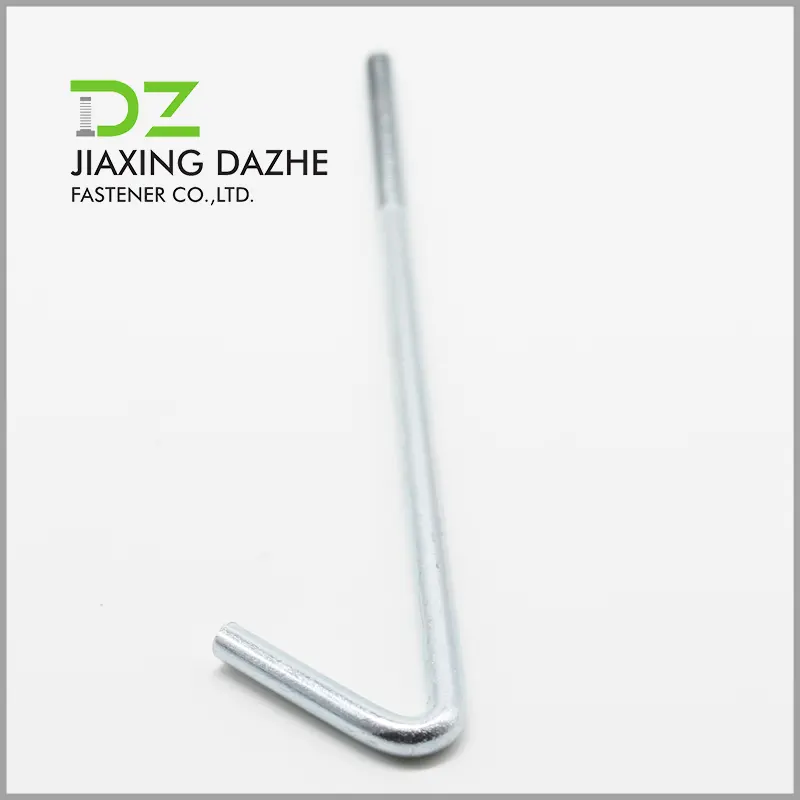
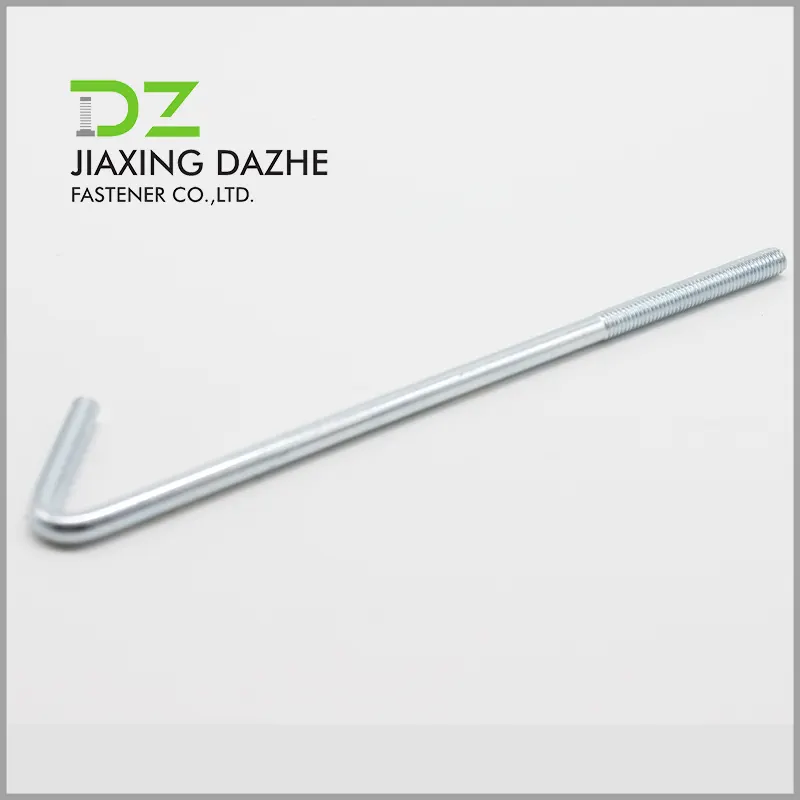
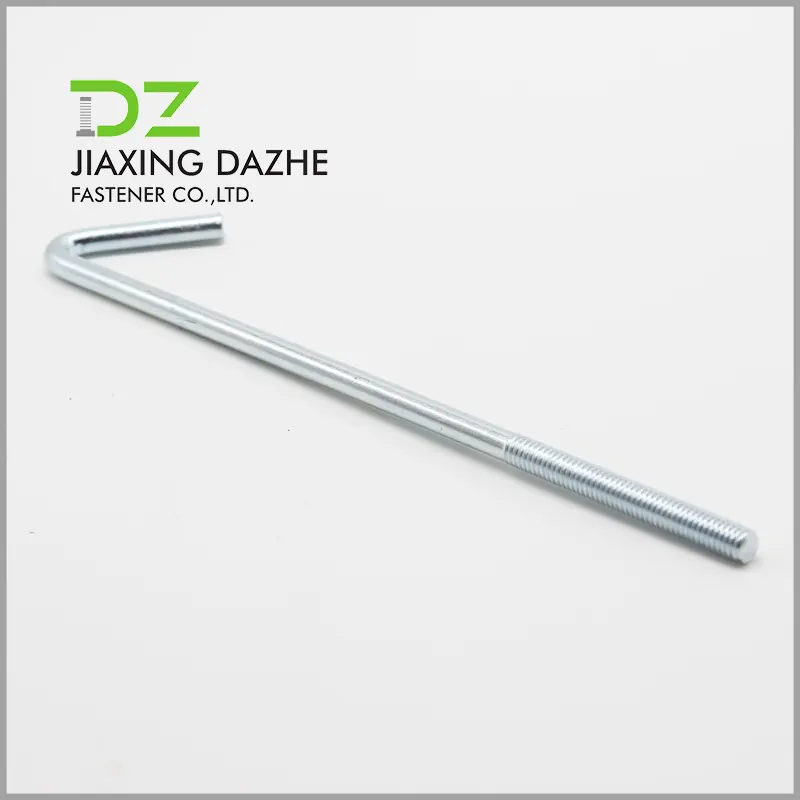
V Type Bolt
Dazhe fastener is a manufacturer and supplier specializing in V Type Bolt, located in Jiaxing, China. We've been doing this since 2010, so it's been over 15 years now. Our services are very convenient, a one-stop shop. We can handle everything from designing to delivering the finished product to you, all to ensure that our clients' needs are met in the best way.
Send Inquiry
Product Description
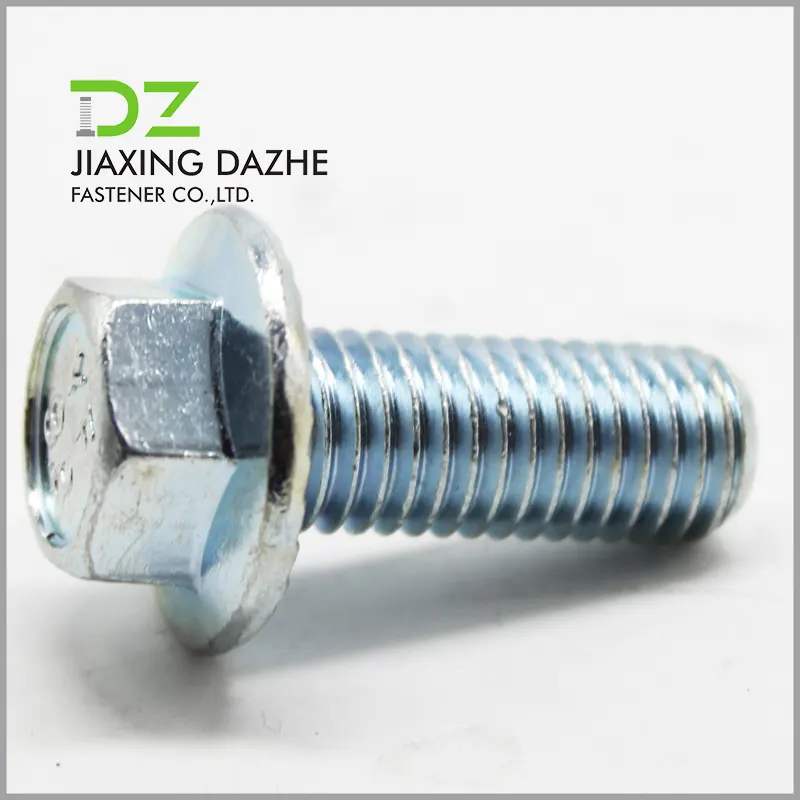
Our V Type Bolt has a typical V-shaped (wedge-shaped) head, which is totally different from standard hex bolts or round head bolts. Its two sides are sloped to form a V profile. Most of them come with fully threaded or partially threaded shanks, and the thread sizes can be customized. The V-shaped surface works as a guide and anti-slip structure, distributing pressure evenly. Some custom V Type Bolt models have positioning grooves or anti-slip teeth on the head for firmer installation.
Producing a V Type Bolt is more challenging than regular bolts. First, its special V-shaped head is hard to form. Cold forging and hot forging wear out molds quickly, and it’s easy to get uneven angles or asymmetry on the V slopes, which causes high defective rates. Second, burrs, material shortage and collapsed corners often appear where the V head connects with the shank, requiring extra finishing work. Third, any angle error on the V head will affect thread concentricity. Mass production of V Type Bolt demands high-precision molds, well-adjusted machines and skilled workers.
We need to focus on several key points when making V Type Bolt. First, check the V-head angle, symmetry and surface flatness strictly, they decide if the V Type Bolt fits well. Second, keep good concentricity between head and shank. Third, inspect the whole surface to remove cracks, burrs and dents. Fourth, test thread form and pitch with go/no-go gauges to ensure smooth screwing. Fifth, keep consistent tolerance among all products in one batch. Also, maintain and replace production molds regularly to avoid mass defects of V Type Bolt.
Thanks to its guiding, anti-loose and anti-slip V head, the V Type Bolt is widely used for quick installation and firm positioning. It is commonly applied in construction machinery, mining equipment, conveyor systems, agricultural machines and steel structure positioning. It also works well on rails, brackets and clamps that need frequent assembly and disassembly, especially under vibration conditions. Since the V Type Bolt has no sharp edges, it is safe for parts where workers often touch.
We do different heat treatments for V Type Bolt based on load requirements. For light-load V Type Bolt made of low-carbon steel, we just use normalizing to keep good toughness. For medium and heavy-load V Type Bolt working under vibration, quenching and tempering are adopted to reach Grade 8.8 or 10.9 hardness, balancing strength and fracture resistance. For heavy-wear use, we do local surface quenching on the V head and threads to improve surface hardness. We test hardness and metal structure for every batch of V Type Bolt after heat treatment.
Surface treatment for V Type Bolt aims at rust prevention, corrosion resistance and smooth assembly. For dry indoor use, electro-galvanizing (blue-white zinc or color zinc) is the most common choice for V Type Bolt due to low cost and basic anti-rust performance. For outdoor and humid areas, hot-dip galvanizing or Dacromet coating is used for longer service life. In coastal or chemical corrosive environments, we use phosphating, black oxide plus anti-rust oil. If lubrication is needed, we add dry lubricant coating. We check coating thickness and adhesion to prevent coating peeling and rust on V Type Bolt.

Hot Tags: V Type Bolt
Send Inquiry
Please feel free to fill your inquiry in the form below. We will reply you in 24 hours.

X
We use cookies to offer you a better browsing experience, analyze site traffic and personalize content. By using this site, you agree to our use of cookies.
Privacy Policy