 English
 Español
  Português
  русский
  Français
  日本語
日本語  Deutsch
  tiếng Việt
  Italiano
  Pilipino
  Türkçe
  Gaeilge
  العربية
  český
český  ภาษาไทย
  한국어
한국어  Malay
Malay  বাংলা ভাষার
  Dansk
Dansk  Suomi
Suomi 
Products


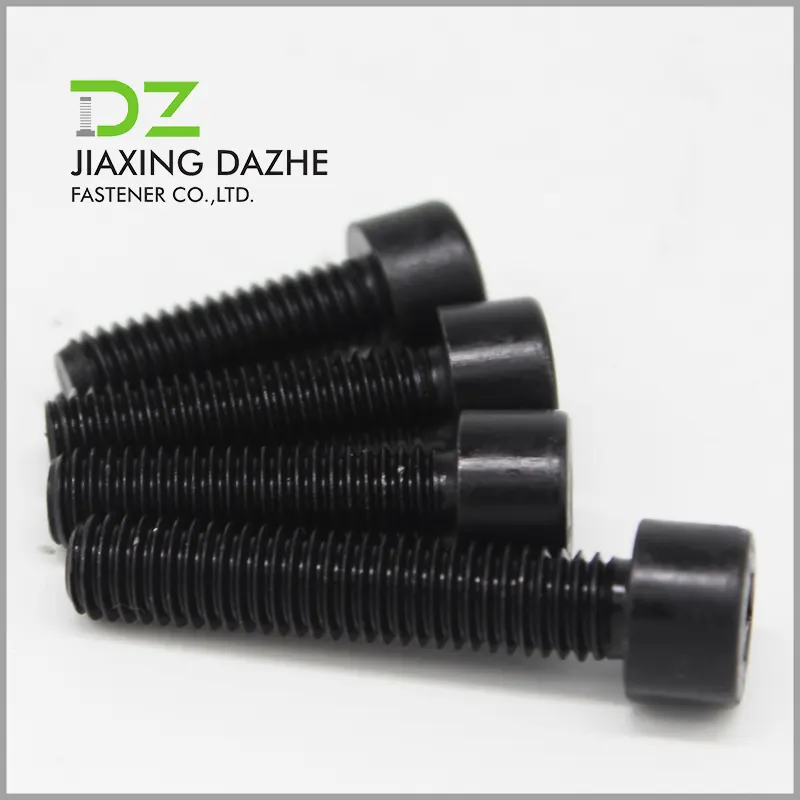
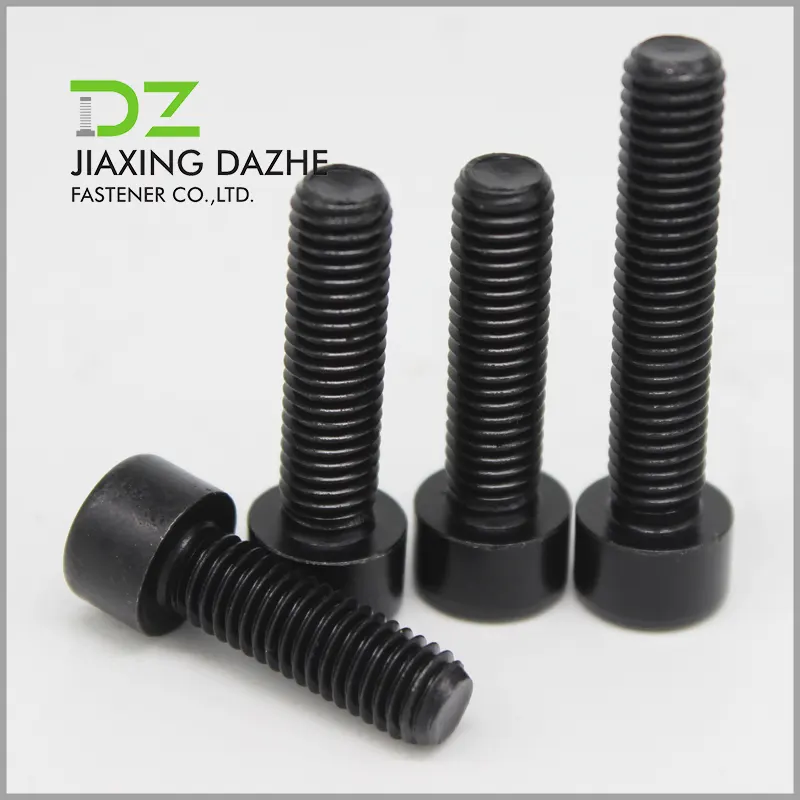
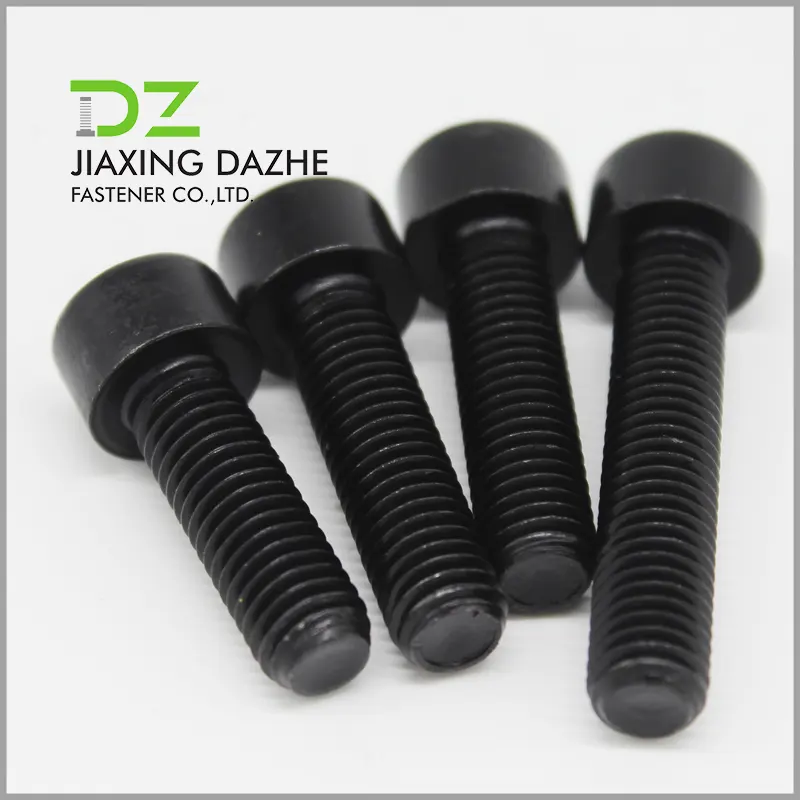
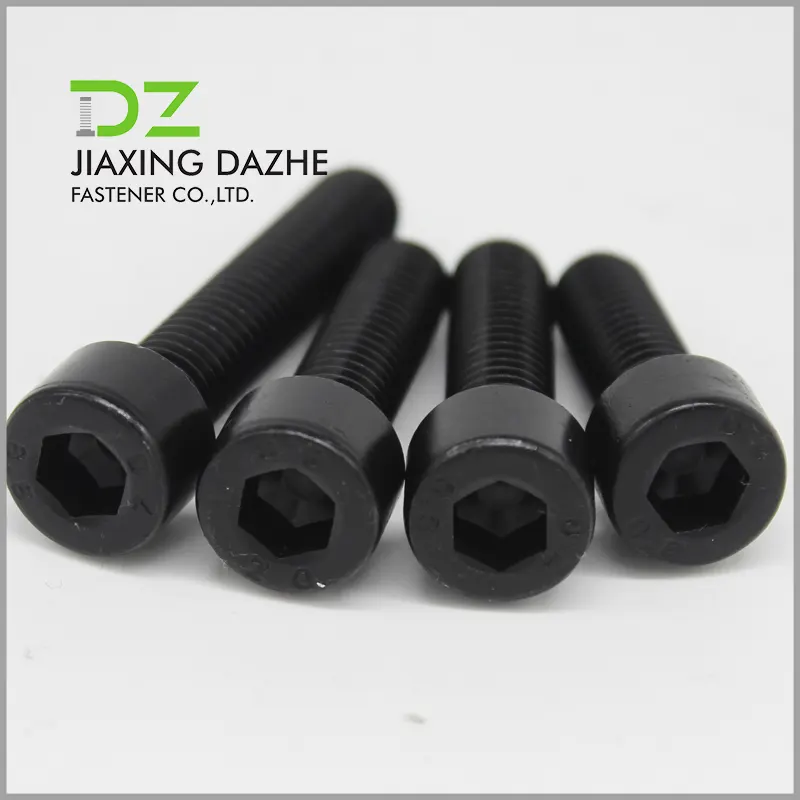
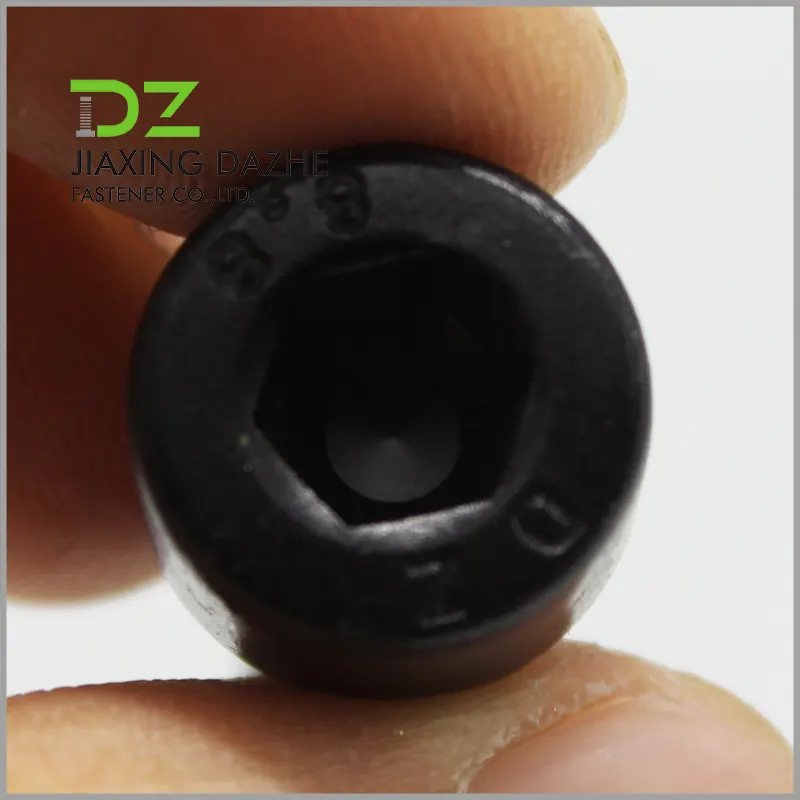
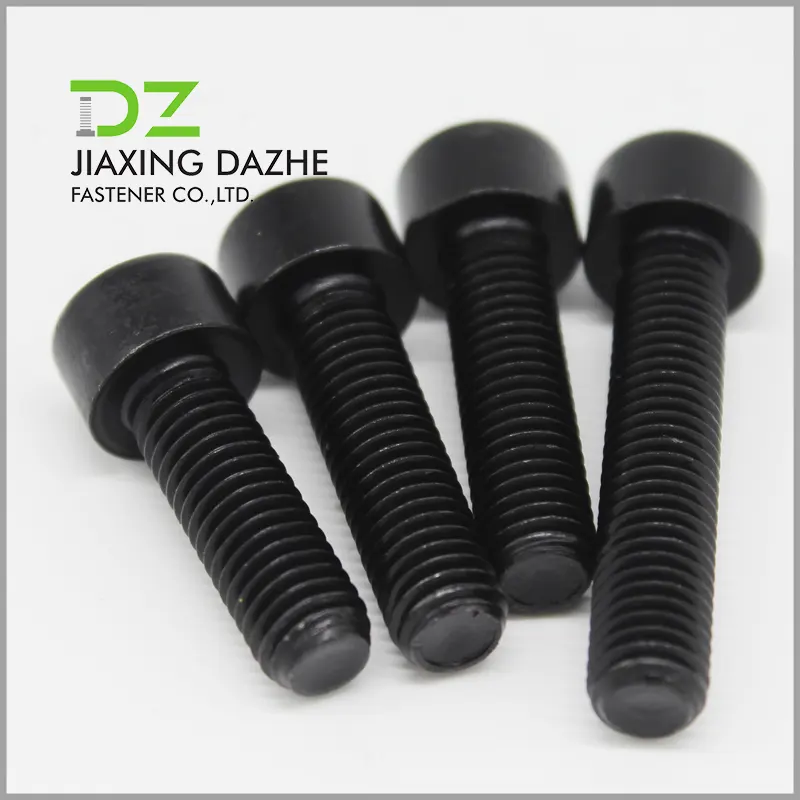
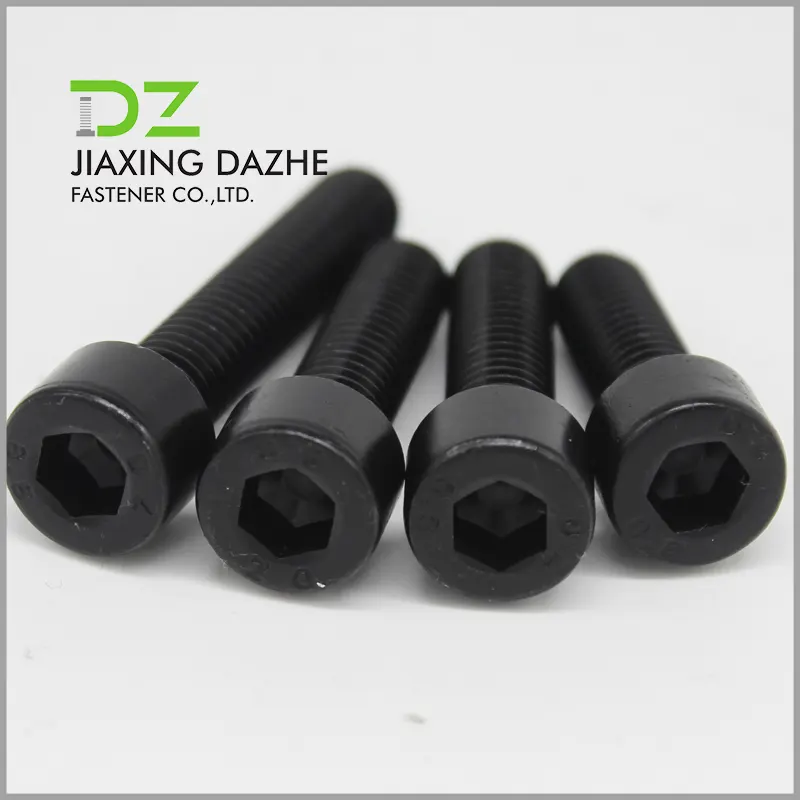
Socket Cap Screw DIN912 Machine Screw
Dazhe is a Socket Cap Screw DIN912 Machine Screw manufacturer and supplier in China. We have been specialized in lighting for many years. Our products have a good price advantage and cover most of the European and American markets. We look forward to becoming your long-term partner in China.Welcome to contact us!
Send Inquiry
Product Description
The head diameter and head height of Our DIN 912 Socket Cap Screws are standardized fixed dimensions, increasing with the thread diameter to ensure installation strength and torque transmission. In common metric sizes, the head diameter is about 1.5–2 times the nominal thread diameter, and the head height is close to or slightly smaller than the thread diameter for countersunk installation and neat appearance.
DIN 912 Socket Cap Screws are classified by material into carbon steel, alloy steel, and stainless steel, with corresponding property classes to meet different strength requirements. Carbon and alloy steel are commonly available in grades 8.8, 10.9, and 12.9 (12.9 being high-strength); stainless steel uses A2-70 (304) and A4-70/80 (316), focusing on corrosion resistance.
Surface treatments are selected according to the application environment, mainly for rust prevention and appearance improvement; some processes meet high salt spray requirements. Carbon steel often uses zinc plating, black oxide, hot-dip galvanizing, and Dacromet; stainless steel is usually passivated to retain its natural color and corrosion resistance without extra plating.
DIN 912 Socket Cap Screws have a wide range of application scenarios as standard industrial fasteners, widely used in mechanical equipment, molds, automation devices, automotive parts, machine tools, and precision instruments for mold assembly and structural connections. They are preferred in compact spaces requiring high joint strength due to high torque and recessed head design.
Common Specification Range
1.Thread diameter: M1.6 ~ M100; Length L: from 4 mm up to 1000 mm
2.Length increment: ≤300 mm mostly in 5 mm steps; >300 mm usually in 10 mm or 20 mm steps
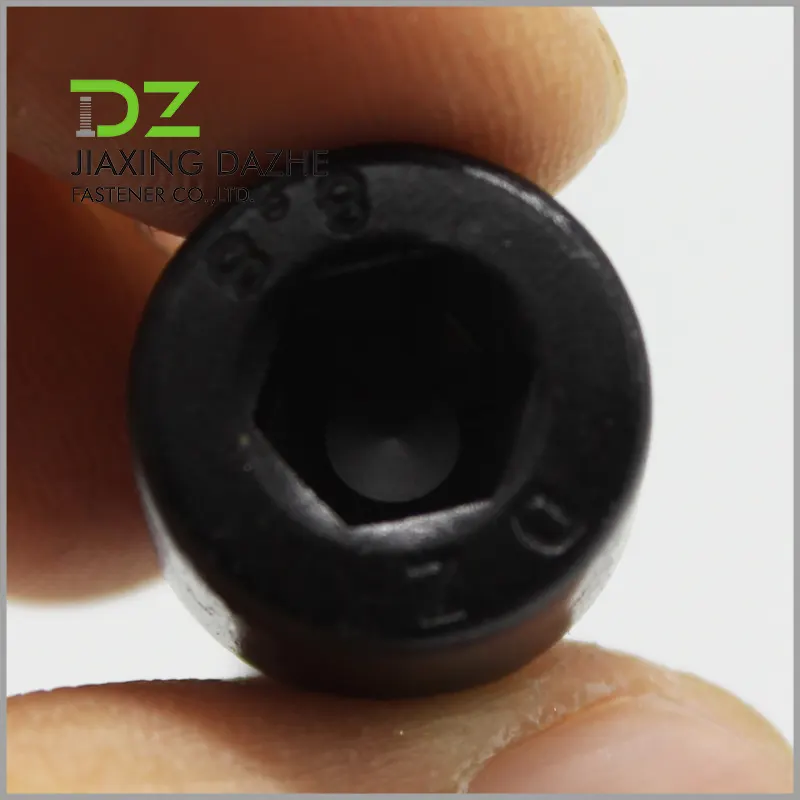
3.Marking example: DIN 912 M8×30-10.9 ZnNi (M8 diameter, 30 mm length, property class 10.9, zinc-nickel plating)
Key Advantages and Applications
1.Advantages: high torque, not easy to cam out; head can be countersunk and concealed; small installation space required; high connection strength
2.Typical applications: mechanical equipment, molds, automation equipment, automobiles, electronic equipment, aerospace, etc.
Key Points for Procurement and Export (For Foreign Trade)
1.Confirm the standard (DIN912/ISO4762/GB/T 70.1/ASME B18.3); thread types must not be mixed.
2.Specify property class, material, and surface treatment (especially salt spray requirements, such as 96/120/240 h).
3.Distinguish between full thread and partial thread (when L > b); L-b ≥ 3P (P = pitch).
4.Packaging according to sea freight or customer requirements: carton + inner bag + pallet, to prevent collision and rust; accurate HS code classification (e.g. 731815).
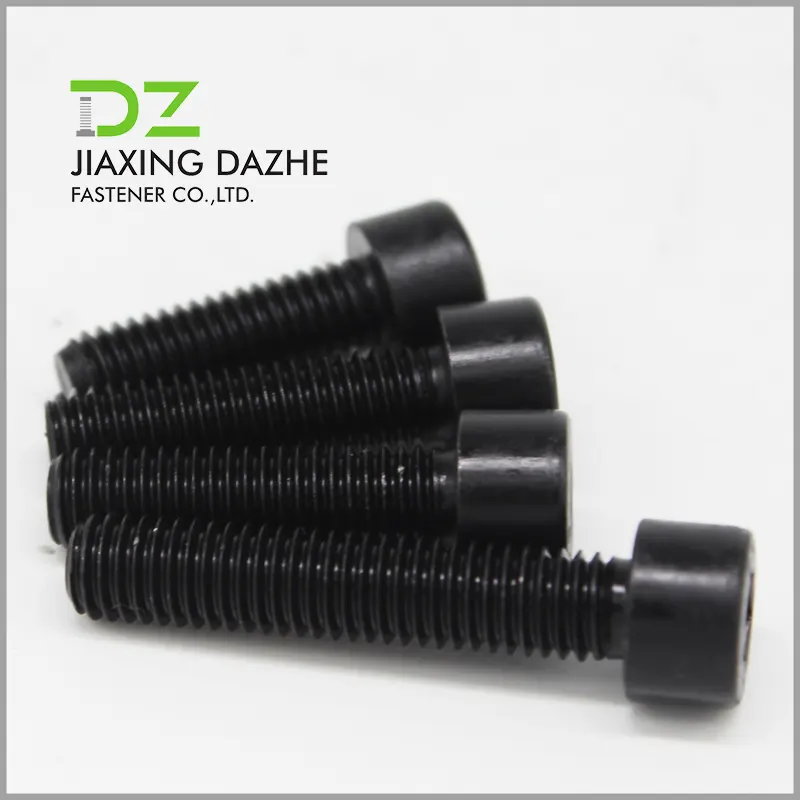
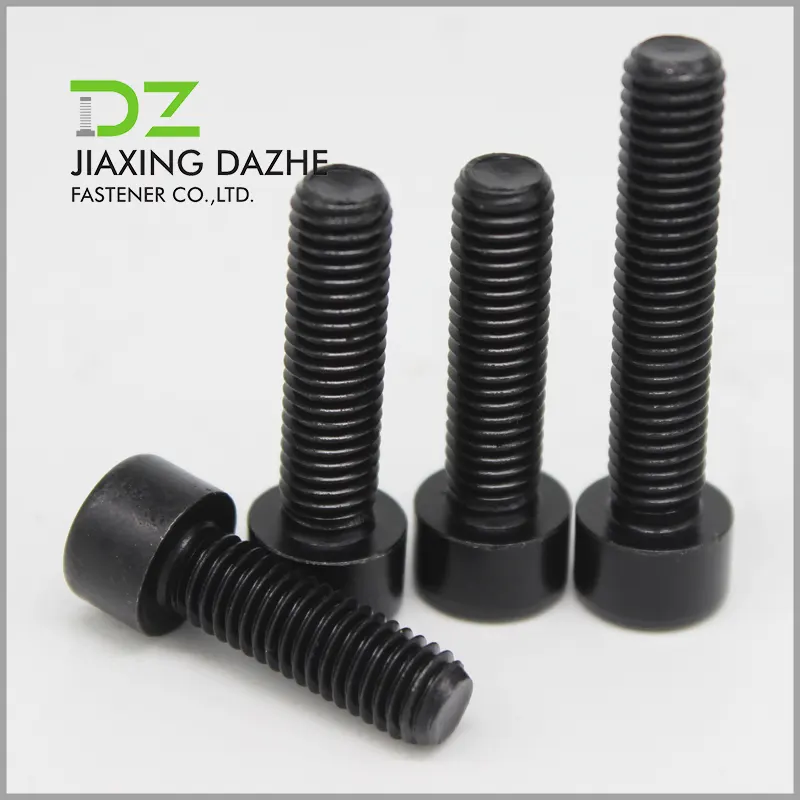
Hot Tags: Socket Cap Screw DIN912 Machine Screw
Related Categories
Send Inquiry
Please feel free to fill your inquiry in the form below. We will reply you in 24 hours.

X
We use cookies to offer you a better browsing experience, analyze site traffic and personalize content. By using this site, you agree to our use of cookies.
Privacy Policy