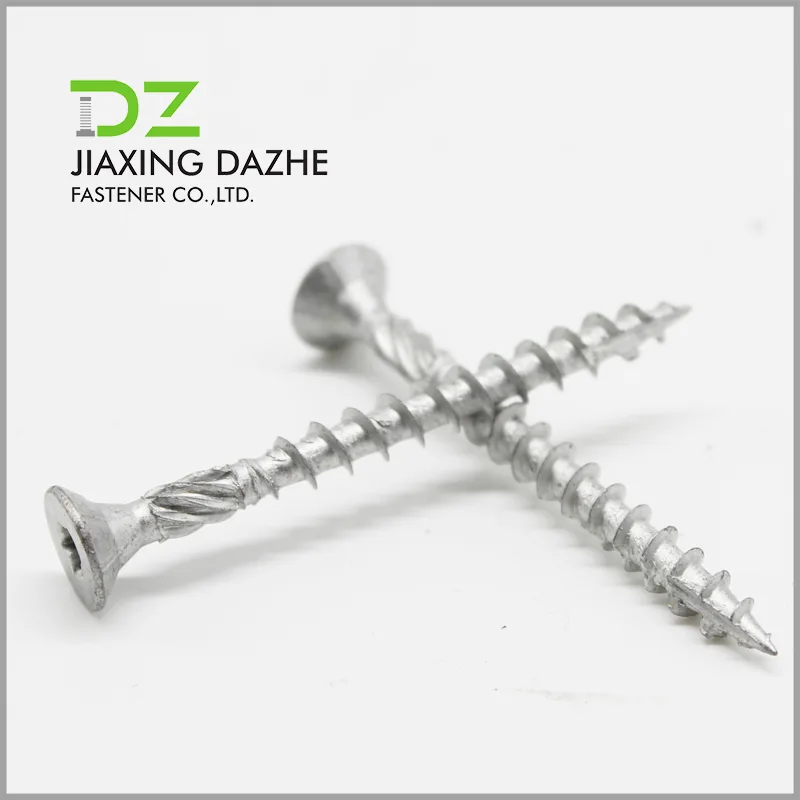
Chipboard screws are among the most widely used fasteners in woodworking, furniture assembly, cabinetry, flooring, and construction applications. Whether you are building flat-pack furniture, securing MDF panels, or installing wooden structures, choosing the right chipboard screw can significantly improve durability, stability, and installation efficiency. This comprehensive guide explains everything you need to know about chipboard screws, including materials, types, applications, advantages, installation tips, common mistakes, and how to select the best screw for your project.
1. What Is a Chipboard Screw?
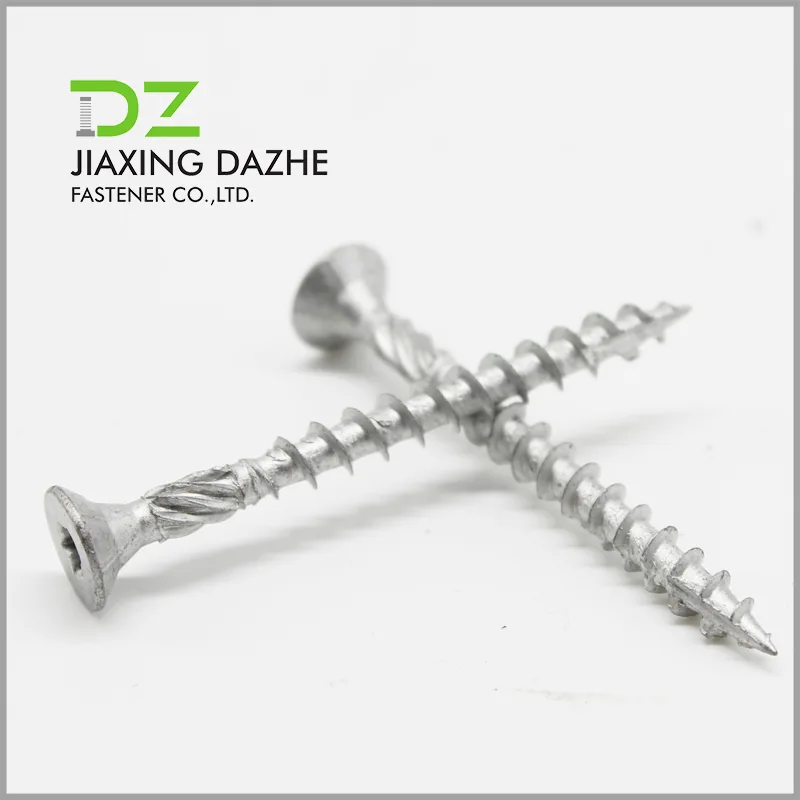
A chipboard screw is a specially designed fastener used for securing chipboard, particle board, MDF, plywood, and other engineered wood materials. Unlike ordinary screws, chipboard screws feature sharp threads and pointed tips that allow easier penetration into dense or brittle wooden materials.
These screws are engineered to reduce splitting while providing excellent holding power. They are commonly used in furniture manufacturing, kitchen cabinet installation, flooring systems, and DIY woodworking projects.
The unique thread geometry allows chipboard screws to grip engineered wood firmly, making them highly effective in applications where standard screws may loosen over time.
2. Main Features of Chipboard Screws
|
Feature
|
Description
|
|
Deep Threads
|
Provide stronger grip in soft and engineered wood materials.
|
|
Sharp Point
|
Allows easy penetration without excessive force.
|
|
Corrosion Resistance
|
Available with zinc plating or other protective coatings.
|
|
Countersunk Head
|
Creates a flush surface finish.
|
|
High Holding Strength
|
Improves structural stability and durability.
|
3. Different Types of Chipboard Screws
Chipboard screws are available in multiple configurations to meet different installation needs and material requirements.
Countersunk Head Chipboard Screws
These screws sit flush with the material surface, making them ideal for furniture and decorative applications.
Double Countersunk Screws
Designed for enhanced head strength and reduced breakage during installation.
Pozi Drive Chipboard Screws
Provide improved torque transfer and minimize cam-out during high-speed driving.
Torx Drive Chipboard Screws
Offer superior grip and are increasingly popular in industrial woodworking applications.
Partial Thread Screws
Suitable for clamping two wooden pieces tightly together.
Full Thread Screws
Provide consistent holding power across the entire screw length.
4. Materials and Surface Finishes
The material and coating of a chipboard screw directly influence its durability, corrosion resistance, and performance.
|
Material/Finish
|
Advantages
|
Recommended Applications
|
|
Carbon Steel
|
Strong and economical
|
Indoor furniture
|
|
Stainless Steel
|
Excellent corrosion resistance
|
Outdoor environments
|
|
Zinc Plated
|
Improved rust protection
|
General construction
|
|
Black Oxide
|
Decorative appearance
|
Interior decorative projects
|
5. Common Applications of Chipboard Screws
Chipboard screws are versatile fasteners used across multiple industries and woodworking applications.
-
Flat-pack furniture assembly
-
Kitchen cabinet manufacturing
-
Wood flooring installation
-
MDF board fastening
-
Shelving systems
-
DIY woodworking projects
-
Interior decoration
-
Timber framing
-
Office furniture production
-
Retail display structures
Because of their strong grip and easy installation, chipboard screws have become one of the preferred fastening solutions in modern woodworking.
6. Benefits of Using Chipboard Screws
Excellent Holding Power
The deep thread design increases friction between the screw and material, resulting in stronger connections.
Reduced Material Splitting
Sharp points and optimized thread patterns minimize damage to delicate wood materials.
Fast Installation
Chipboard screws are compatible with electric screwdrivers and automated assembly systems.
Cost-Effective Solution
They provide long-term performance while remaining affordable for large-scale manufacturing.
Versatility
Suitable for softwood, hardwood, MDF, particle board, and plywood.
7. How to Choose the Right Chipboard Screw
Selecting the correct chipboard screw depends on several important factors.
|
Factor
|
Recommendation
|
|
Material Thickness
|
Choose a screw length 2-3 times the board thickness.
|
|
Environment
|
Use stainless steel for humid or outdoor areas.
|
|
Load Requirement
|
Select thicker screws for heavy-duty structures.
|
|
Appearance
|
Countersunk heads provide cleaner finishes.
|
|
Drive Type
|
Torx drives offer better torque control.
|
8. Installation Tips for Better Performance
-
Use the correct drill bit size.
-
Avoid excessive torque during installation.
-
Pre-drill pilot holes for hardwood materials.
-
Use corrosion-resistant screws outdoors.
-
Keep screw alignment straight during fastening.
-
Choose the appropriate screwdriver head type.
-
Maintain consistent screw spacing for even load distribution.
Following these practices improves installation quality and extends the service life of both the screw and the wooden structure.
9. Common Mistakes to Avoid
-
Using screws that are too short
-
Applying excessive driving force
-
Ignoring corrosion resistance requirements
-
Using incorrect screwdriver bits
-
Skipping pilot holes in dense wood
-
Choosing unsuitable thread types
-
Overtightening screws in MDF boards
Avoiding these common issues can significantly improve connection stability and reduce maintenance costs.
10. Chipboard Screws vs Wood Screws
|
Feature
|
Chipboard Screw
|
Wood Screw
|
|
Thread Design
|
Deep and sharp
|
Moderate thread depth
|
|
Best Material
|
Particle board and MDF
|
Natural wood
|
|
Holding Strength
|
Excellent in engineered wood
|
Good in solid wood
|
|
Installation Speed
|
Very fast
|
Moderate
|
11. Common Sizes and Specifications
Chipboard screws are manufactured in a wide range of diameters and lengths.
|
Diameter
|
Length Range
|
Typical Use
|
|
3.0mm
|
12mm - 30mm
|
Light furniture
|
|
4.0mm
|
20mm - 60mm
|
Cabinets and shelves
|
|
5.0mm
|
40mm - 100mm
|
Structural timber
|
|
6.0mm
|
50mm - 150mm
|
Heavy-duty applications
|
12. Industrial and Commercial Uses
Modern industries depend heavily on high-quality chipboard screws for efficient assembly operations.
-
Furniture manufacturing plants
-
Interior design companies
-
Construction contractors
-
Retail fixture suppliers
-
Office furniture factories
-
Home improvement businesses
-
Wooden packaging manufacturers
Reliable fasteners reduce assembly time and improve product quality, making them essential for mass production environments.
13. Maintenance and Corrosion Prevention
Proper maintenance helps maximize the lifespan of chipboard screws, especially in demanding environments.
-
Inspect screws regularly for rust or loosening.
-
Use protective coatings in humid areas.
-
Replace damaged screws immediately.
-
Store unused screws in dry environments.
-
Avoid exposure to corrosive chemicals.
Preventive maintenance ensures long-term structural integrity and safety.
14. Future Trends in Fastener Technology
The fastener industry continues to evolve with advanced manufacturing technologies and improved material science.
Emerging trends include:
-
Eco-friendly surface treatments
-
Higher corrosion resistance coatings
-
Smart fastening systems
-
Improved torque performance
-
Automation-compatible designs
-
Enhanced anti-loosening technology
Manufacturers are increasingly focused on improving durability, reducing installation time, and supporting sustainable production methods.
15. Frequently Asked Questions
Can chipboard screws be used in solid wood?
Yes. Although designed primarily for engineered wood materials, chipboard screws can also perform well in softwood and hardwood applications.
Do chipboard screws require pilot holes?
In softer materials, pilot holes may not be necessary. However, pilot holes are recommended for hardwood or thick boards to prevent splitting.
What is the best coating for outdoor applications?
Stainless steel and high-quality zinc-plated finishes offer better protection against moisture and corrosion.
Why do chipboard screws have deeper threads?
Deeper threads improve grip strength in particle board and MDF materials that have lower density compared to natural wood.
Which drive type is better?
Torx drives generally provide better torque transmission and reduced slipping compared to traditional Phillips or Pozi drives.
16. Conclusion
Chipboard screws play a critical role in modern woodworking and furniture assembly. Their specialized thread design, strong holding power, easy installation, and wide compatibility make them one of the most reliable fastening solutions for engineered wood materials.
From residential furniture to industrial construction projects, choosing the right chipboard screw improves structural strength, installation efficiency, and long-term durability. Understanding screw materials, coatings, sizes, and installation techniques can help users avoid common problems and achieve better project performance.
As a trusted fastener manufacturer, Jiaxing Dazhe Fastener Co.,Ltd. is committed to supplying high-quality chipboard screws that meet diverse industrial and commercial requirements worldwide.
Contact us today to learn more about customized fastener solutions, competitive pricing, and professional support from Jiaxing Dazhe Fastener Co.,Ltd.
 English
 Español
  Português
  русский
  Français
  日本語
日本語  Deutsch
  tiếng Việt
  Italiano
  Pilipino
  Türkçe
  Gaeilge
  العربية
  český
český  ภาษาไทย
  한국어
한국어  Malay
Malay  বাংলা ভাষার
  Dansk
Dansk  Suomi
Suomi