 English
 Español
  Português
  русский
  Français
  日本語
日本語  Deutsch
  tiếng Việt
  Italiano
  Pilipino
  Türkçe
  Gaeilge
  العربية
  český
český  ภาษาไทย
  한국어
한국어  Malay
Malay  বাংলা ভাষার
  Dansk
Dansk  Suomi
Suomi 
Products


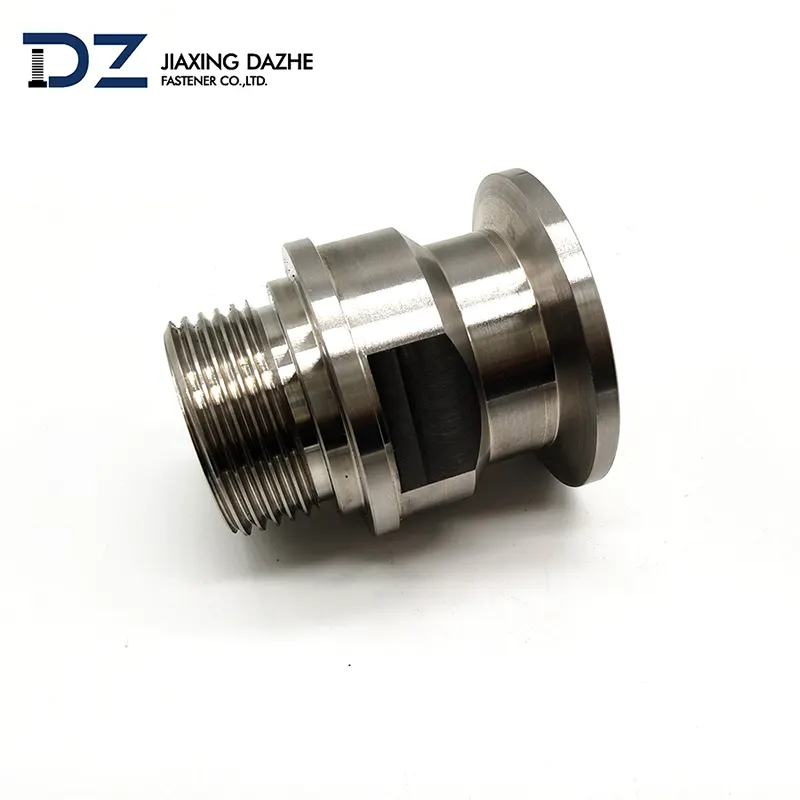
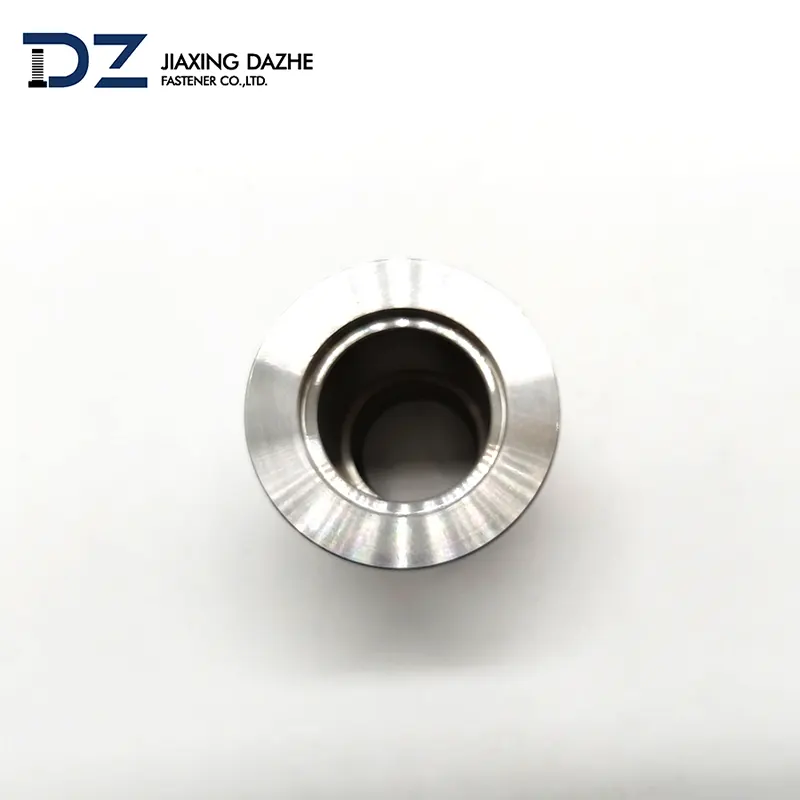
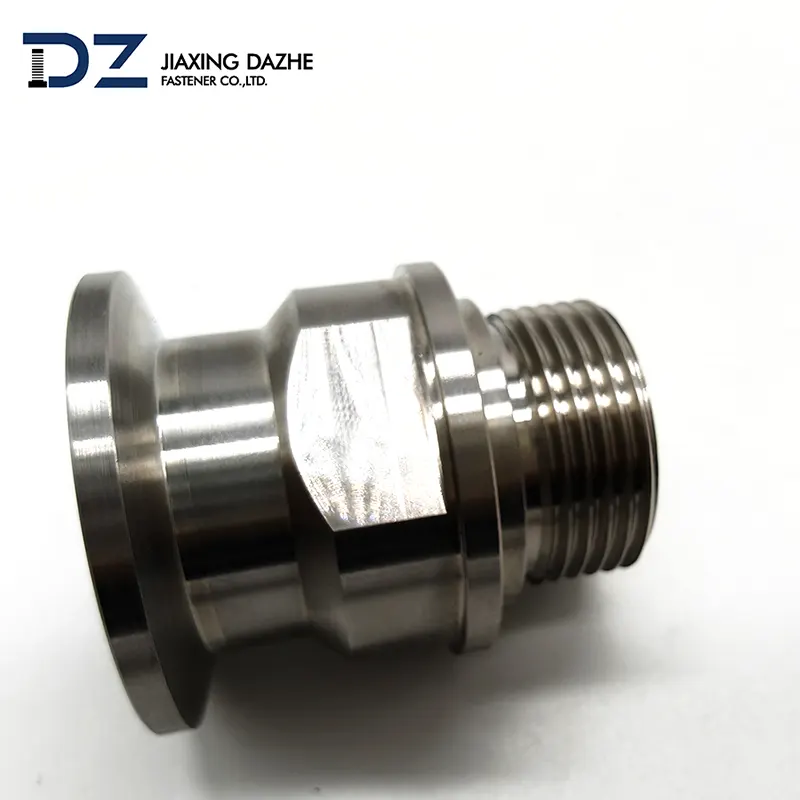
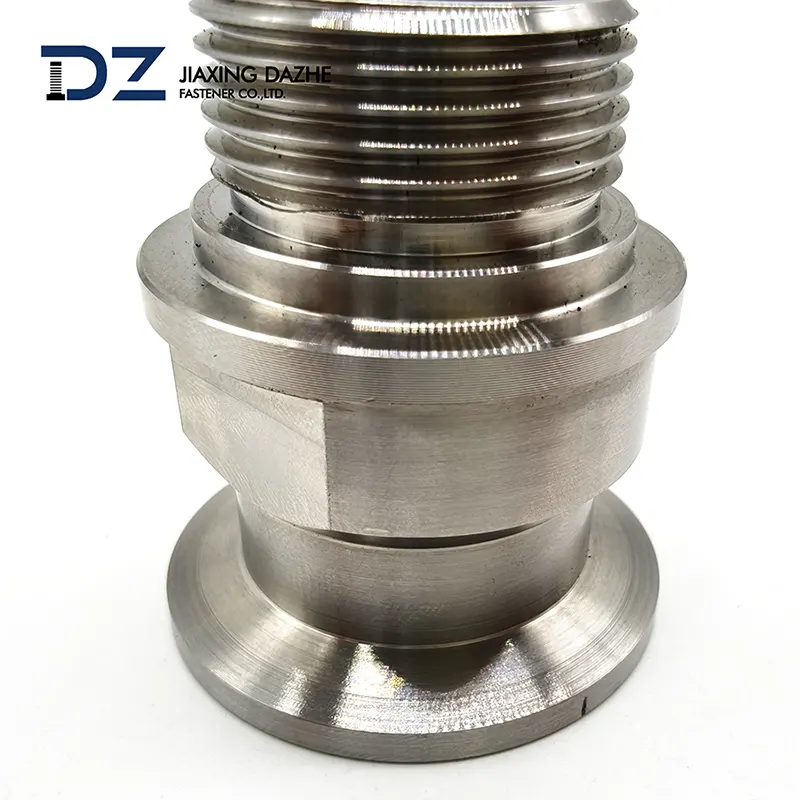
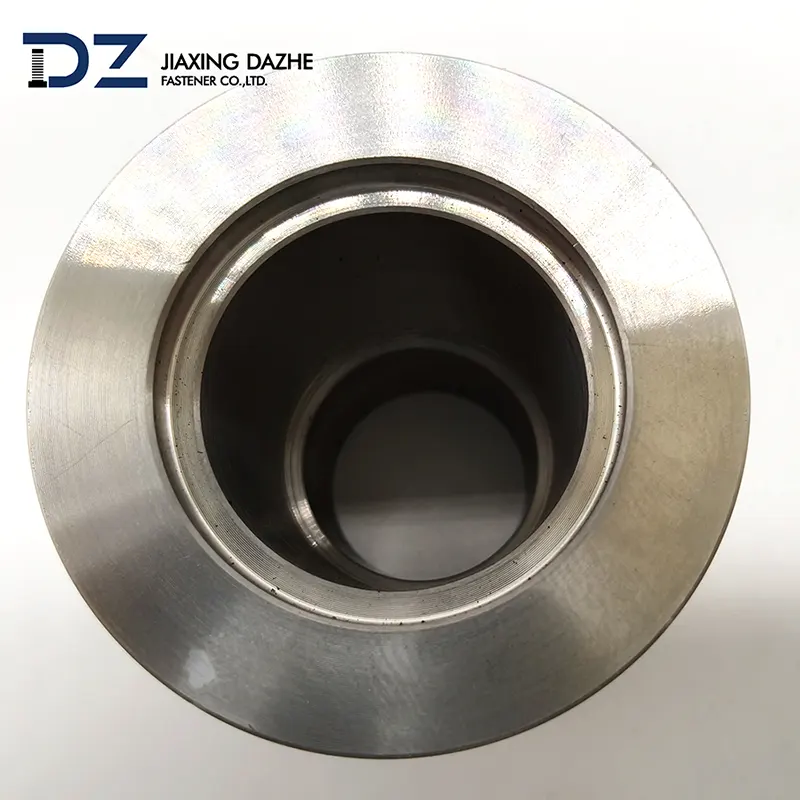
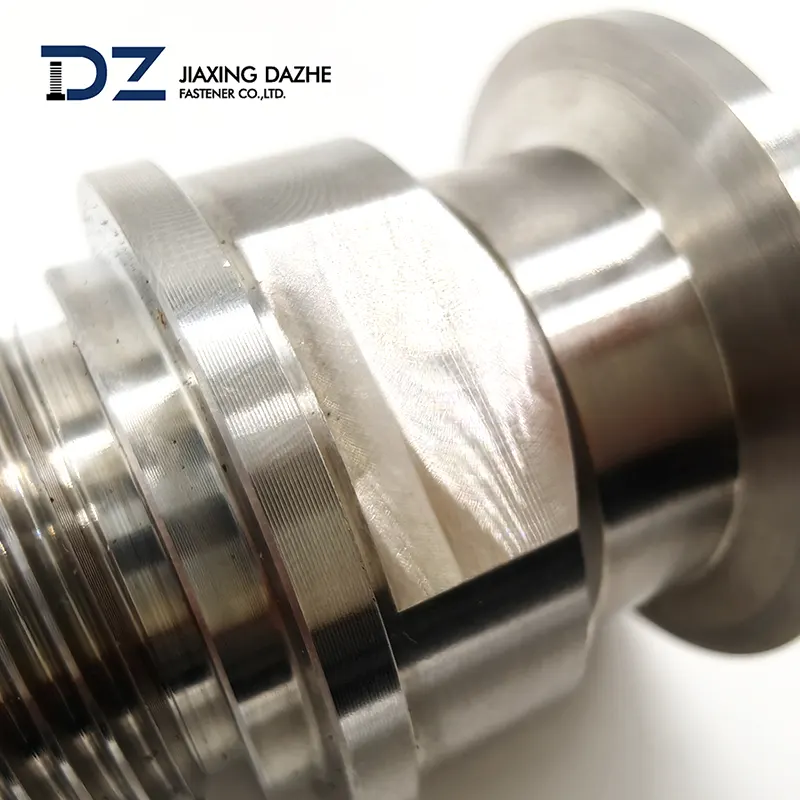
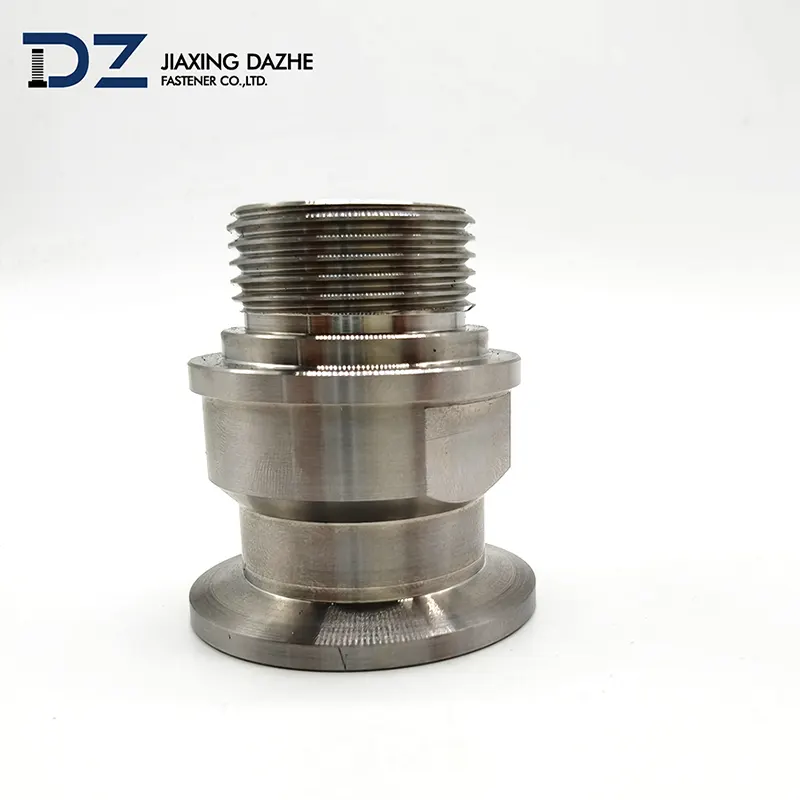
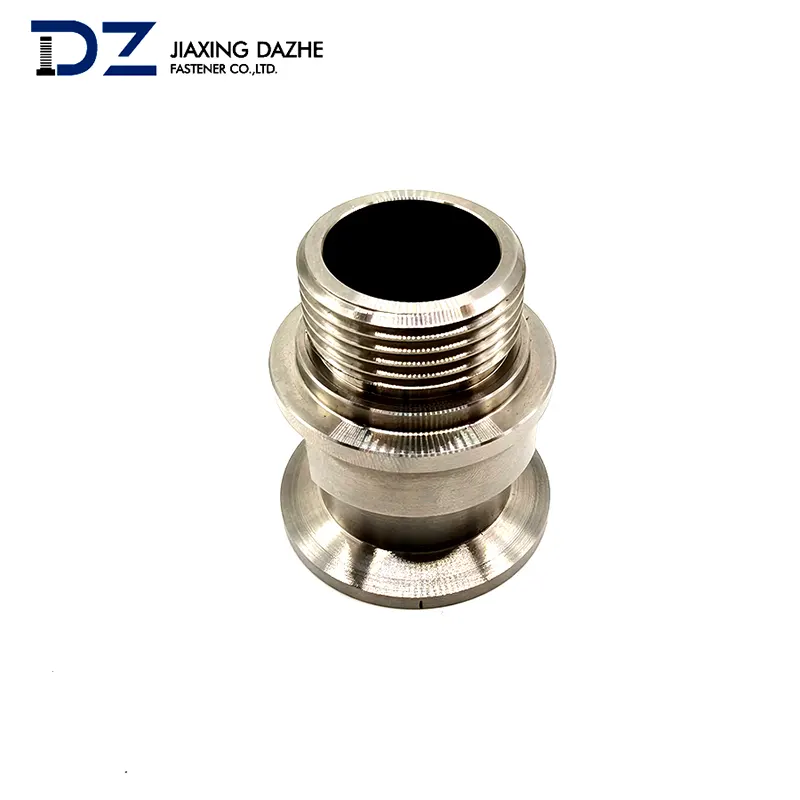
Product Description
Requirements for Machining Equipment
1.3-Axis Simultaneous Motion Control System
The machine must support simultaneous interpolation and movement along the X, Y, Z linear axes, enabling stable machining of flat surfaces, inclined planes, grooves, holes, steps, and simple curved surfaces. It should be equipped with a reliable numerical control system for precise path control.
2.High-Rigidity Mechanical Structure
The machine bed, column, and worktable require high structural rigidity to minimize vibration, deformation, and deflection during cutting. High-precision linear guides, ball screws, and servo drive systems ensure stable motion and long-term dimensional accuracy.
3.High-Performance Spindle
The spindle must provide a wide speed range, strong cutting torque, and good dynamic balance. It should maintain stability during high-speed and heavy-duty cutting to ensure surface finish and tool life.
4.High Positioning and Repeat Positioning Accuracy
The machine must meet strict industrial standards for positioning accuracy and repeatability to guarantee consistency in single-piece and mass production.
5.Tool and Cooling System
Equipped with a tool magazine or automatic tool changer (ATC) for multi-process machining. An efficient coolant system is required for heat dissipation, chip removal, lubrication, and extending tool service life.
6.Reliable Workholding System
Compatible with vises, fixtures, vacuum chucks, and hydraulic clamping devices to securely hold workpieces of various materials and sizes.
Requirements for Skilled Workers / Operators
1.CNC Programming & CAD/CAM Skills
Proficiency in reading 2D engineering drawings and 3D models. Ability to generate toolpaths using CAD/CAM software (such as Mastercam, UG/NX, Powermill, SolidCAM) and edit basic G-code and M-code programs.
2.Machine Setup & Operation
Capable of independently installing and clamping workpieces, setting work coordinates, tool setting, zero-point calibration, and parameter adjustment. Familiar with operation panels and daily machine debugging.
3.Technical Drawing Interpretation
Accurate understanding of dimensional tolerances, geometric tolerances (GD&T), surface roughness requirements, and machining benchmarks.
4.Machining Process Knowledge
Understanding of cutting characteristics of various materials (aluminum, steel, stainless steel, copper, plastics, composites). Ability to select appropriate cutting tools, feed rates, spindle speeds, and machining strategies to avoid tool breakage, workpiece deformation, or overheating.
5.Quality Inspection & Control
Skilled in using measuring tools such as calipers, micrometers, height gauges, dial indicators, and projectors to perform in-process inspection and final quality verification. Able to adjust parameters to correct dimensional deviations.
6.Safety & Maintenance Awareness
Strictly abide by safety operation procedures. Capable of basic machine maintenance, chip cleaning, daily inspection, and simple troubleshooting.
Application Scope of Products
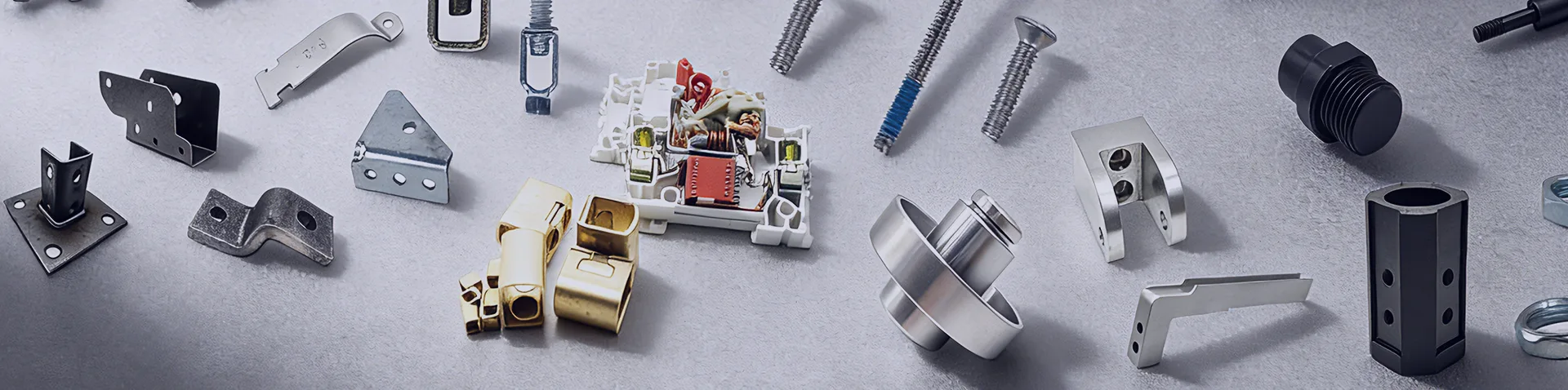
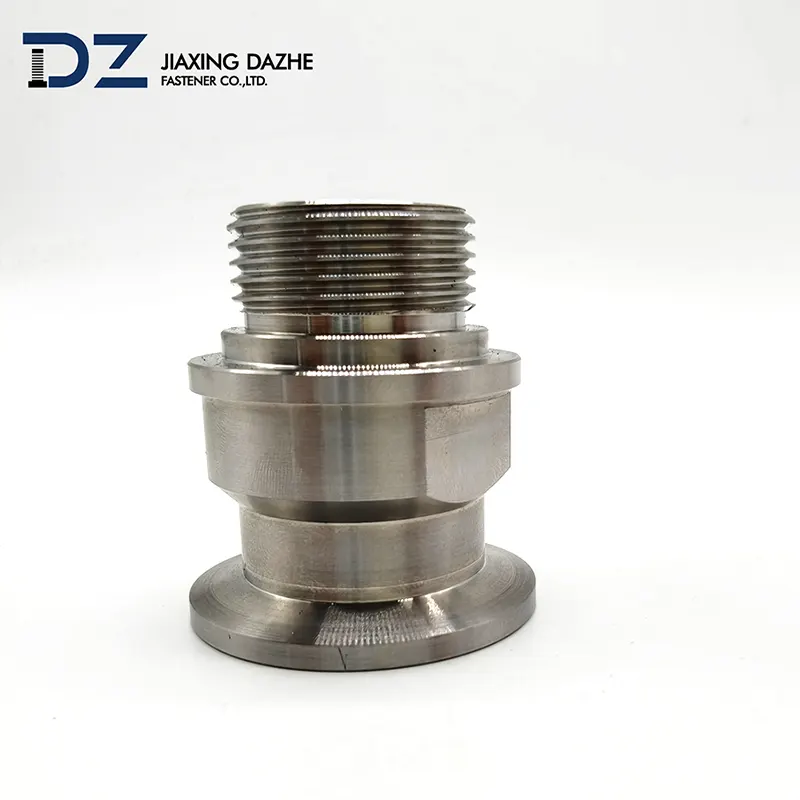
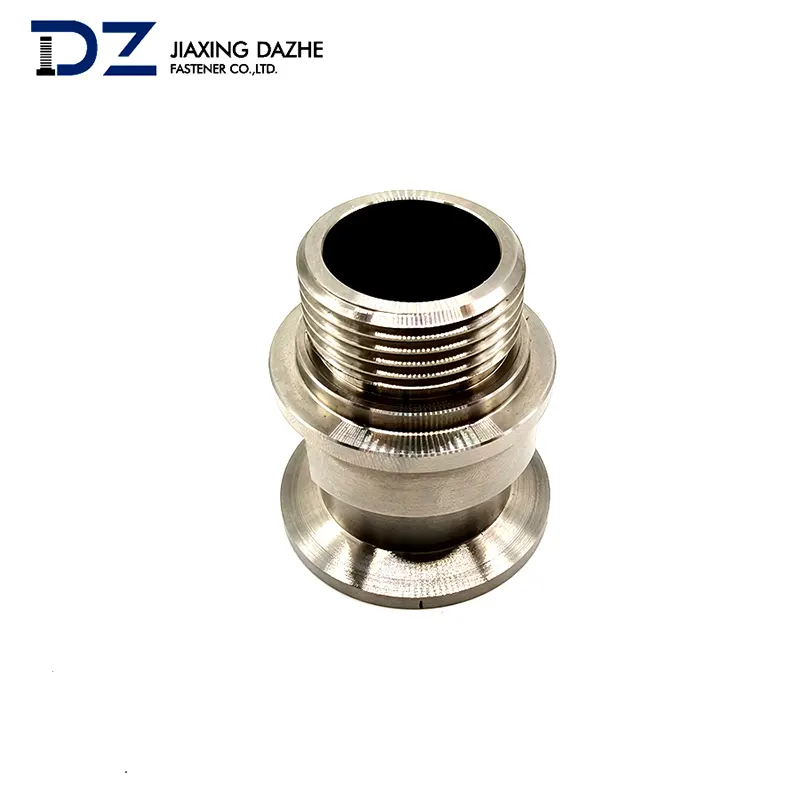
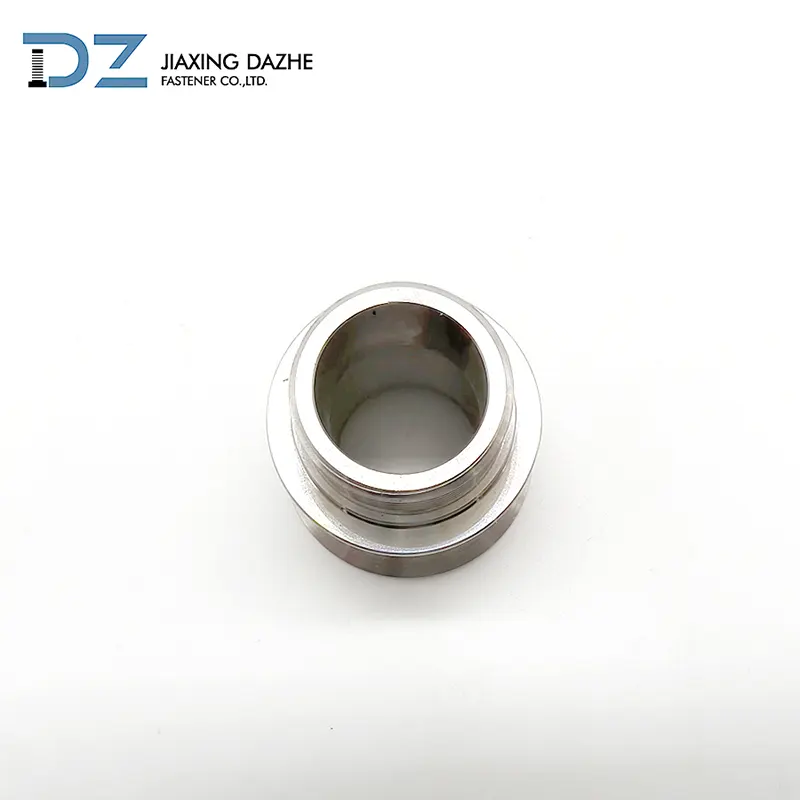
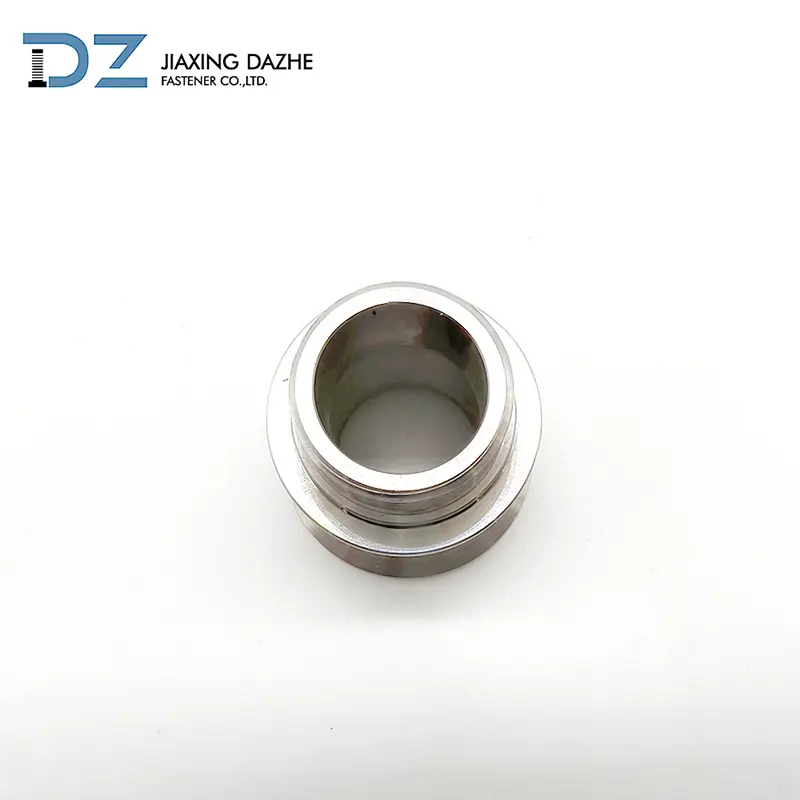
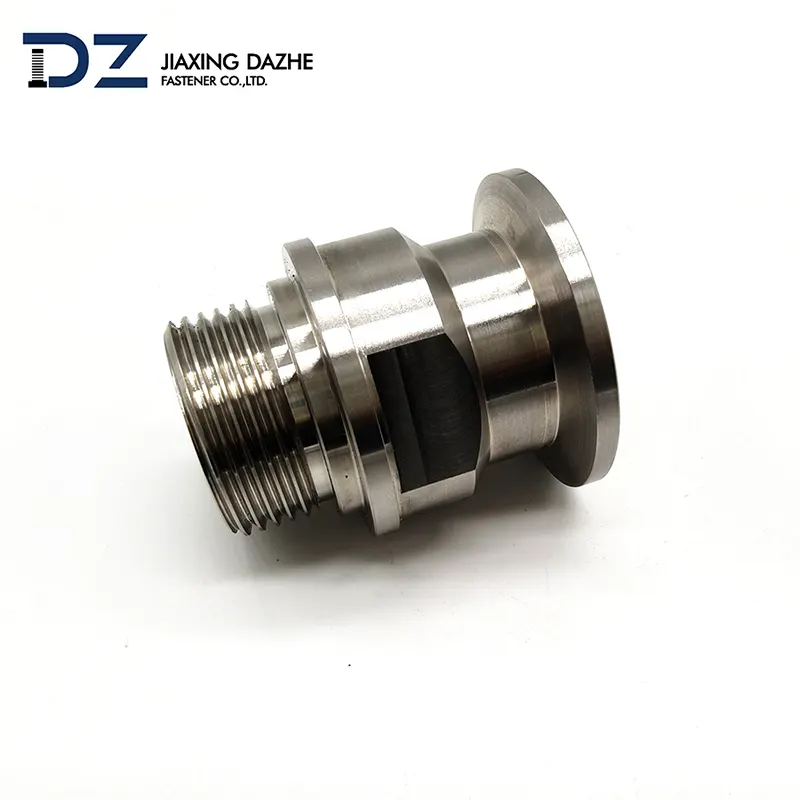
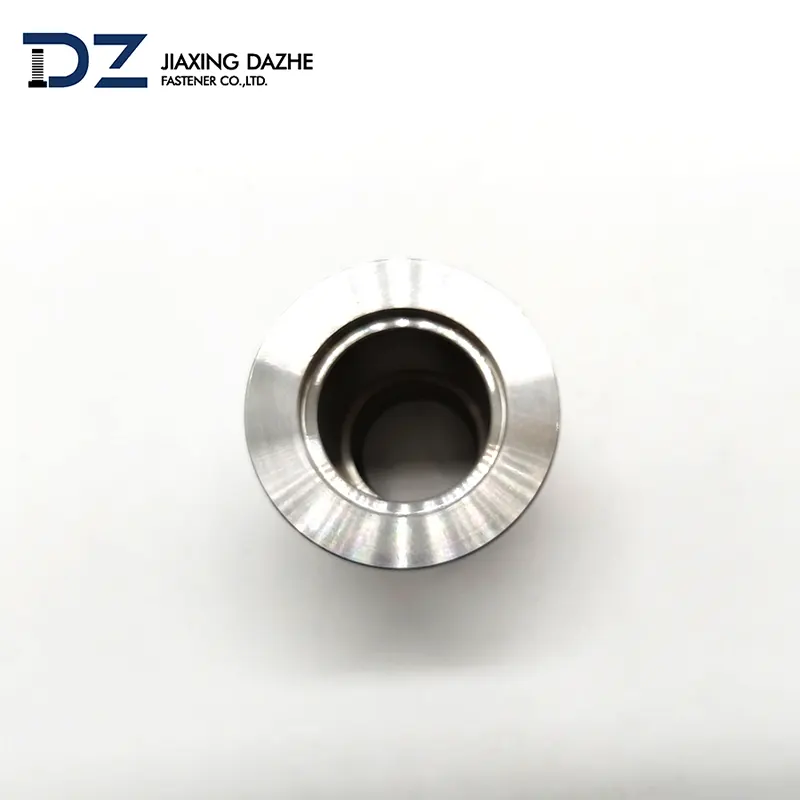
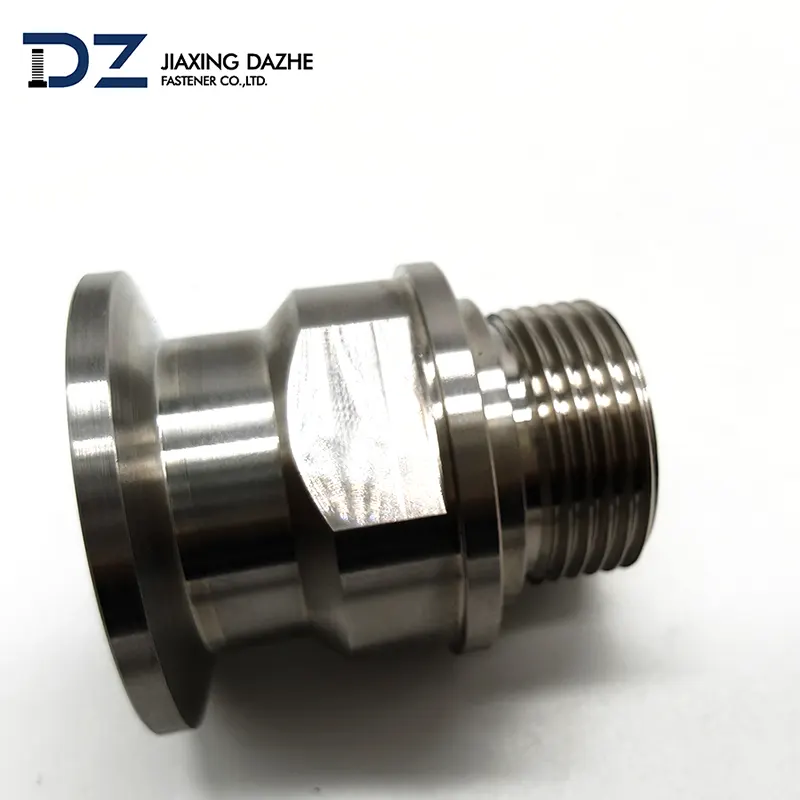
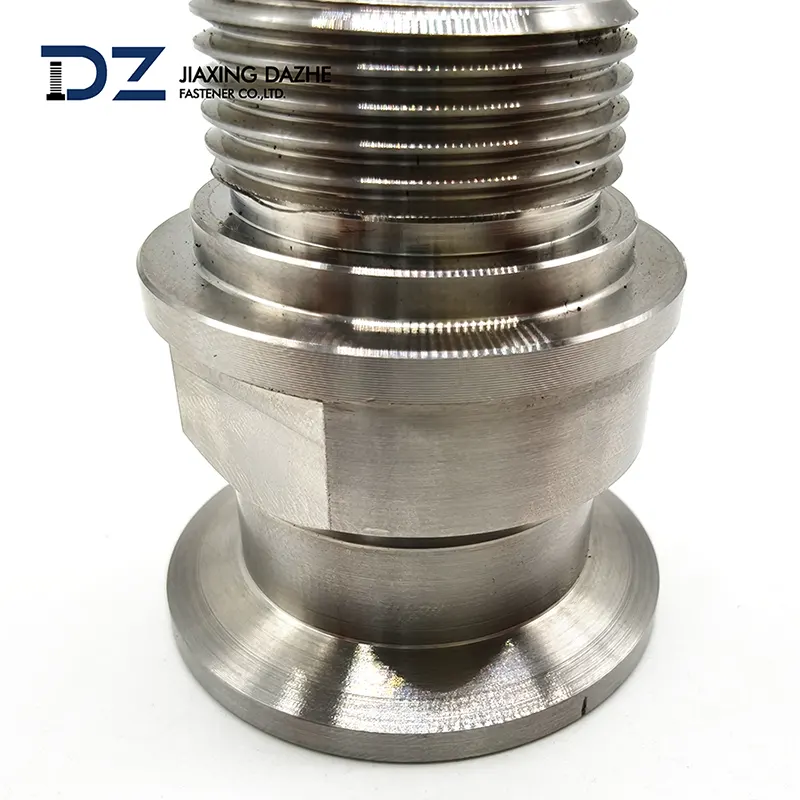
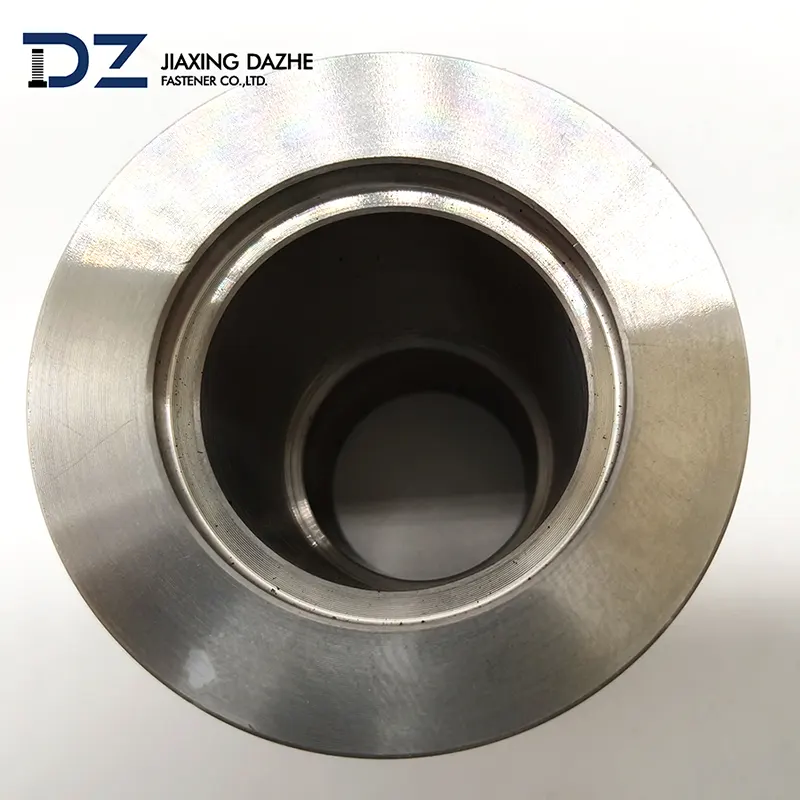
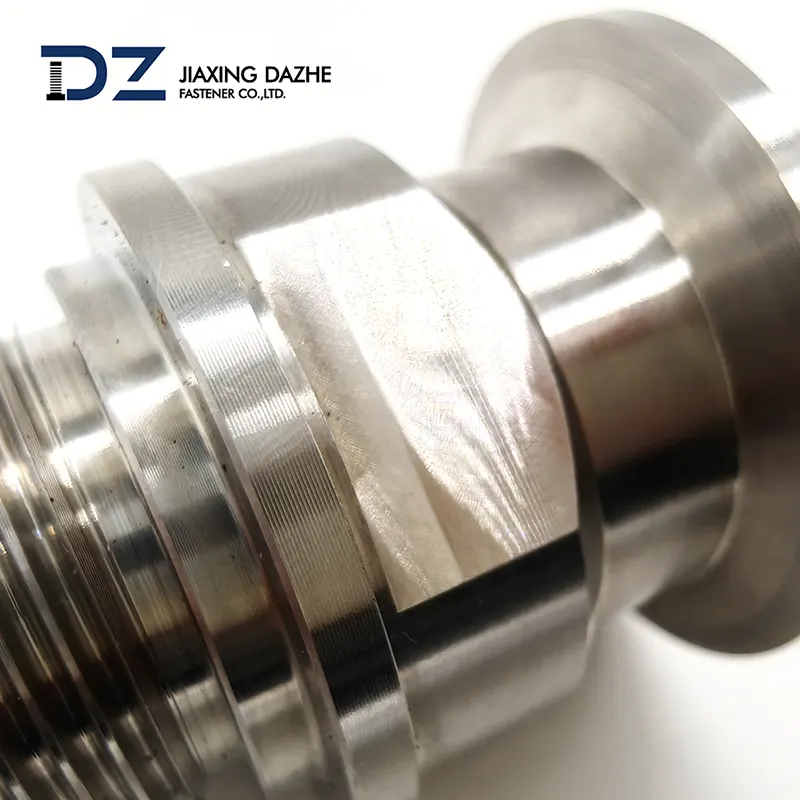
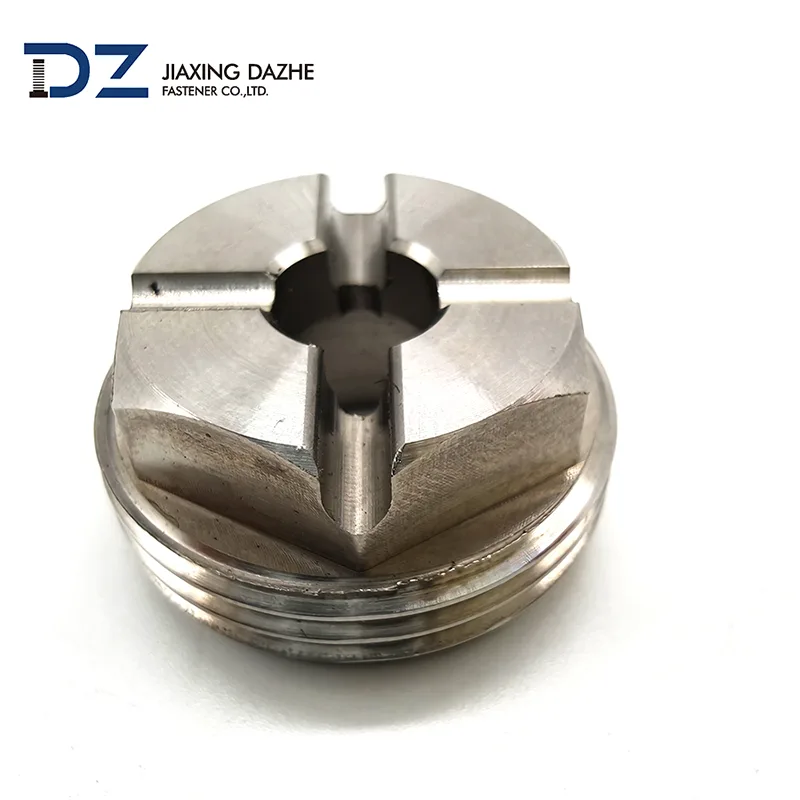
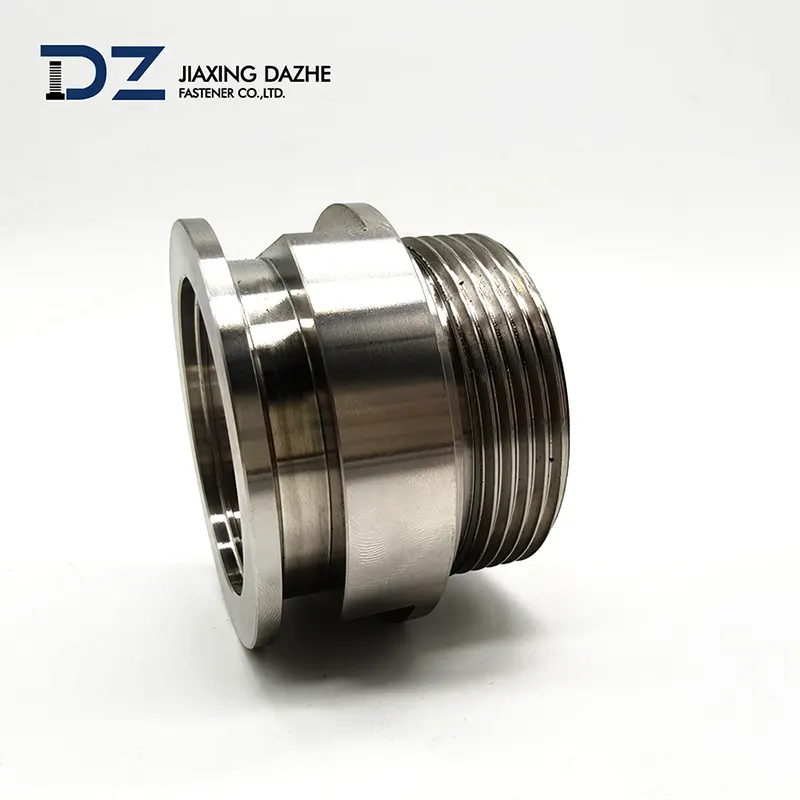
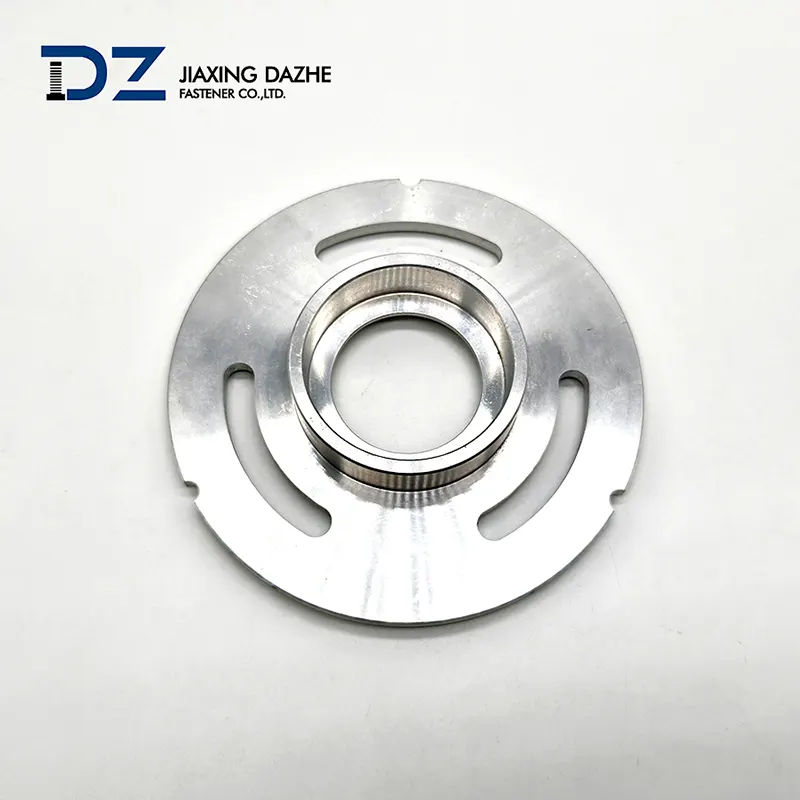
3-axis CNC machining is suitable for parts mainly composed of planes, holes, slots, steps, and simple contours. Typical applications include:
Automotive parts: Brackets, housings, engine accessories, brake components, interior structural parts.
3C & electronic products: Aluminum alloy shells, heat sinks, mobile phone structural parts, connector components.
General machinery: Flanges, bases, covers, bushes, spacers, mechanical transmission parts.
Mold & tooling: Simple mold inserts, mold bases, jigs, fixtures, checking fixtures.
Aerospace & medical devices: Lightweight structural parts, brackets, and non-complex components made of aluminum alloy or titanium alloy.
Automation equipment: Custom mechanical parts, panels, frames, and standard components for production lines.
Fixture & prototype parts: Rapid prototyping, small-batch customized parts, and testing samples.
Advantages of 3-Axis CNC Machining
1.Lower equipment investment & cost-effective
Compared with 4-axis and 5-axis CNC machines, 3-axis machines have lower purchase cost, simpler maintenance, and faster return on investment.
2.Simpler programming & operation
The machining logic is intuitive, the process is mature, and the programming difficulty is low. It is easier for operators to master and less prone to errors.
3.High efficiency for planar parts
Ideal for high-efficiency mass production of flat and regular parts. Tool paths are short, idle travel is minimized, and continuous production is stable.
4.Stable machining accuracy
Consistently achieves high dimensional accuracy and excellent surface finish to meet most general industrial requirements.
5.Wide material compatibility
Capable of machining various metals (aluminum, steel, stainless steel, brass) and non-metals (engineering plastics, PEEK, ABS, nylon, composites).
6.Strong flexibility for small-batch & custom production
Quick changeover between jobs, no complex fixtures required. Suitable for rapid prototyping, small-batch trial production, and customized parts.
7.High reliability & low failure rate
Simple mechanical structure, stable performance, and suitability for long-hour unattended automated machining.
8.Shorter lead time
Faster programming, setup, and machining cycle, effectively shortening delivery time for standard parts
Hot Tags: 3-Axis CNC Machining Service
Related Categories
Send Inquiry
Please feel free to fill your inquiry in the form below. We will reply you in 24 hours.

X
We use cookies to offer you a better browsing experience, analyze site traffic and personalize content. By using this site, you agree to our use of cookies.
Privacy Policy