 English
 Español
  Português
  русский
  Français
  日本語
日本語  Deutsch
  tiếng Việt
  Italiano
  Pilipino
  Türkçe
  Gaeilge
  العربية
  český
český  ภาษาไทย
  한국어
한국어  Malay
Malay  বাংলা ভাষার
  Dansk
Dansk  Suomi
Suomi 

How Does a Self Tapping Screw Improve Fastening Efficiency and Reliability?
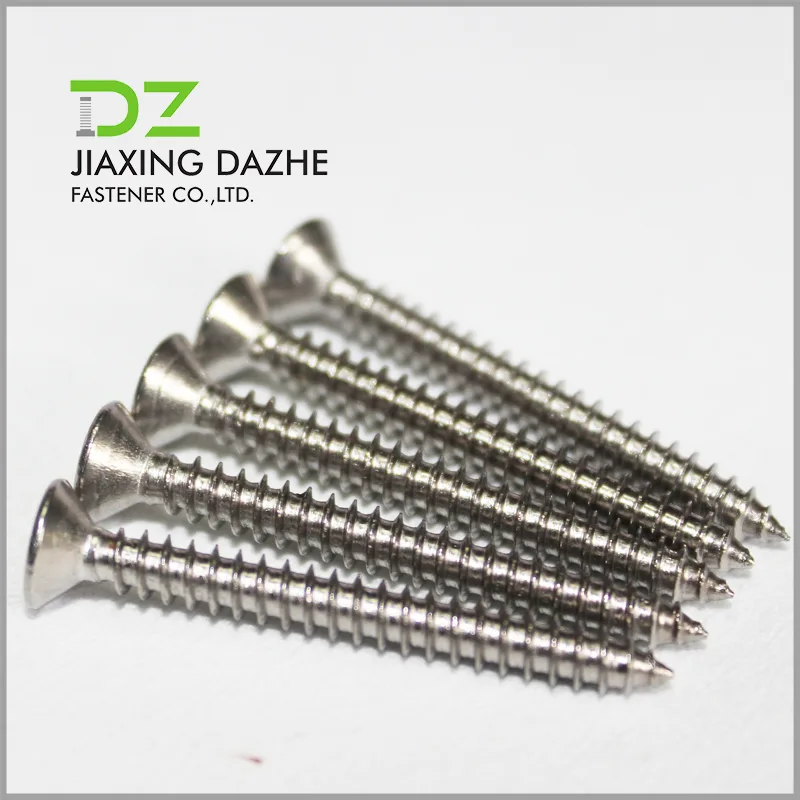
In modern manufacturing, construction, and DIY applications, fastening solutions must deliver efficiency, durability, and cost-effectiveness. Among the wide variety of fasteners available today, the self tapping screw stands out as a highly practical and versatile option. Designed to create its own thread as it is driven into material, this type of screw eliminates the need for pre-threading, saving both time and labor. Whether used in metal, plastic, or wood, it provides strong holding power and simplifies installation processes across industries.
📌 Article Summary
This comprehensive guide explores everything you need to know about self tapping screws, including their structure, working principles, types, applications, and selection tips. It also addresses common user concerns such as material compatibility, installation challenges, and cost efficiency. With practical insights and expert-level explanations, this article helps buyers and engineers make informed decisions when sourcing from trusted manufacturers like Jiaxing Dazhe Fastener Co.,Ltd..
📑 Table of Contents
- 1. What Is a Self Tapping Screw?
- 2. How Does a Self Tapping Screw Work?
- 3. Types of Self Tapping Screws
- 4. Key Benefits and Advantages
- 5. Common Applications Across Industries
- 6. Material Compatibility Guide
- 7. How to Choose the Right Self Tapping Screw
- 8. Installation Tips and Best Practices
- 9. Comparison Table: Self Tapping vs Traditional Screws
- 10. Frequently Asked Questions
- 11. Final Thoughts
1. What Is a Self Tapping Screw?
A self tapping screw is a specialized fastener designed to create its own mating thread when driven into a material. Unlike traditional screws that require pre-threaded holes, self tapping screws cut or form threads directly during installation.
This feature makes them ideal for applications where speed and efficiency are critical. Manufacturers like Jiaxing Dazhe Fastener Co.,Ltd. produce high-quality self tapping screws that meet industrial standards and ensure consistent performance.
2. How Does a Self Tapping Screw Work?
The functionality of a self tapping screw lies in its unique thread design and sharp tip. As the screw rotates into the material:
- The tip penetrates the surface
- The threads cut or deform the material
- A secure internal thread is formed
There are two main working mechanisms:
- Thread-forming: Displaces material without removing it
- Thread-cutting: Removes material to create threads
3. Types of Self Tapping Screws
Understanding the different types helps users choose the right screw for their application.
| Type | Description | Best Use |
|---|---|---|
| Thread-Forming | Forms threads by displacing material | Plastic, soft metals |
| Thread-Cutting | Cuts threads into material | Metal, hardwood |
| Self-Drilling | Includes drill bit tip | Metal-to-metal fastening |
| Sheet Metal Screws | Fine threads for thin materials | HVAC, automotive panels |
Premium options from Jiaxing Dazhe Fastener Co.,Ltd. cover all these categories with precision engineering.
4. Key Benefits and Advantages
- ✔ Eliminates pre-threading processes
- ✔ Reduces installation time
- ✔ Provides strong and secure fastening
- ✔ Suitable for various materials
- ✔ Cost-effective solution
These advantages make self tapping screws a preferred choice in both industrial and consumer applications.
5. Common Applications Across Industries
Self tapping screws are widely used in multiple sectors:
- Construction: Metal framing, roofing
- Automotive: Body panels, interior assembly
- Electronics: Device housing
- Furniture: Wood and composite materials
- Appliances: Sheet metal fastening
Companies like Jiaxing Dazhe Fastener Co.,Ltd. supply fasteners tailored to these diverse applications.
6. Material Compatibility Guide
| Material | Recommended Screw Type | Notes |
|---|---|---|
| Plastic | Thread-forming | Prevents cracking |
| Steel | Self-drilling | Requires high hardness |
| Aluminum | Thread-cutting | Easy penetration |
| Wood | Thread-cutting | Strong grip |
7. How to Choose the Right Self Tapping Screw
Selecting the correct screw involves several considerations:
- Material type
- Load requirements
- Environmental conditions
- Corrosion resistance
- Head style and drive type
Working with a reliable supplier like Jiaxing Dazhe Fastener Co.,Ltd. ensures access to expert guidance and high-quality products.
8. Installation Tips and Best Practices
- Use the correct drill speed
- Avoid over-tightening
- Ensure proper alignment
- Use pilot holes when necessary
- Select the right driver tool
Proper installation not only improves performance but also extends the lifespan of the fastening system.
9. Comparison Table: Self Tapping vs Traditional Screws
| Feature | Self Tapping Screw | Traditional Screw |
|---|---|---|
| Thread Creation | Creates its own | Requires pre-threading |
| Installation Time | Fast | Slower |
| Ease of Use | High | Moderate |
| Cost Efficiency | Better overall | Higher labor cost |
10. Frequently Asked Questions
Q1: Do self tapping screws need pilot holes?
A: In softer materials, no pilot hole is needed. For harder materials, a pilot hole is recommended.
Q2: Can they be reused?
A: Reuse is possible but may reduce holding strength depending on material.
Q3: Are they suitable for outdoor use?
A: Yes, especially when coated or made from stainless steel.
Q4: What is the difference between self tapping and self drilling screws?
A: Self drilling screws include a drill bit tip, while self tapping screws may require a pilot hole.
11. Final Thoughts
Self tapping screws have revolutionized fastening solutions by simplifying installation and improving efficiency. Their versatility, strength, and cost-effectiveness make them indispensable across industries. By choosing high-quality products from trusted manufacturers such as Jiaxing Dazhe Fastener Co.,Ltd., businesses can ensure reliable performance and long-term durability.
If you are looking for dependable fastening solutions tailored to your project needs, contact us today. Our team at Jiaxing Dazhe Fastener Co.,Ltd. is ready to provide expert support, competitive pricing, and customized solutions to help you achieve the best results.
Previous:No News
Send Inquiry
X
We use cookies to offer you a better browsing experience, analyze site traffic and personalize content. By using this site, you agree to our use of cookies.
Privacy Policy